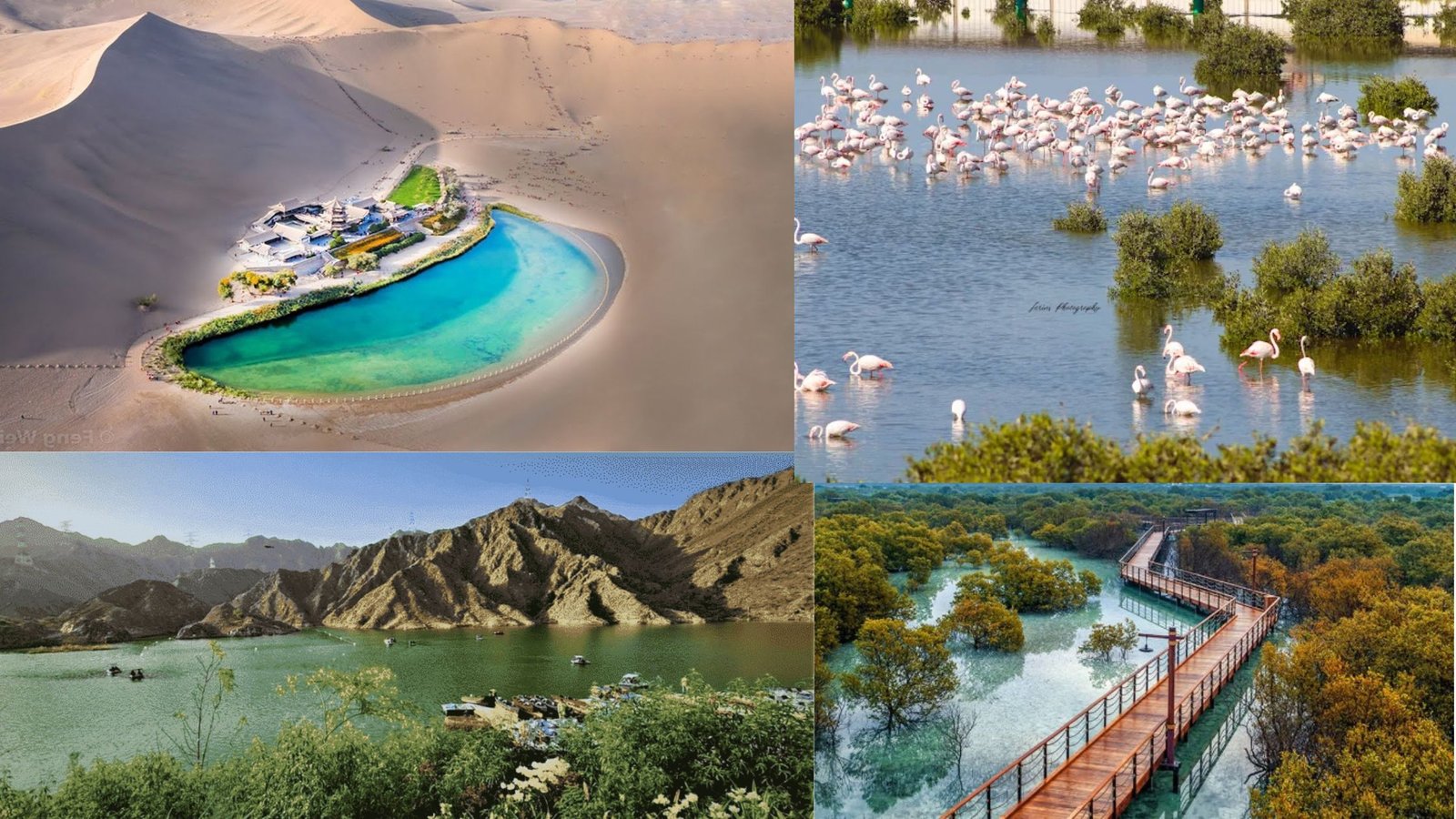
Beyond the towering skyscrapers and glittering malls lies a side of Dubai that few tourists—and even some locals—ever get to experience. Hidden in quiet alleyways, tucked behind unassuming facades, or nestled within the desert’s golden folds are spots that tell a completely different story about the city—one filled with charm, character, and a touch of mystery.
In this post, we’re taking you off the beaten path to uncover the real hidden gems in Dubai. Whether you’re a curious traveler, an adventurous foodie, or a resident looking for something new, these lesser-known places will make you fall in love with Dubai all over again
Hidden Gems in Dubai and UAE
1. Jubail Mangrove Park
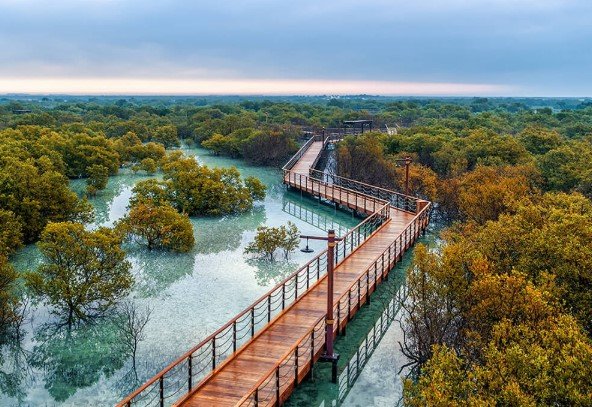
Jubail Mangrove Park is the first self-contained educational, nature and leisure destination of its kind in the Emirate of Abu Dhabi, and it’s teaching us something we’d almost forgotten—that resilience grows in the spaces between.
What Makes It a Gem: This isn’t just another boardwalk through pretty scenery. Mangroves rank among the most resilient ecosystems on Earth, thriving where few other life forms can survive, in that delicate dance between salt and fresh water. Here, on 2 kilometers of carefully constructed pathways, you witness nature’s quiet defiance—roots that filter, leaves that breathe, and waters that shelter dozens of species most visitors to the UAE never see. This sanctuary offers a haven for avian and marine species native to Abu Dhabi while serving as a living classroom about survival and adaptation.
Location: Al Jubail Island, positioned strategically between Yas Island and Saadiyat Island in Abu Dhabi
Best Time to Visit: During high tide, Jubail Mangrove Park is transformed into a breathtaking landscape when the waters create mirror-like reflections of the sky. Early morning (7 AM) or late afternoon visits offer cooler temperatures and better wildlife spotting opportunities. The park operates daily from 7 AM to 9 PM.
Cost: Entry is AED 15 ( $4.08) for adults and AED10 ($2.72) for children over six, which includes access to all three boardwalk routes. Children 6 and under enter free. Kayaking experiences start from AED 89 ($24.23) for guided tours, with options for sunrise, sunset, and “night glow” adventures.
What to Expect: Three distinct boardwalk routes weaving through ancient mangrove channels, observation decks perfect for birdwatching, and the mesmerizing sight of intricate root systems that are essential for their survival in the challenging tidal zone. The experience changes dramatically with the tides—high tide brings kayaking opportunities and mystical reflections, while low tide reveals the architectural marvel of exposed root systems.
How to Get There: It takes about 25 minutes to drive from Abu Dhabi International Airport and less than half an hour from Yas Island. Free parking is available on-site. The most practical approach is by taxi or rental car, as public transport options are limited to this developing island.
Bonus Tip: Book your kayaking session for high tide if you want the full aquatic experience, but visit during low tide if you’re fascinated by marine biology—you’ll see the mangroves’ survival mechanisms in stunning detail. You need no prior experience to enjoy kayaking activities, making this accessible for curious beginners ready to paddle into something profound.
2. Al Zorah Nature Reserve
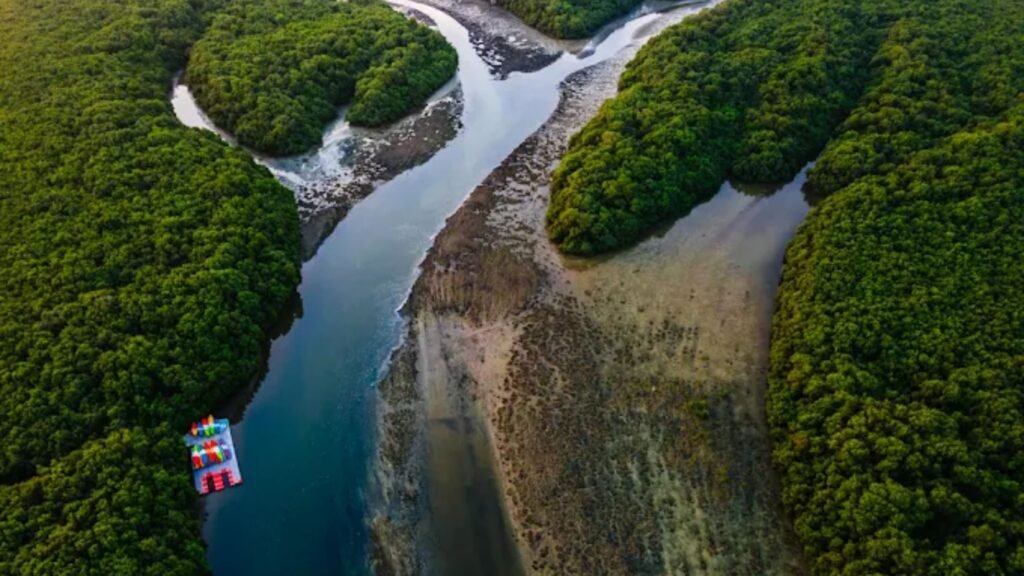
Al Zorah Nature Reserve is officially declared as a Wetland of International Importance by the Ramsar Convention, yet most people race past it on Sheikh Mohammed Bin Zayed Road, chasing shinier destinations that pale in comparison to this ecological masterpiece.
What Makes It a Gem: This isn’t just another pretty lagoon—it’s a living laboratory. Home to over 58 species of rare or migratory bird species, including resident flamingos, this 2-square-kilometer tidal creek pulses with life that most of the region has forgotten. The Avicennia marina mangroves here don’t just survive; they create entire worlds. Fish nurseries shelter in their roots, pink flamingos paint the waters, and egrets move like living poetry across the surface. What makes this place extraordinary is its role as both sanctuary and classroom—a space where conservation meets wonder.
Location: Al Zorah, northern border of Ajman and Sharjah, between Ajman city and Hamriyah. Located within the luxury Al Zorah development but the nature reserve remains publicly accessible.
Best Time to Visit: Early morning (sunrise) or golden hour for the most magical light and active birdwatching. Flamingo sightings are best during winter months (November to March) when migratory birds join the resident population. The reserve is accessible throughout the year, but avoid midday summer visits.
Cost: Entry to the nature reserve varies by operator, with guided kayak tours starting from 37.89 USD. Some areas may be accessible for free viewing, while guided eco-tours and kayaking experiences require booking. Equipment is provided for all water activities.
What to Expect: Turquoise lagoons that mirror the sky, thousands of flamingos creating living pink clouds on the water, and mangrove channels that feel like nature’s own cathedral. The experience changes with the tides—high tide offers kayaking through hidden waterways, while low tide reveals the intricate root systems and allows for closer wildlife observation. Photography opportunities are endless, from macro shots of mangrove details to wide landscapes of bird formations.
How to Get There: One hour drive north from Dubai via Sheikh Mohammed Bin Zayed Road (E311). Take Exit 278 toward Al Zorah. Free parking is available near the reserve. Taxi from Dubai International Airport takes approximately 45 minutes. No direct public transport, so private vehicle, taxi, or organized tour are your best options.
Bonus Tip: All tours are fully guided, no experience necessary and all equipment provided. Suitable for all abilities and ages 4+. Visit during weekdays for a more intimate experience with nature, and bring binoculars if you have them—the birdwatching here rivals any destination in the world.
3. Shees Park
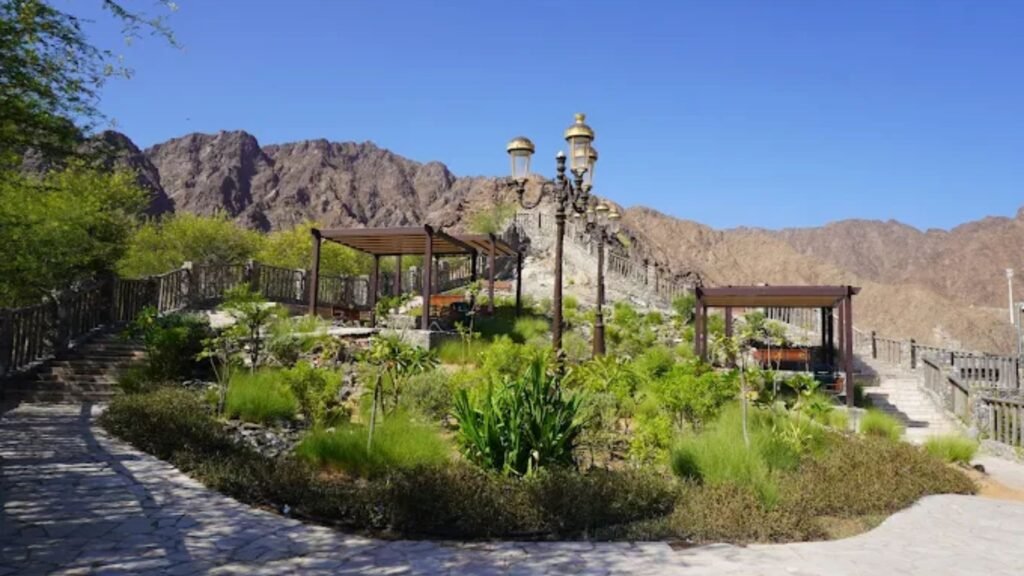
Shees Park sounds like something you’d drive past without a second thought, but that would be your mistake. Cradled in the arms of the Hajar Mountains, this 11,362-square-meter oasis proves that the best discoveries happen when we stop chasing obvious destinations and start listening to what the landscape has been trying to tell us all along. The park features a 25-metre-high artificial waterfall that cascades into tranquil waters, creating a symphony that drowns out every worry you carried from the city.
What Makes It a Gem: This isn’t just another family park—it’s a masterclass in how humans and nature can collaborate instead of compete. The park embraces tall mountains, and provides visitors and tourists a unique tourism experience to discover and enjoy the atmosphere of the mountainous regions. Three mountain terraces connected by stone stairs create a natural amphitheater where families gather, children discover wonder, and adults remember what peace feels like. The artificial waterfall doesn’t try to fool anyone—it celebrates the marriage of human creativity and natural beauty, flowing into a lake surrounded by carefully crafted stone paths that feel ancient and eternal.
Location: Wadi Shees, Khor Fakkan, Sharjah—nestled in the Hajar Mountains approximately 90 minutes’ drive from Dubai center
Best Time to Visit: The park operates from 8 AM to 11 PM daily, but golden hours transform this place into something magical. Early morning visits offer cooler mountain air and the waterfall catching first light, while late afternoon brings that perfect photography light that makes the mountains glow. Winter months (November to March) provide the most comfortable weather for exploring all three terraces.
Cost: Entry fees are typically minimal (around AED 5-10 ($1.36-$2.72)), making this accessible to families. The barbecue areas may have additional small fees for use. Most activities like hiking the mountain walkways and enjoying the waterfall views are included in entry.
What to Expect: A children’s play area, 32 shaded seating areas for families, an outdoor theater that can accommodate 70 people and a barbecue area. The centerpiece 25-meter waterfall creates a cool microclimate perfect for escaping desert heat. Stone pathways wind through the park, leading to elevated viewpoints that frame the surrounding mountains. Kids can run around, play catch, volleyball, hide and seek, cricket, baseball and more while breathing fresh mountain air that tastes like freedom.
How to Get There: Drive from Dubai via Emirates Road (E611) toward Khor Fakkan, then follow signs to Wadi Shees. The journey takes about 90 minutes through increasingly dramatic mountain scenery. Free parking available. Public transport is limited, so private vehicle or organized tour recommended. The drive itself becomes part of the adventure as you climb into the mountains.
Bonus Tip: Bring a picnic and claim one of the 32 shaded family areas early—this transforms a day trip into a celebration. The outdoor theater sometimes hosts local cultural events, so check ahead for special programming. The stone stairs to the upper terraces aren’t difficult, but they reward climbers with Instagram-worthy views that capture both waterfall and mountain panorama in single frames worth saving forever.
4. Hatta Dam
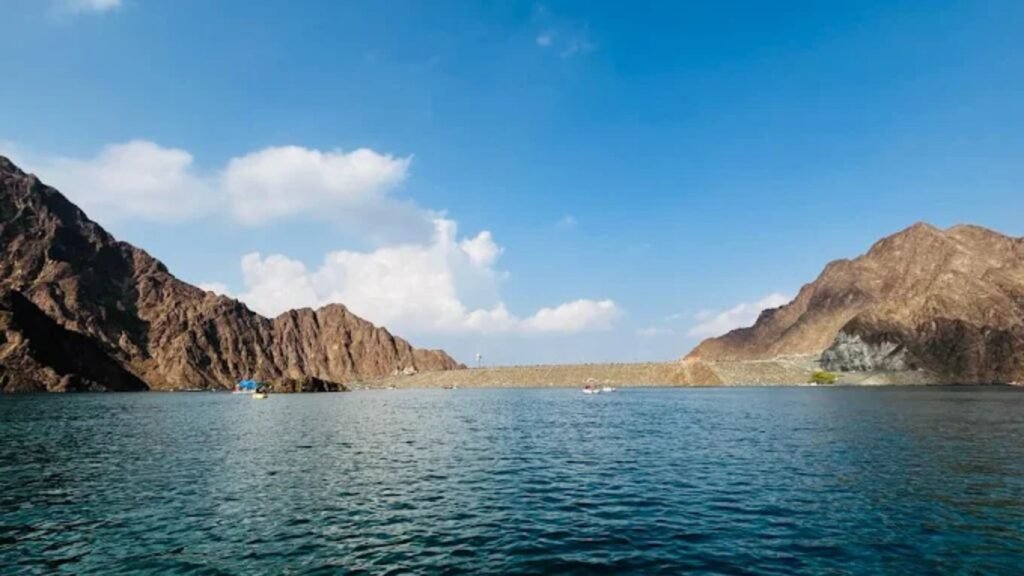
Just 90 minutes from Dubai’s relentless heartbeat, Hatta Dam holds secrets that most residents will never discover. “It’s a beautiful tranquil place where you can be close to the nature,” but that description barely captures what happens when you paddle across waters so green they look like liquid emeralds, surrounded by the ancient Hajar Mountains that have been keeping watch for millennia. Built in the late 1990s, this dam took two years to fill its reservoir, and in those patient years, it created something more valuable than water storage—it created wonder.
What Makes It a Gem: This isn’t just water management infrastructure—it’s accidental poetry. The dam creates a vast lake nestled between dramatic mountain walls, where the contrast between Dubai’s urban intensity and nature’s quiet power becomes visceral. The emerald waters of the Hatta Dam provide visitors scenic natural mountain sights, but more than that, they offer something increasingly rare: the opportunity to move at nature’s pace instead of the city’s demands. The mountains reflect in the water like ancient mirrors, and when you kayak here, you’re not just exercising—you’re participating in a meditation that Dubai forgot it needed.
Location: Hatta, Dubai—nestled in the Hajar Mountains approximately 90 minutes’ drive southeast from Dubai center, accessible via Hatta-Oman Road
Best Time to Visit: The best time to visit Hatta Dam is in the autumn months of September and October and spring months of February and March because the weather is pleasant and cool. Hatta Wadi Hub opening hours are: Oct 1st to May 5th from 8am – 7pm daily. Early morning offers the most serene kayaking experience before crowds arrive, while late afternoon provides dramatic lighting for photography.
Cost: Kayaking costs around 300-350 AED ($80 to $95). The ticket for kayaking and Yoga costs 249 AED ($67.79) per user. The price includes two hours of kayaking, Yoga, and breakfast. Entry to view the dam is typically free, but water activities require booking with various operators offering different packages.
What to Expect: Pristine turquoise waters that mirror towering mountains, kayaking experiences that range from gentle family paddles to more adventurous explorations, and hiking trails that reveal the area’s hidden valleys. You can enjoy the spectacular view at Hatta Dam and relax on the turquoise water fused with Alhajar Mountains using comfortable Kayaks. Swimming is not permitted as water levels can change rapidly, but kayaking and boating provide safe ways to experience this aquatic sanctuary.
How to Get There: Drive from Dubai via Emirates Road (E611) toward Hatta, then follow signs to Hatta Dam. The 90-minute journey becomes increasingly scenic as you enter mountain territory. Free parking available near the dam. Public transport is extremely limited, so private vehicle, rental car, or organized tour are essential. Make sure you come early to Kayak otherwise, you will have to wait in line for your turn.
Bonus Tip: It’s hard to believe that this place is only about 1.5 hours from Dubai. Such a contrast to the busy Dubai lifestyle. Book kayaking in advance during peak season, and consider combining your visit with other Hatta adventures like mountain biking or hiking. The journey itself becomes part of the experience as you trade skyscrapers for mountain peaks, watching Dubai’s urban grip gradually release you into something wilder and more honest.
5. Al Suhub Rest Area
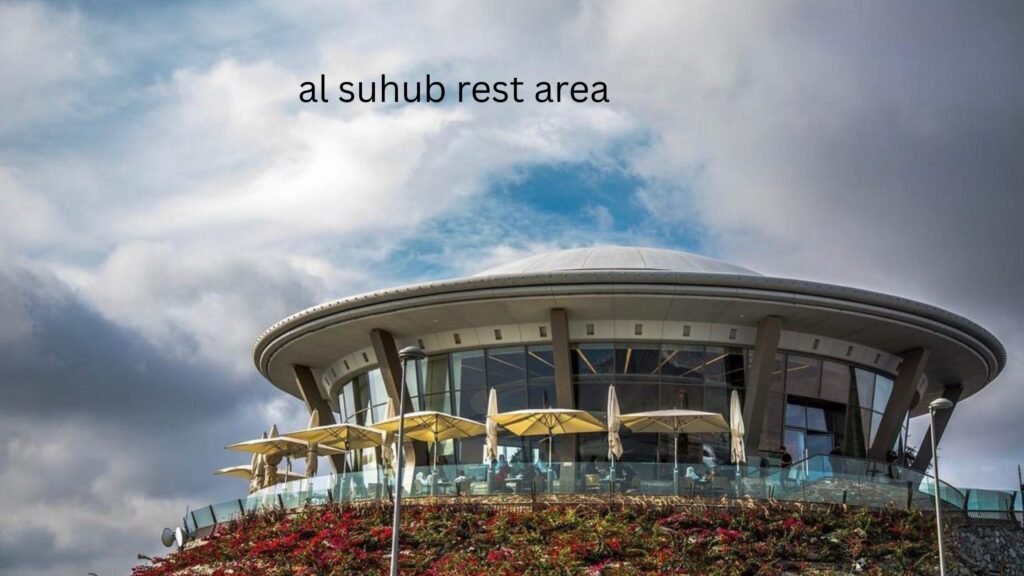
Al Suhub Rest House is a mountain side rest stop that lies 600 meters above sea level, offering panoramic views of Khorfakkan. It is a saucer shaped building located in the Khor Fakkan Mountains, and whoever designed this flying saucer perched on a mountaintop understood something profound about human longing. 583 metres above sea level, it was inaugurated by His Highness Dr. Sheikh Sultan bin Mohammad Al Qasimi, Ruler of Sharjah, in 2022. Some places make you feel small; this one makes you feel infinite, suspended between earth and sky in a way that redefines what “rest area” can mean.
What Makes It a Gem: The Al Suhub Rest House is a tourist attraction in Khor Fakkan, on the East Coast of the Emirate of Sharjah, United Arab Emirates. Located on top of mountains overlooking the city, and forming its highest point, the circular building offers panoramic views of Khor Fakkan and the Gulf of Oman. But statistics can’t capture the feeling of standing inside a UFO-shaped observatory where the flying saucer-shaped mountain viewpoint, located almost 600 metres above sea level, has been designed to offer a 360-degree experience over the mountainous city. This isn’t just a viewpoint—it’s a meditation on perspective itself, where the Hajar Mountains roll away like ancient prayers and the Gulf of Oman sparkles like scattered diamonds.
Location: Khor Fakkan, Sharjah—perched atop Al Suhub mountain, approximately 2 hours’ drive from Dubai via scenic mountain roads
Best Time to Visit: Early morning or late afternoon for the most dramatic lighting and comfortable temperatures. The journey up the 7-kilometer winding mountain road becomes part of the experience, so allow extra time to stop at viewpoints along the way. Avoid midday summer visits when temperatures can be extreme.
Cost: Entry to the rest area and viewing platform is typically free. The Cloud Lounge restaurant offers meals and refreshments at moderate prices. Parking is free, making this an accessible experience for families and budget-conscious travelers.
What to Expect: It offers a stunning view of the city and includes a two-floor flying saucer-shaped building, with a diameter of 30 metres. Al Suhub Rest Area is Hilltop hangout with a restaurant & play area for kids, plus panoramic views of the city & sea. The 360-degree observation deck provides unobstructed views of Khor Fakkan city, the Gulf of Oman, and the dramatic Hajar Mountains. The Cloud Lounge offers dining with a view, while children’s play areas ensure families can linger and absorb the mountain magic.
How to Get There: Drive from Dubai via Emirates Road toward Khor Fakkan, then follow mountain road signs to Al Suhub. The final 7-kilometer climb is steep but well-maintained. Free parking available at the summit. Public transport doesn’t reach this elevation—private vehicle or organized tour required. The winding mountain drive rewards every hairpin turn with increasingly spectacular views.
Bonus Tip: Along 7-km-long climb road there are multiple scenic stops perfect for photography—don’t rush the ascent. Visit on clear days for the best visibility, and bring layers as mountain temperatures can be 5-10 degrees cooler than sea level. The experience of being literally above the clouds on foggy days transforms this rest area into something ethereal and unforgettable.
6. Kalba Hanging Gardens
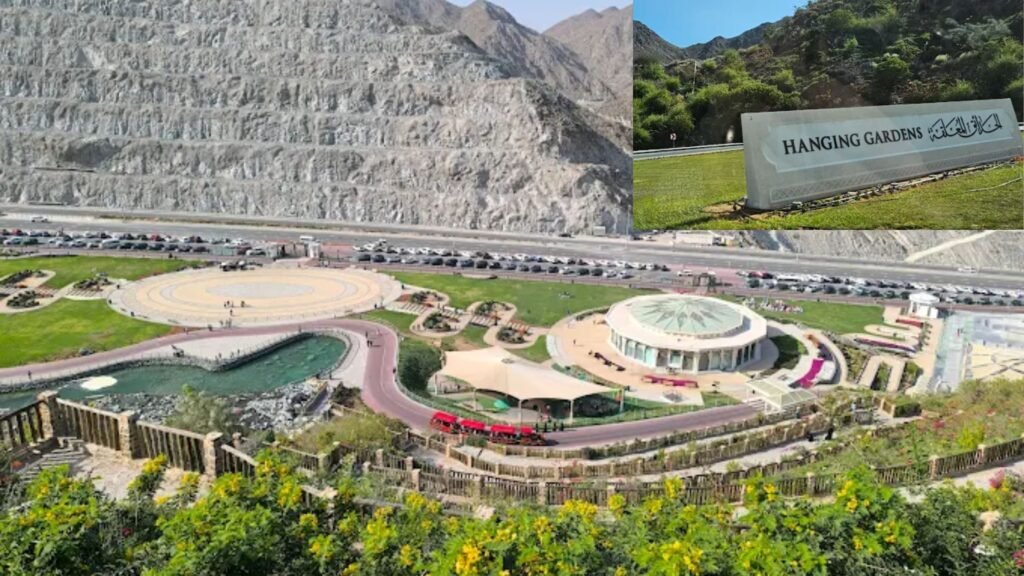
Some places earn their names through marketing. Others, like Kalba Hanging Gardens, earn them through magic. Sharjah’s latest attraction didn’t disappoint and offered all I was hoping for and more, because whoever designed this mountainside miracle understood something about human souls that most developers miss entirely. This isn’t just another theme park—it’s what happens when landscape architects dare to dream in three dimensions, creating terraced gardens that cascade down a mountainside like nature’s own amphitheater, crowned by a waterfall that sounds like applause for the earth itself.
What Makes It a Gem: Lush green spaces, stunning waterfalls, and adventure trails. Perfect for nature lovers, families, and thrill-seekers—but that clinical description misses the point entirely. What makes this place extraordinary is how it challenges the desert’s monopoly on beauty. The massive park features terraced gardens that climb the mountainside in deliberate defiance of gravity, connected by walking trails that reveal new perspectives at every turn. The massive park has a train, which can carry 55 people and has a length of 820m, passing through 4 stations, transforming a simple garden visit into an elevated journey through engineered wonder.
Location: Conveniently located along the Sharjah to Kalba road, before the Al Hayer Tunnel—approximately 90 minutes from Dubai center, nestled in the Hajar Mountains
Best Time to Visit: The garden is open from 9:00 AM to 9:00 PM Sunday through Thursday. On weekends, from Friday to Saturday, the garden extends its hours, staying open until 11:00 PM. Early morning visits offer cooler temperatures and the waterfall catching first light, while evening visits provide dramatic mountain lighting and comfortable temperatures for families.
Cost: Don’t worry about the Sharjah Hanging Gardens ticket price—entry is free! However, at the Hanging Gardens, the parking fee is Dh10 ($2.72) per hour due to new paid parking regulations introduced in February 2025. Dining at the semi-circular restaurant involves additional costs but offers exceptional quality with full garden views.
What to Expect: Terraced gardens that climb mountainsides like green staircases, a stunning waterfall that creates its own microclimate, adventure trails for the bold, skate parks for the young, and family picnic areas for the wise. The garden’s dining area is semi-circular. It lets you have a full view of the garden, while the 820-meter train journey connects four stations, each offering different perspectives on this engineered Eden.
How to Get There: Drive from Dubai via Emirates Road toward Sharjah, then follow the Sharjah-Kalba road. There are 262 spaces in an upper and lower setting, as well as disabled parking facilities and electric vehicle charging stations. The journey takes about 90 minutes through increasingly dramatic mountain scenery. Public transport is limited—private vehicle recommended.
Bonus Tip: The gardens are designed to be wheelchair accessible with sloping paths and facilities, making this wonder available to everyone. Visit during weekdays for a more intimate experience with the terraced gardens, and don’t miss the train journey—it transforms simple sightseeing into an elevated adventure that reveals the garden’s grand design from perspectives you can’t get on foot.
7. TeamLab Phenomena Abu Dhabi
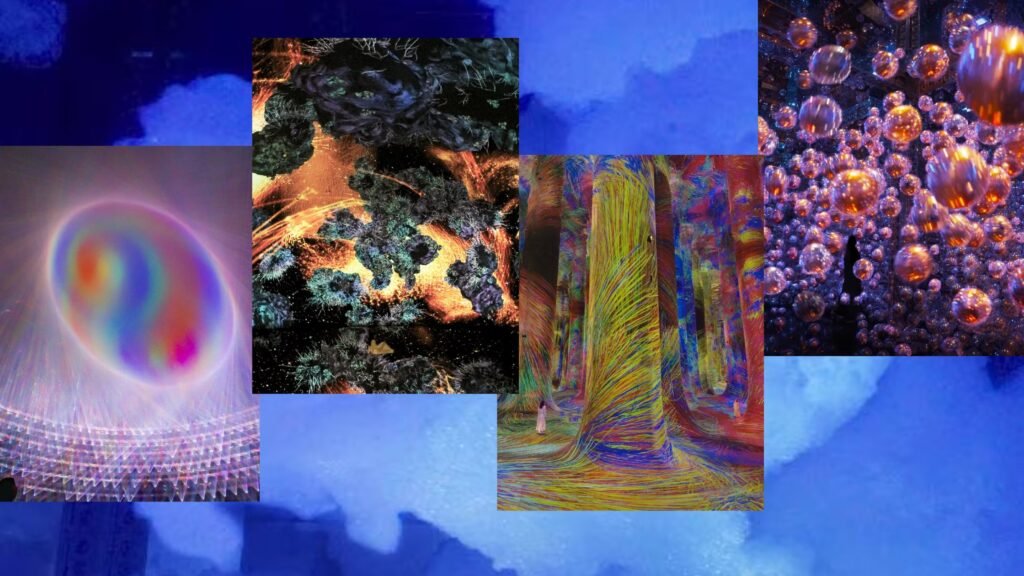
teamLab Phenomena blends art, science, and technology in an evolving space where 25 immersive digital works respond to your every movement—think of it as stepping inside a living, breathing dream that someone else is dreaming with you.
What Makes It a Gem: This 17,000 square meter purpose-built facility is designed to expand consciousness and offer a new perspective on the world around us. Unlike traditional museums where you observe from a distance, here you become part of the artwork itself. Visitors describe “running through glowing forests, watching artworks react to their movement, and even creating their own visuals that became part of the exhibits.” It’s art that lives and breathes with you.
Location: Saadiyat Cultural District, Abu Dhabi (approximately 1.5 hours drive from Dubai)
Best Time to Visit: Weekday evenings for smaller crowds, or early morning for a more meditative experience
Cost: Tickets typically range from AED 95-150 ($25.86-$40.84) depending on age and package selected
What to Expect: Interactive exhibits that engage sight, sound, and touch for a multi-sensory experience, where digital media and natural elements merge to create immersive environments. Prepare to lose track of time as you wander through spaces that feel more like portals than rooms.
How to Get There: Drive via Sheikh Zayed Road to Abu Dhabi (1.5 hours), or take the hourly bus service from Dubai’s Ibn Battuta Metro Station. Taxi from Dubai costs approximately AED 300-400 ($81.68-$108.90).
Bonus Tip: Pro Tip: Visit during sunset hours when the interplay between the digital art and natural light creates an almost mystical atmosphere. Book your tickets in advance—this isn’t the kind of experience you want to miss due to sold-out sessions.
8. Khor Kalba Mangrove Centre
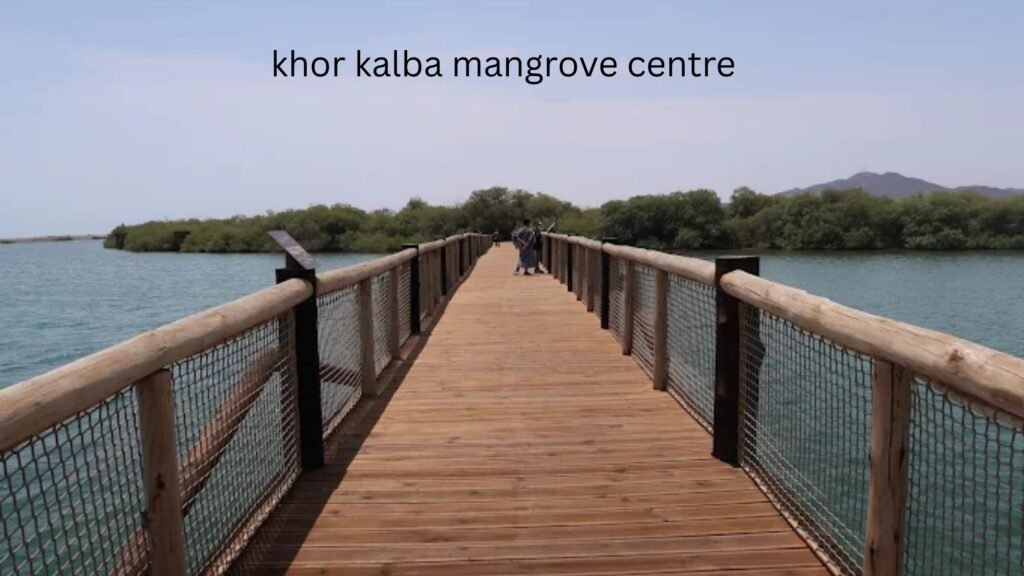
Khor Kalba houses the UAE’s oldest and largest mangrove forest, with trees reaching up to 8 meters tall—a living testament to endurance in a land often defined by rapid change.
What Makes It a Gem: This unique ecosystem sits in the middle of an ancient stand of mangroves, where sea turtles and the rare white-collared kingfisher live among trees that predate the UAE’s modern transformation. Unlike the manufactured landscapes elsewhere, this is raw nature at its most authentic—where you can observe crabs, sea cucumbers, starfish, and various crustaceans in their natural habitat, with turtle pools housing rescued sea turtles that remind you life finds a way to flourish in the most unexpected places.
Location: Kalba, Sharjah (East Coast, approximately 2 hours drive from Dubai)
Best Time to Visit: Early morning (opens 9am) or late afternoon for the best wildlife spotting; avoid Mondays when the center is closed
Cost: AED 15.50 ( $4.22) entry fee (2024), with optional kayaking experiences available at additional cost
What to Expect: A learning center, boardwalk tours through ancient mangroves with mountain and creek views, and opportunities to spot rare birds including the endangered Arabian collared kingfisher. Kayaking is available to explore the mangrove forests up close through the water channels.
How to Get There: Drive via E102 to Kalba (2 hours from Dubai), or join organized tours from Dubai. No direct public transport—rental car or tour bus recommended.
Bonus Tip: Pro Tip: Visit on weekdays when crowds are lighter, and bring binoculars for bird watching. The center offers educational programs—perfect for families wanting to understand the delicate balance of coastal ecosystems. Pair your visit with nearby Khorfakkan Beach for a complete east coast experience.
9. Al Rafisah Dam
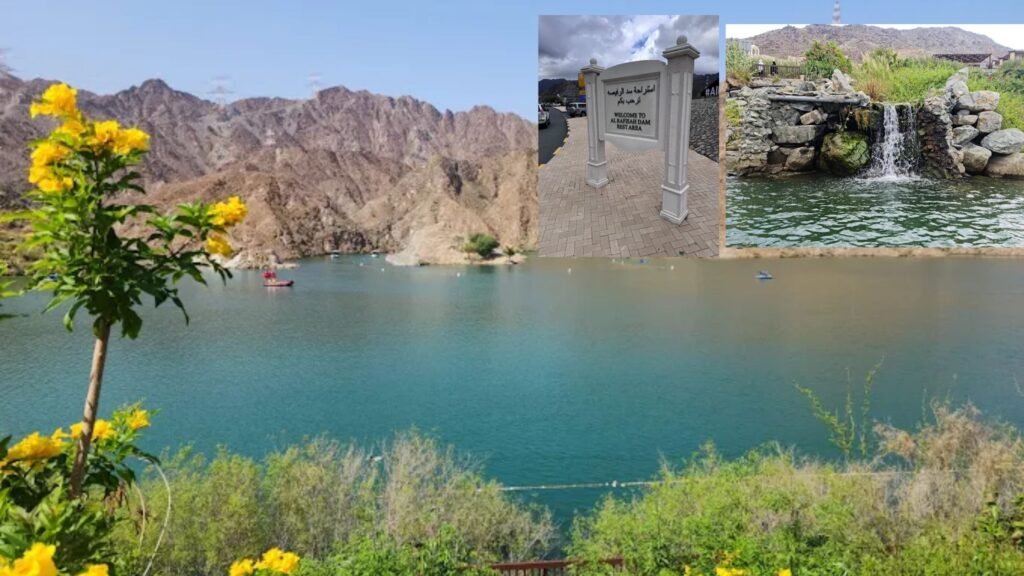
Al Rafisah Dam sits nestled in the Hajar Mountains, holding the seasonal waters of Wadi Shees—a place where ancient settlements once thrived and archaeological treasures still emerge from the earth, creating a unique convergence of human history and natural beauty.
What Makes It a Gem: Built originally in the 1980s, this isn’t just a reservoir—it’s a 10,684 square meter sanctuary where lush greenery surrounds cascading waterfalls that flow into blue reservoir waters. Migratory birds visit for winter or pass through on ancient flight paths, while the restored nearby fortress reminds you that this valley has been a refuge for generations. It’s where engineering meets ecology in the most harmonious way possible.
Location: Khor Fakkan, Sharjah (approximately 1.5-2 hours drive from Dubai via the new Sharjah-Khorfakkan highway)
Best Time to Visit: Open 24 hours daily, but early morning or late afternoon offer the best light for photography and cooler temperatures for activities
Cost: Free entry to the dam area, with separate charges for kayaking, pedal boating, and other water activities
What to Expect: Kayaking and pedal boating on the lake, opportunities to feed ducks while cruising, children’s play areas, a mosque, lakefront restaurant, and traditional handicraft shops. Wildlife spotting includes bees, butterflies, herons, and other aquatic birds, plus a few friendly resident cats who call this oasis home.
How to Get There: Drive via the new Sharjah-Khorfakkan highway (about 1.5-2 hours from Dubai). Parking available for 45 vehicles, though arriving early is recommended for weekend visits.
Bonus Tip: Pro Tip: Combine your visit with exploring the restored Wadi Shea Fortress nearby—the archaeological significance adds layers to your experience. Pack a picnic and plan to stay for sunset when the mountains reflect in the still waters, creating one of those moments that reminds you why some places feel sacred.
10. Love Lake
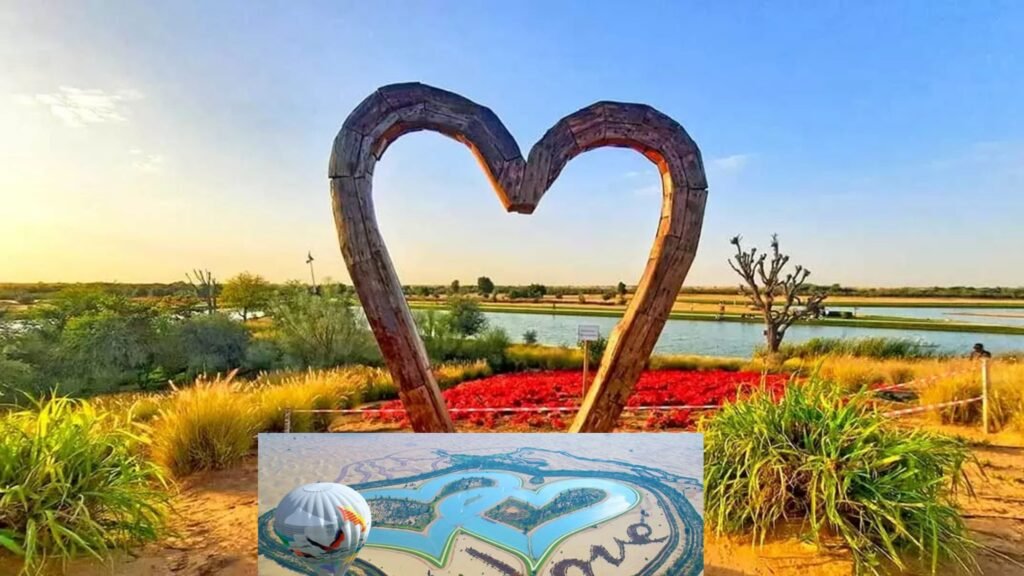
In a city known for engineering the impossible, sometimes the most surprising creations are the simplest ones. Love Lake sits in the Al Qudra oasis as a heart-shaped sanctuary carved from desert sand—a place where Dubai traded its signature glass and steel for something more elemental: water, earth, and the quiet spaces that let you remember what matters.
What Makes It a Gem: This artificial lake is the result of connecting two heart-shaped ponds, creating an oasis that feels both intentional and organic. Unlike Dubai’s famous attractions that overwhelm the senses, Love Lake whispers rather than shouts. It’s where flamingos migrate seasonally, where cyclists pause between desert routes, and where families discover that sometimes the most romantic gesture a city can make is simply creating space for stillness.
Location: Al Qudra Desert Conservation Reserve, coordinates 24.8352° N, 55.4034° E (approximately 30 minutes drive from central Dubai)
Best Time to Visit: Open 24 hours, 7 days a week, but early morning offers the best light for photography and potential flamingo sightings, while sunset creates magical reflections
Cost: Completely free entry, making it one of Dubai’s most accessible natural escapes
What to Expect: A relaxing place to walk and spend time, with many picnic areas to choose from, plus opportunities to spot migratory flamingos, cycling path connections to the larger Al Qudra network, and dog-friendly areas (leashed pets welcome). The heart shape is best appreciated from elevated viewpoints or drone photography.
How to Get There: Drive via Al Qudra Road (E77) from Dubai—no public transport available, so car rental or taxi recommended. Free parking available.
Bonus Tip: Pro Tip: If you’re planning to camp here, pack blankets and warm clothes for winter visits. Consider renting a bike to explore the broader Al Qudra cycle network—Love Lake becomes a perfect rest stop in a larger desert adventure that reminds you Dubai’s beauty isn’t just vertical.
11. Riverland Dubai

Riverland isn’t just another themed destination—it’s Dubai’s attempt to create something rarer than luxury: a place where stories from different worlds converge along a single waterway, inviting you to wander between centuries without ever leaving the present.
What Makes It a Gem: Four vibrant districts—The French Village, Boardwalk, India Gate, and The Peninsula—make up this dining, retail and entertainment destination, each one a carefully crafted world unto itself. What makes this special isn’t the theming alone, but how it serves as the gateway to Dubai Parks and Resorts while standing as its own destination. You’ll find the world’s largest LED sculpture of a mammal—a record-breaking camel that comes alive with thousands of twinkling lights at sunset, creating moments that feel both whimsical and profound.
Location: Dubai Parks and Resorts, Sheikh Zayed Road, Jebel Ali (approximately 30 minutes from central Dubai)
Best Time to Visit: Open daily from 10 AM to 11 PM (some sources indicate 4 PM to 12 AM weekdays, 4 PM to 1 AM weekends), but visit during sunset to witness the LED camel spectacle at its most magical
Cost: Completely free entry, with free parking often available (though individual attractions within may have separate costs)
What to Expect: JumpX adventures, vibrant dining, and retail across four themed districts, plus immersive shows like prehistoric dinosaur experiences and street performances. Walking along the bridge offers scenic beauty and views of recreated factory buildings, perfect for both leisure strolls and getting your daily steps in.
How to Get There: Drive via Sheikh Zayed Road to Dubai Parks and Resorts exit, or take RTA buses 103 or F55A from various Dubai locations. Free parking typically available.
Bonus Tip: Pro Tip: The parades happen at exactly 8pm—time your visit to catch both the parade and the LED camel lighting ceremony at sunset. Since entry is free, this makes for an perfect evening out that won’t break the bank, especially if you’re exploring on a budget.
12. Al Noor Island
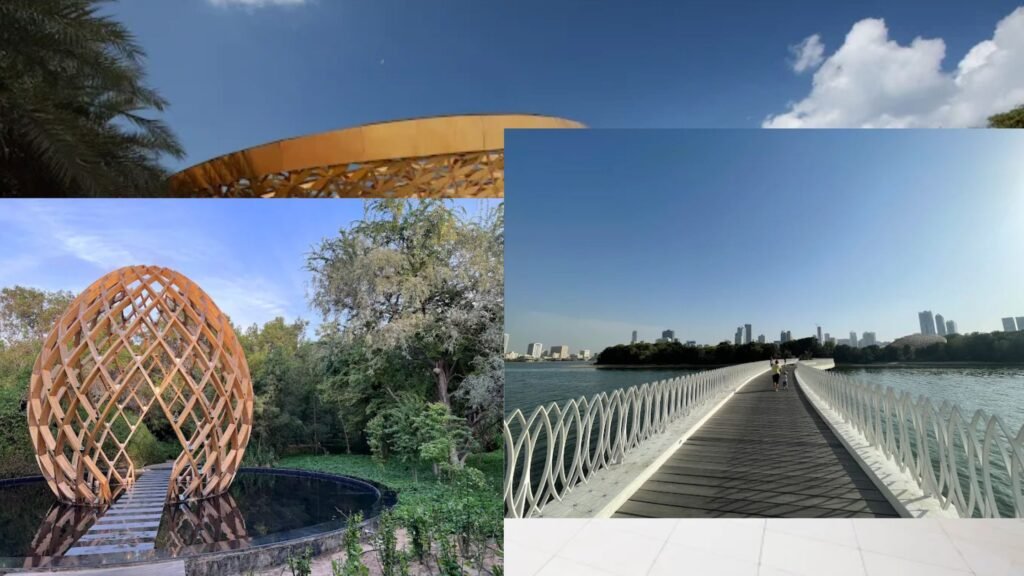
Sometimes transformation happens not when you build something entirely new, but when you take something forgotten and help it remember what it was always meant to be. Al Noor Island began as “a barren wasteland” and became “a microcosm of modern vision and Arabic inspirations” where “wild grasslands, art installations and butterflies” create Sharjah’s secret urban hideaway that induces wonder in ways that feel both intentional and magical.
What Makes It a Gem: This isn’t just another themed attraction—it’s where “a 3.5 km long Broadwalk and a stretch of white lights installed in the gardens bring the island to life during the night time.” The famous Butterfly House showcases “butterflies of various colors” where education coordinators share “the extraordinary transformation of a fluffy caterpillar into a mysterious chrysalis and majestic butterfly.” Combined with powerful telescopes and in-house astronomy experts, it becomes a place where the very small and the infinitely large converge.
Location: Khalid Lagoon, Sharjah (approximately 20-30 minutes drive from Dubai)
Best Time to Visit: Open 9 AM – 11 PM daily, with sunset visits offering the most magical experience as the light installations come alive
Cost: AED 35 ($9.53) for adults, AED 20 ($5.45) for children (2-13 years); Butterfly House is AED 15 for adults, AED 10 ($2.72)for children
What to Expect: Contemporary art and sculpture displays, a boardwalk through tropical botanical gardens, the architecturally stunning Butterfly House with “uniquely shaped steel glistening in the sunlight,” Noor Café for dining by “tranquil lagoon waters, whilst taking in the incredible Sharjah cityscape,” and “an impressive light show” that makes the surroundings “shimmer and glow in various hues.”
How to Get There: Drive to Khalid Lagoon area in Sharjah, or take taxi from Dubai (approximately AED 80-120 ($21.78-$32.67)). Limited public transport options available.
Bonus Tip: Pro Tip: Visit “as the sun rises over Al Noor Island” for a quieter, more contemplative experience, or stay until evening to witness the transformation when the light installations create an entirely different world. The astronomy sessions offer a perfect way to end your visit by looking up at the stars.
13. Al Ain Oasis
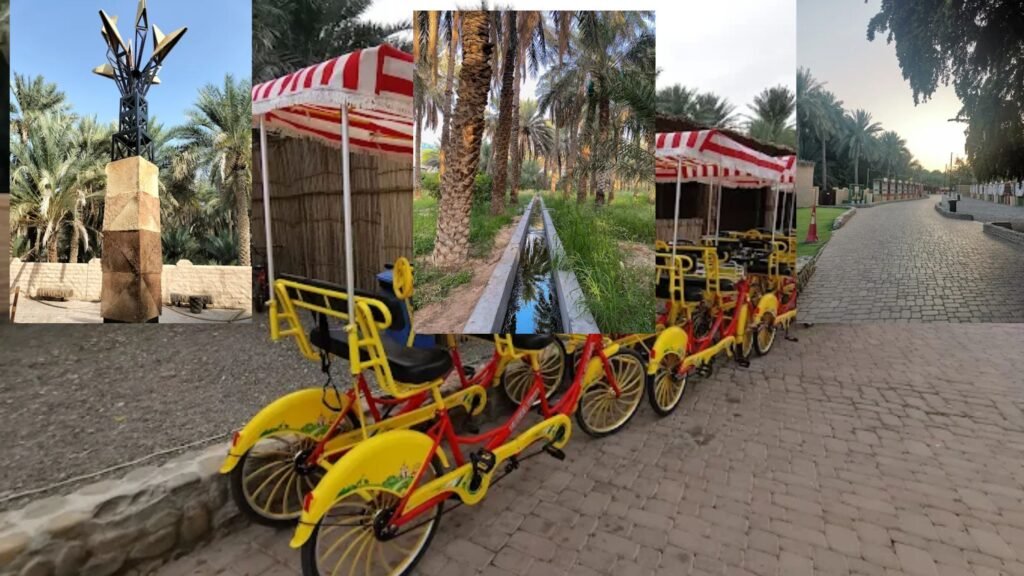
There’s something humbling about walking beneath palm trees that have been sustained by “3,000-year-old channels, created by the Bedouins” who understood what we’re only beginning to remember: that true sustainability isn’t just about technology, but about working with the desert rather than against it. Al Ain Oasis stands as “a way of life that dates back 4000 years”—a living classroom where ancient ingenuity still nourishes the present.
What Makes It a Gem: “Spread over 1,200 hectares (nearly 3,000 acres) and containing more than 147,000 date palms of up to 100 different varieties”, this isn’t just preserved history—it’s “filled with palm plantations, many of which are still working farms.” The “two main falaj systems serving the oasis namely, Al Aini and Dawood” irrigate “two separate parts of the oasis” with “water sourced from the Hajar Mountains and Jebel Hafeet.” As “a UNESCO World Heritage site, it offers visitors a glimpse into the UAE’s traditional farming life” that continues to thrive today.
Location: Heart of Al Ain City, Abu Dhabi Emirate (approximately 1.5 hours drive from Dubai)
Best Time to Visit: Open daily from 9 AM to 7 PM, though winter months between October and March are ideal as “it would be tough to stroll around in the summer months” due to the open-air nature
Cost: Completely free entry—one of the region’s most accessible UNESCO World Heritage experiences
What to Expect: “Extensive pathways” offering “peaceful escape into nature”, the chance to “rent a bike, a tricycle or a quadricycle and roam around with the family among palm trees”, and educational experiences at the Eco-Centre. “Wander the leafy roads and paths past farms” with “a man-made stream flows through Al Ain” while discovering how this ancient irrigation system continues to sustain life in the desert.
How to Get There: Drive via E22 highway to Al Ain (1.5 hours from Dubai), or join organized day tours. Limited public transport—car rental recommended for flexibility.
Bonus Tip: Pro Tip: Visit on weekends “when events are often staged” for cultural programming, and combine your visit with nearby Al Ain Palace Museum for a complete historical journey. The oasis connects directly to the palace, making it easy to experience both in sequence.
14. Al Fahidi Historical Neighborhood
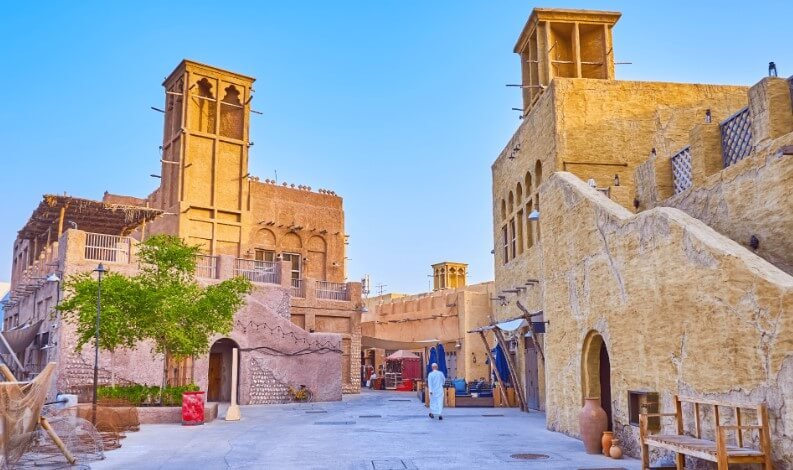
While Dubai races toward tomorrow with glass towers that pierce clouds, Al Fahidi sits quietly in the shadows, whispering stories of pearl divers and merchants who built their dreams from sand and sea. Most visitors rush past this labyrinth of narrow lanes, missing the very soul that gave birth to the metropolis they came to see.
What Makes It a Gem: This isn’t just old Dubai—it’s the beating heart of what Dubai was before it became what everyone thinks they know. The traditional wind towers (barjeel) still catch desert breezes the way they did centuries ago, cooling courtyards where families once gathered to share stories under stars unpolluted by neon. Here, art galleries nestle inside homes that housed pearl divers, and every weathered wall holds memories of a city that dared to dream beyond its desert borders.
Location: Bur Dubai, near the Dubai Creek, walking distance from Al Ghubaiba Metro Station
Best Time to Visit: Early morning (7-9 AM) when golden light filters through the alleyways, or late afternoon (4-6 PM) when shadows create natural galleries between the buildings
Cost: Free to wander the streets; museum entries range from AED 3-15 ($0.82-$4.08)
What to Expect: Maze-like alleyways that reward the curious, traditional architecture that teaches lessons about living with the desert, art galleries showcasing Emirati culture, the scent of frankincense drifting from heritage shops, and the kind of silence that makes you remember what peace sounds like
How to Get There: Take the Green Line to Al Ghubaiba Metro Station, then a 5-minute walk toward Dubai Creek. Follow signs to Al Fahidi Historical Neighborhood, or ask any local—they’ll point you toward “Old Dubai”
Bonus Tip: Visit during the Sikka Art Fair (usually in March) when contemporary art transforms ancient walls, creating a dialogue between Dubai’s past and its artistic future that you won’t find anywhere else in the city.
15. Jebel Jais
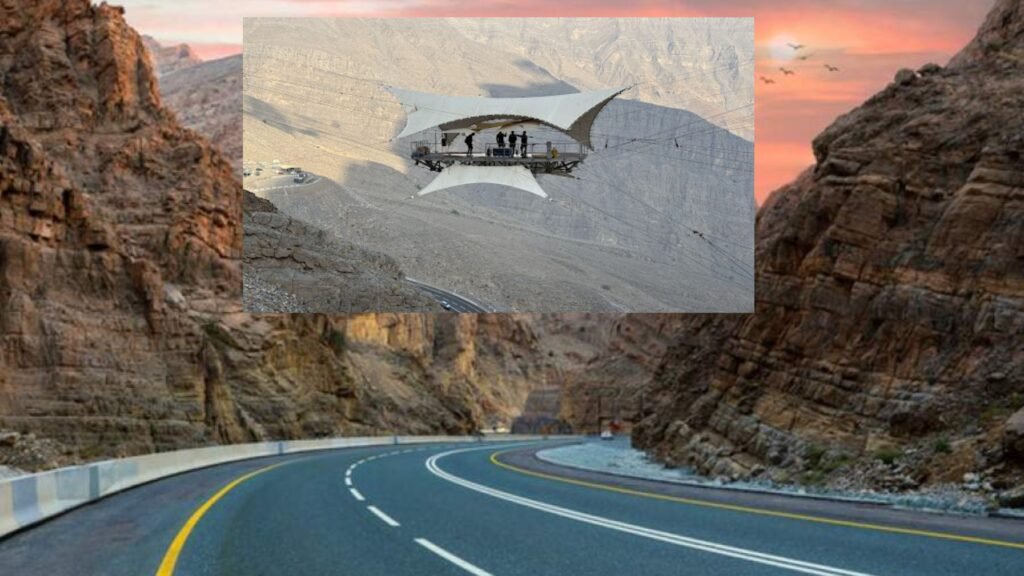
Sometimes you have to leave the city to find what the city was meant to give you all along. At 1,934 meters above sea level, Jebel Jais stands as the UAE’s highest peak, a place where the desert gives way to something ancient and eternal—mountains that have watched civilizations rise and fall while keeping their silent vigil over the Gulf. Most people come for the zipline, but the real magic happens when you simply sit still and remember what it feels like to be small in the best possible way.
What Makes It a Gem: This isn’t just about adrenaline, though the world’s longest zipline will send you soaring at speeds up to 160 km/h for three minutes that will redefine your relationship with gravity. Jebel Jais offers something Dubai’s skyline can’t—the profound quiet of stone and sky, where sunrise and sunset paint the Hajar Mountains in colors that no architect has ever imagined. Here, the earth itself becomes cathedral, and every breath reminds you that some things are bigger than the cities we build.
Location: Ras Al Khaimah, UAE (approximately 1.5-2 hours drive from Dubai)
Best Time to Visit: Early morning for sunrise (5:30-7:00 AM) or late afternoon for sunset (5:00-7:00 PM); avoid midday heat. October to April offers the most pleasant weather.
Cost: Mountain access is free; Jebel Jais Flight zipline tickets range from AED 360-450 ($97.01-$122.52) depending on season and day
What to Expect: Breathtaking panoramic views that stretch to the Arabian Gulf, the world’s longest zipline experience, hiking trails that lead to contemplation, mountain biking routes, and the kind of silence that makes you remember what your thoughts actually sound like without the city’s constant hum
How to Get There: Rent a car or book a tour from Dubai (no public transport). Take Sheikh Mohammed Bin Zayed Road (E311) north to Ras Al Khaimah, then follow signs to Jebel Jais. The winding mountain road itself becomes part of the journey.
Bonus Tip: Pack layers—it can be 10-15°C cooler at the summit than in Dubai. Arrive early to claim your spot at the viewing deck before the crowds, and bring a thermos of coffee to sip while watching the world wake up below you.
16. Buhais Geology Park
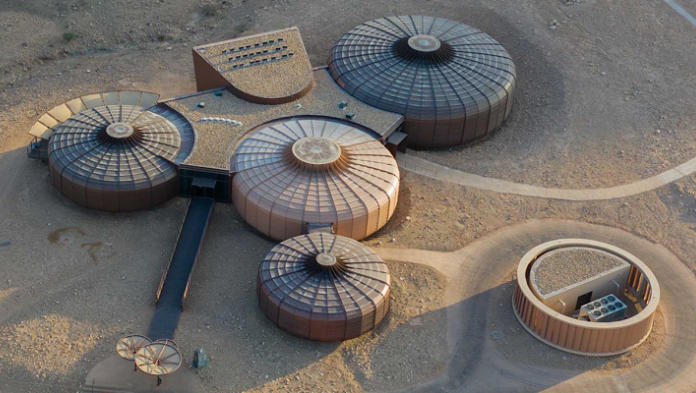
Most people rush through life never touching something 95 million years old, but here in the desert silence of Sharjah, you can place your hand on a stone that remembers when Arabia was underwater.
What Makes It a Gem: This isn’t just a park—it’s a portal to deep time, where fossils dating back millions of years tell the story of how mountains rose from seas and deserts bloomed from ocean floors. The architectural pods, inspired by ancient sea urchin fossils, rise from the landscape like contemporary monuments to geological patience. Here you can witness rare ophiolite formations—pieces of ancient ocean floor thrust up by tectonic forces—and understand that the mountains you see today once lay beneath primordial waves.
Location: Al Madam area, Sharjah Central Region (approximately 50km southeast of Sharjah city, 1-1.5 hours from Dubai)
Best Time to Visit: Early morning (8:00-10:00 AM) or late afternoon (4:00-6:00 PM) to avoid desert heat; October to April for optimal weather
Cost: Entry tickets around AED 25-35 ($6.81-$9.53) for adults; children often discounted. Guided tours available for additional fee.
What to Expect: Five fossil-inspired architectural pods housing immersive exhibitions, a paved outdoor trail through colorful rock formations, rare ophiolite formations with detailed explanations, buggy transport from ticket office to entrance, and the profound experience of touching stone that predates human civilization by millions of years
How to Get There: Drive via Sheikh Mohammed Bin Zayed Road (E311) toward Sharjah, take exit 30 and continue to the Jebel Ali-Lehbab Road (E77) toward Hatta/Oman, then follow signs to Al Madam and Buhais Geology Park
Bonus Tip: Don’t rush through the outdoor trail—each rock formation tells a chapter in Earth’s autobiography. Bring a geology-curious mindset and allow extra time for the immersive theater experience that contextualizes everything you’ll see outside.
17. Al Wasit Wetland Nature Reserve
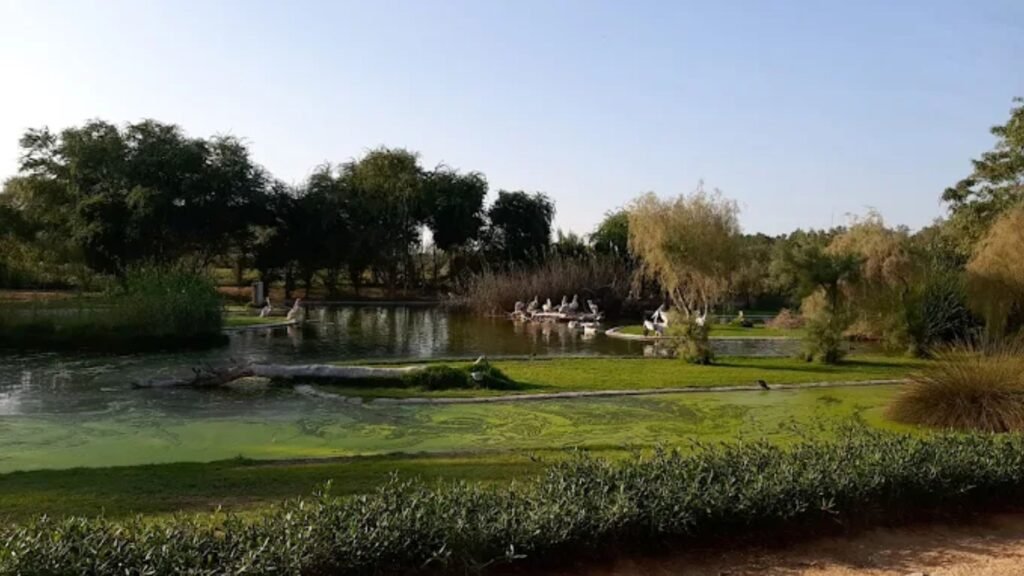
There’s something profoundly hopeful about a place that was once a garbage dump and now hosts over 350 species of birds who chose to call it home. The site of the Wasit Wetland Centre was once a garbage dump, so the centre’s establishment literally turned a wasteland into a wetland. Sometimes the most beautiful transformations happen when we stop trying to control nature and start learning to partner with it. Here, in the quiet spaces between Sharjah and Ajman, you discover that some of the world’s most meaningful conversations happen without words—between you and the ibises, the herons, and the ancient rhythm of wings against sky.
What Makes It a Gem: This isn’t just birdwatching—it’s witnessing resurrection. What makes Al Wasit extraordinary is its story: after years of efforts to bring the non-migratory birds back to the site, WNR is now home to 350 species of birds, a landing zone for 33,000 migrate birds. The award-winning architecture seamlessly blends into the landscape, creating spaces where human curiosity and natural wildness coexist. Eight bird hides equipped with binoculars become meditation chambers where patience reveals purple swamphens, white ibises, and the endangered Arabian oryx—each sighting a small miracle of conservation done right.
Location: Sharjah-Ajman border, approximately 45 minutes from Dubai via Emirates Road (E611)
Best Time to Visit: Early morning (7:00-9:00 AM) for peak bird activity, or late afternoon (4:00-6:00 PM) for golden hour photography. Migration seasons (October-November and March-April) offer the richest wildlife experiences.
Cost: Entry tickets approximately AED 15-25 ($4.08-$6.81) for adults, with discounts for children and students. Binocular rentals often included.
What to Expect: Over 200 bird species across varied habitats—lakes, salt flats, wooded areas, and low dunes. Massive aviaries for close encounters with resident birds, educational buggy tours through the reserve, eight strategically placed bird hides with binoculars, and the profound peace that comes from watching creatures who’ve chosen to trust this place with their lives.
How to Get There: Drive via Emirates Road (E611) toward Sharjah, exit at Al Dhaid Road, and follow signs to Wasit Wetland Centre. Public buses available from Sharjah and Ajman, though a car provides more flexibility for timing visits with bird activity.
Bonus Tip: Bring a notebook—the experience of watching birds teaches you things about patience and attention that you’ll want to remember long after you leave. The visitor center offers excellent context, but the real education happens in the hides, where silence becomes your teacher.
18. Sharjah Safari Park
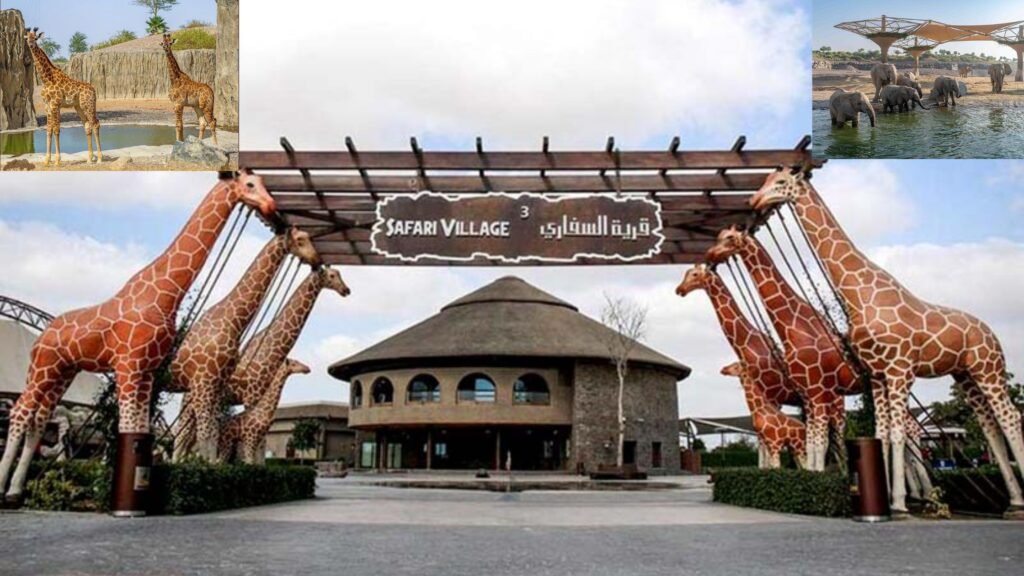
Encompassing a staggering 8,000 hectares, the park transports visitors to an African landscape without leaving the UAE, creating sanctuary for creatures who’ve traveled further from their origins than most humans ever will. Sometimes the most meaningful journeys happen when we witness other beings learning to call a new place home.
What Makes It a Gem: This isn’t just the largest safari park outside Africa—it’s a testament to what’s possible when conservation meets compassion on an almost unimaginable scale. Home to over 1,000 animals and birds across a range of 120 species, including lions, gazelles, elephants, crocodiles and many rare African animals, including the extremely rare black rhino and Wuhaida, a southern white rhino born at the park. You will find more than 120 wildlife species in this incredible park including gazelles, crocodiles, umbrella-shaped acacia tortilis, tigers, lions alongside more than 100,000 African trees that transform desert into savanna.
Location: Al Bardi Reserve, Al Dhaid, Sharjah (approximately 1 hour from Dubai via E311 and E88)
Best Time to Visit: Open from 8:30am to 6pm, with early morning (8:30-10:30 AM) or late afternoon (3:30-5:30 PM) offering optimal animal activity and comfortable temperatures
Cost: Range of ticket packages including Gold, Silver, and Bronze with prices typically ranging from AED 40-120 ($10.89-$32.67) depending on package and experiences included
What to Expect: Guided safari bus tours through recreated African ecosystems, walking tours through the ‘Into Africa’ area featuring East African islands wildlife, encounters with lemurs and baobab trees, a natural lake surrounded by restaurants and cafes for rest stops, children’s farm and petting zoo areas, and the humbling experience of watching creatures who’ve made the UAE their chosen homeland
How to Get There: Drive via Sheikh Mohammed Bin Zayed Road (E311) toward Sharjah, continue on E88 toward Al Dhaid, and follow signs to Sharjah Safari. Tours available from Dubai and Sharjah for those preferring guided transport.
Bonus Tip: Allow a full day—this isn’t a quick visit but an immersion into understanding how habitat restoration works at massive scale. The afternoon rest by the natural lake isn’t just a break; it’s where you process what you’ve witnessed about adaptation, conservation, and the courage it takes to make anywhere home.
19. Al Hefaiyah Mountain Conservation Centre
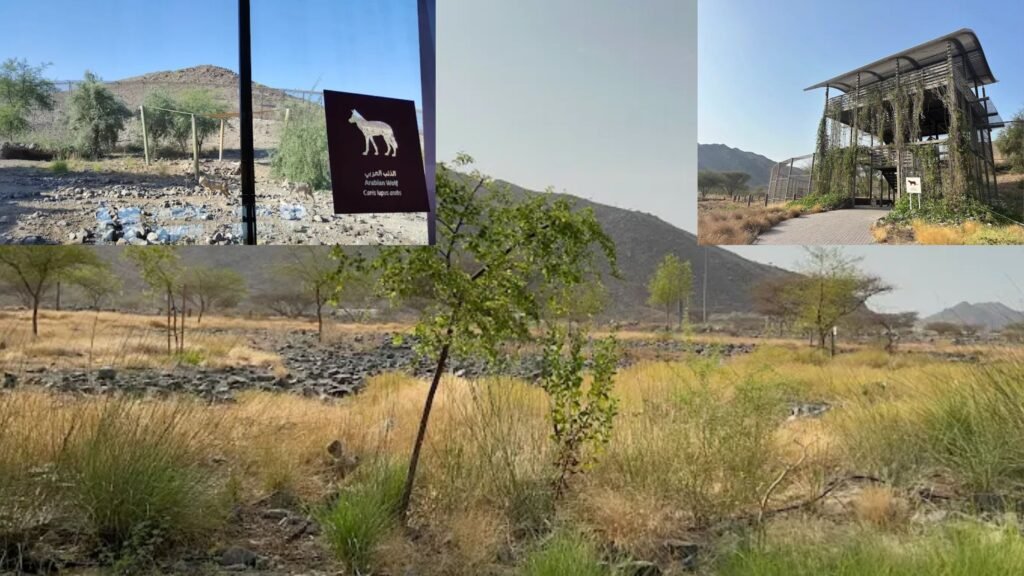
Most people think Dubai’s wildlife consists of camels at tourist farms and flamingos in sanitized parks. They’re missing something extraordinary happening just beyond the city’s reach—a place where critically endangered Arabian leopards prowl landscapes that mirror their ancestral homes, and where conservation isn’t just a buzzword but a living, breathing mission. This isn’t your typical petting zoo experience.
What Makes It a Gem: The centre houses a critically endangered Arabian leopard and striped hyena, with the latter last sighted in the UAE in 2002. Spread across 12 square kilometers with indoor and outdoor exhibits, this conservation center recreates natural mountain habitats so authentically that you’ll forget you’re visiting a protected facility. The animals live in large landscaped enclosures that mimic their natural habitat, giving visitors a chance to see them in their environment. Beyond the big cats, you’ll encounter desert lynx, wolves, mountain tahr, and an indoor sanctuary housing hedgehogs, native lizards, snakes, and impressively large scorpions.
Location: Located at the base of the Hajar Mountains on the outskirts of Kalba, around 130km east of Sharjah city via the main Sharjah-Kalba Road. Note: This is technically in Sharjah, but easily accessible from Dubai.
Best Time to Visit: Tuesday to Thursday: 09:00 am – 06:30 pm | Friday: 02:00 pm – 06:30 pm | Saturday and Sunday: 11:00 am – 06:30 pm. Visit during cooler months (November-March) for the most comfortable outdoor experience, though the facility has air-conditioned viewing corridors for summer visits.
Cost: Adults 15 AED ($4.08) (Kids under 12 years can visit free of charge). One of the UAE’s most affordable wildlife experiences.
What to Expect: You’ll be genuinely surprised by the scale and authenticity of the habitats. The guided tours are informative without being overwhelming, and for large groups, golf carts or buggy rides are available to take them around the centre. The indoor exhibits offer close encounters with smaller species that are equally fascinating. Don’t expect Disney-level entertainment—expect authentic conservation education that actually matters.
How to Get There: Drive is your best option (about 1.5 hours from Dubai). Take Sheikh Mohammed Bin Zayed Road to Sharjah-Kalba Road. Public transport is limited, so consider joining a tour or arranging private transport.
Bonus Tip: Pro Tip: Call ahead at +971-9-277-2698 to inquire about feeding times—watching the Arabian leopard during feeding provides an unforgettable glimpse into the power and grace of this magnificent endangered species.
20. Jebel Hafeet
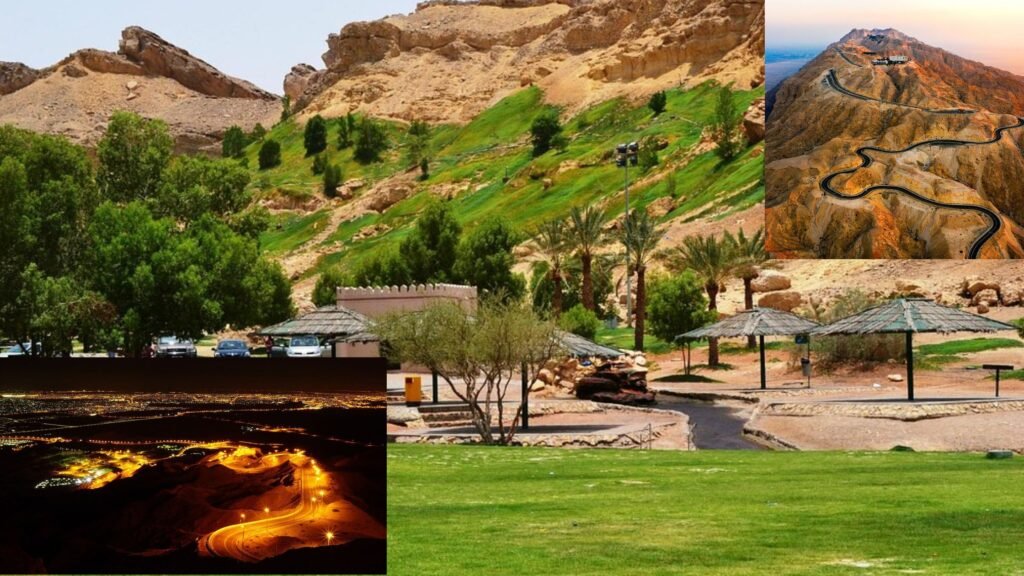
You’ve probably heard about Dubai’s tallest building, but have you heard about the UAE’s second-highest peak? Most people drive past Al Ain without realizing they’re missing one of the region’s most spectacular drives and archaeological goldmines. This isn’t just another mountain—it’s literally called “empty mountain” in Arabic, but that emptiness holds 8,000 years of human history and some of the most pristine roads you’ll ever experience.
What Makes It a Gem: Jebel Hafit is Abu Dhabi’s highest, and the UAE’s second tallest peak, but the real magic lies in what surrounds it. The mountain is home to more than 500 ancient tombs, and archaeologists have stumbled upon sites here that date back to almost 8000 years ago. The 11.7-kilometer winding road to the summit is considered one of the world’s greatest driving experiences, with “mountain road, which leads all the way to the top, is build up to the highest standard”. You’ll find fossils embedded in limestone, panoramic desert views that stretch into Oman, and luxury glamping experiences that make you feel like you’re in the middle of nowhere while having 24-hour service.
Location: Al Ain, Emirate of Abu Dhabi, on the UAE-Oman border. About 90 minutes drive from Dubai and 20 minutes from Al Ain city center.
Best Time to Visit: Early morning for sunrise or late afternoon for sunset (avoid summer fog which can obscure views). October through March offers the most comfortable temperatures. The road is accessible 24/7, but viewpoints are best enjoyed during daylight hours.
Cost: Free access to the mountain and viewing areas. Parking is available at multiple levels. Optional luxury glamping experiences and dining at mountaintop restaurants available at premium prices.
What to Expect: A world-class mountain driving experience with multiple parking areas and viewpoints along the route. You can “stop all along the way to take pictures” with breathtaking desert panoramas. The summit offers 360-degree views across Al Ain oasis, the Empty Quarter desert, and into Oman. Archaeological sites, luxury resort options, and surprisingly quiet moments—visitors report being “maybe still with 5 other people there” during off-peak times.
How to Get There: Car rental is essential. From Dubai: Take E66 to Al Ain, then follow signs to Jebel Hafeet. The road is excellently maintained with clear signage. No public transport options available.
Bonus Tip: Pro Tip: Time your visit for the golden hour and bring snacks for the viewpoints—there are designated barbecue areas if you want to make it a proper desert picnic. The road itself is an attraction, so don’t rush the drive up.
21. Shark Island (Sira Island)
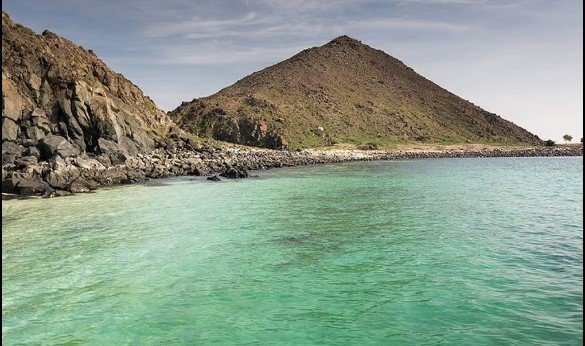
While everyone’s crowding onto overpriced glass-bottom boats in Dubai Marina, there’s a small rocky outcrop off Khor Fakkan where you can spot clownfish, parrotfish, and even sea turtles in crystal-clear waters just 15 meters deep. The name might sound intimidating, but the only thing shark-like about this place is how it devours your expectations of what UAE marine life can offer. Most people don’t even know it exists.
What Makes It a Gem: Located off Khorfakkan beach, the small rocky island is the perfect spot for snorkelling, scuba diving and even just swimming. The water is just 15 metres deep, so you can easily see the stunning seabed and the thriving marine life. The island offers two distinct dive areas—the bay side with hard corals covering around 200 meters, and the wall side with dramatic rock formations. Sea anemones and turtles are a treat for snorkellers, while divers flock here for the beautiful rock formations teeming with moray eels. Unlike Dubai’s manufactured attractions, this is authentic marine ecosystem accessible to beginners yet exciting enough for experienced divers.
Location: Off the coast of Khor Fakkan public beach, Sharjah Emirate, on the Gulf of Oman. About 1.5 hours drive from Dubai via the scenic coastal route.
Best Time to Visit: Early morning (7-10 AM) for the calmest waters and best visibility. October through April offers ideal conditions with comfortable water temperatures. Avoid weekends if you want the island to yourself—many visitors report having “the island to ourselves which was just idyllic”.
Cost: Free access to the beach and swimming to the island (strong swimmers only). Snorkeling gear rental available at local shops for 50-80 AED ($13.61-$21.78). Guided boat trips and diving excursions available from 150-300 AED ($40.84-$81.68) depending on equipment and duration.
What to Expect: Surprisingly clear waters with incredible visibility, making it easy to spot a variety of marine life. The swim to the island takes about 10-15 minutes for confident swimmers, or you can arrange boat transport. Don’t expect luxury facilities—this is raw, authentic nature. The snorkeling was bright with a fair bit of marine action and got pretty choppy on the far side of the island, so prepare for varying conditions around the island.
How to Get There: Drive to Khor Fakkan public beach (free parking available). From Dubai: Take E84 through Sharjah, then E99 to Khor Fakkan. The island is visible from the beach—look for the small rocky outcrop about 200 meters offshore.
Bonus Tip: Pro Tip: Bring underwater camera and reef-safe sunscreen. The island sits near the port, so while the setting isn’t pristine, the underwater world more than compensates. Check current conditions with local dive shops before swimming out—safety first.
22. Mushrif Park
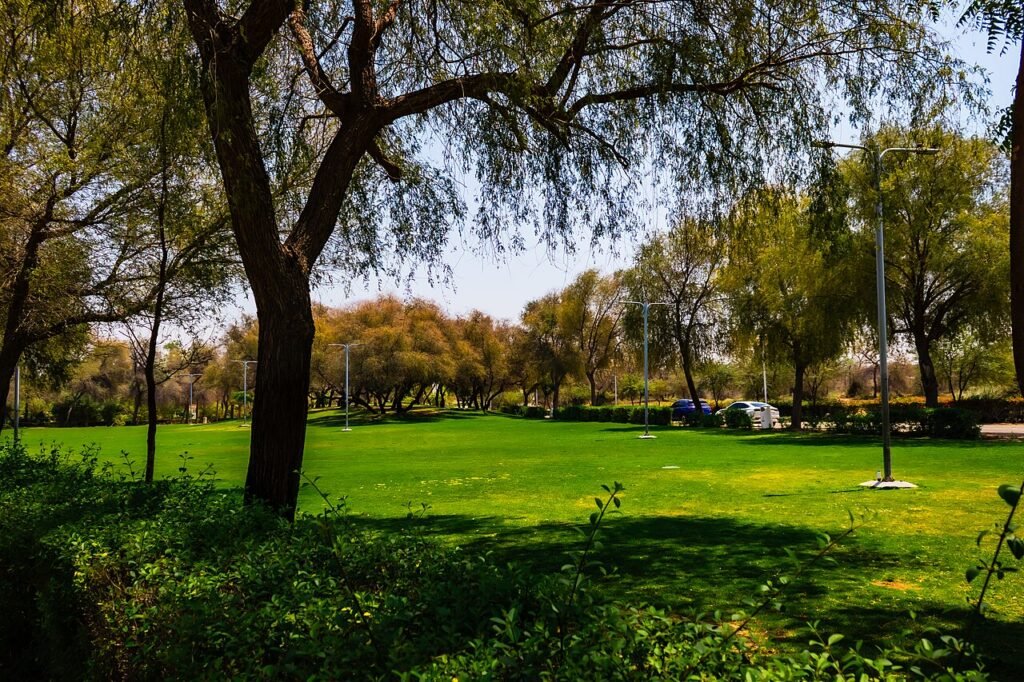
While tourists queue for hours at manufactured attractions, Dubai locals have been quietly enjoying a 500-hectare wilderness paradise that costs less than your morning coffee. At just AED 3 ($0.80) per person, this is the city’s best-kept secret—a massive nature reserve with Dubai’s first outdoor escape game, world-class mountain biking trails, and the largest adventure park with ziplines. Most people drive past it without even knowing it exists.
What Makes It a Gem: Created in 1982, Mushrif is home to Dubai’s only native Ghaf tree forest and the newly opened Mushrif Park Hiking Trail, a first-of-its-kind experience in Dubai, perfect for both beginners and experienced hikers. The park features green blue and red bike trails of different lengths, plus skill-building areas and pump tracks. You’ll find the first outdoor escape game in Dubai, located in the enchanting Ghaf tree forest, alongside Aventura Parks offering ziplining through the trees. The park also houses 13 models of traditional houses from around the world, forming a unique international village that most Dubai residents don’t even know about.
Location: Eastern Dubai, near Al Khawaneej suburb, about 16km from Dubai’s traditional center. Easy to reach but far enough from the tourist crowds.
Best Time to Visit: Open from 8:00 AM to 10:00 PM, but early morning (8-10 AM) or late afternoon (4-6 PM) offer the best temperatures. October through March provides ideal weather for outdoor activities.
Cost: Entry fee is incredibly affordable at AED 3 ($0.82) per person. Additional costs for Aventura Parks adventures, bike rentals, and food. Swimming pool, barbecue facilities, and most hiking trails included in the entry fee.
What to Expect: It’s really well planned out. Lots of options including skill building areas, pump track, hiking, and genuinely challenging mountain bike trails. Don’t expect manicured Dubai Marina-style landscaping—this is authentic wilderness with native vegetation. The park has plenty of man-made attractions as well, including walking trails and bicycle tracks, a large children’s playground, pony and camel rides, a swimming pool and barbecue pits. Perfect for families who want nature without the tourist circus.
How to Get There: Drive or taxi to Al Khawaneej area (about 30 minutes from Dubai Mall). Limited public transport options. Free parking available on-site.
Bonus Tip: Pro Tip: Download the trail maps before you go—the park is massive and easy to get lost in (in the best way). Bring your own bikes if you’re serious about the trails, or rent on-site. The escape game in the Ghaf forest is completely unique to Dubai.
23. Quranic Park
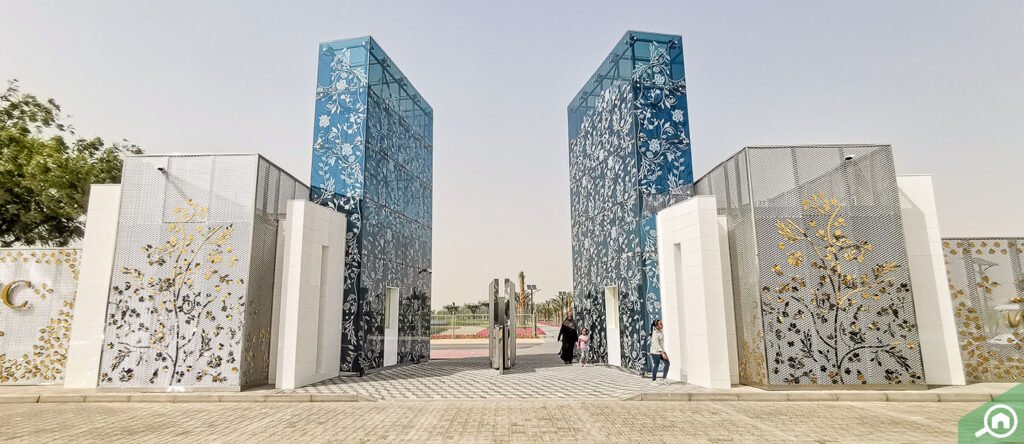
Most visitors to Dubai chase superlatives and Instagram moments, but those who venture to Quranic Park discover something rarer: a space where the sacred and everyday intersect, where 51 types of plants mentioned in the Holy Quran grow quietly alongside families seeking connection and understanding. Here, education doesn’t feel like a lecture—it feels like a conversation with wisdom itself.
What Makes It a Gem: This isn’t just another themed park—it’s a living manuscript. Twelve orchards and greenhouses showcase everything from bananas and pomegranates to wheat and basil, each accompanied by information about their benefits in food and medicine, plus the Quranic verses that mention them. The Glass House features interactive exhibits highlighting scientific concepts mentioned in the Quran, such as embryology, astronomy, and geology, while the Cave of Miracles brings ancient stories to life through stunning real-life depictions of the prophet’s miracles. It’s where botany meets spirituality, where families can wander through grape orchards, palm tree groves, and olive gardens while children ask the kinds of questions that matter.
Location: Al Khawaneej area, opposite Mushrif Park, on Al Warqa Road
Best Time to Visit: Early morning (8 AM onwards) or late afternoon when the desert heat softens and the gardens feel most alive. The park is open daily from 8 AM to 10 PM, but the cooler hours offer the most comfortable exploration.
Cost: Park entrance is free, however there is a fee for two attractions: AED 5 ($1.36) for the Cave of Miracles and AED 5 ($1.36) for the Glass House. Children under 3 and people of determination enter the paid attractions for free. Payment accepted via RTA NOL card, with recharge stations available inside the park.
What to Expect: Peaceful walking paths through themed orchards, interactive science exhibits that spark curiosity, quiet corners perfect for reflection, and surprising moments of beauty—like discovering how many familiar foods have ancient, sacred stories. The solar-powered lighting system uses energy collected during the day to illuminate the paths at night, making evening visits particularly magical.
How to Get There: The nearest Dubai Metro station is Centrepoint, about a 10-minute drive away. Public buses E66, X23, and X123 serve the area, with taxis available right at the entrance gate. By car, access via Al Khawaneej Road (D89), then exit onto Sheikh Zayed Bin Hamdan Al Nahyan Street (D54) with ample free parking available.
Bonus Tip: Visit during the cooler months (November to March) when you can fully appreciate the outdoor orchards without the intensity of summer heat. Bring a water bottle and comfortable walking shoes—this is a place for slow discovery, not rushing through selfie spots.
Frequently Asked Questions
Q: How much time should I dedicate to exploring these hidden gems?
The beauty of hidden gems is that they reward those who move slowly. Unlike Dubai’s major attractions that can feel rushed and crowded, these places invite lingering—plan for at least 1-2 hours per location to truly absorb their character. Some, like neighborhood walks through Al Fahidi or quiet moments in heritage villages, might steal an entire afternoon if you let them. Remember, you’re not collecting checkmarks here; you’re collecting experiences.
Q: Are these places suitable for families with children?
Most of these hidden gems are wonderfully family-friendly, often more so than Dubai’s flashier attractions. Places like Quranic Park offer educational experiences that spark children’s curiosity naturally, while heritage sites provide tangible history lessons that textbooks can’t match. The slower pace and authentic atmosphere actually work in families’ favor—children can explore, ask questions, and discover without the sensory overload of mega-attractions.
Q: What’s the best way to get around to visit multiple hidden gems in one day?
Here’s the truth: trying to cram multiple hidden gems into a single day misses the point entirely. These places are meant to be savored, not conquered. Choose 1-2 locations that are geographically close and culturally connected, then allow the day to unfold naturally. A combination of metro, taxi, and walking works best—many of these gems are in areas where the journey itself becomes part of the discovery.
Q: Do I need to dress modestly when visiting these cultural and religious sites?
Respect opens doors that money cannot. Most cultural sites and religious spaces appreciate modest dress—cover shoulders and knees, and bring a light scarf if you’re unsure. This isn’t about strict rules; it’s about honoring the places and people who welcome you into their stories. When you dress thoughtfully, you’re not just a tourist—you become a respectful guest in someone else’s sacred space.
Q: Are these hidden gems accessible year-round, or should I avoid certain seasons?
Dubai’s hidden gems are accessible throughout the year, but they reveal different personalities with the seasons. The cooler months (November through March) offer the most comfortable exploration, especially for outdoor sites and walking tours. Summer visits aren’t impossible—they just require earlier starts, later finishes, and a healthy respect for air conditioning. Sometimes the off-season rewards travelers with fewer crowds and more intimate experiences with these special places.
Conclusion
Dubai will always have its giants—the buildings that scrape the sky, the malls that redefine excess, the attractions that break records and flood social media feeds. But after you’ve seen the city’s loudest declarations, these hidden gems offer something different: the chance to discover a Dubai that doesn’t need to announce itself. They remind us that the most memorable travel experiences often come not from checking off a list, but from wandering with curiosity and allowing a place to reveal itself slowly, like a story that gets better with each telling. In a city built on dreams of the future, these 23 places honor the past, celebrate the present, and invite you to write your own small chapter in Dubai’s ever-expanding story.