While Dubai is globally renowned for its record-breaking skyscrapers and molecular gastronomy, its true culinary heart beats in the quiet courtyards and historic alleyways where time-honored recipes are still prepared with patience. The global “Slow Food” movement has found a natural home in the UAE’s heritage districts, where dishes like Harees and Saloona are simmered for hours to achieve a depth of flavor that fast-casual dining simply cannot replicate. For the discerning traveler, finding Authentic Emirati Food Dubai is the key to unlocking the authentic soul of the city, far removed from the neon lights of Downtown.
The essence of Emirati slow food lies in its preparation: meat that falls off the bone, grains that have been hand-pounded for half a day, and spice blends (bezar) that have been perfected over generations. These spots are often tucked away in residential neighborhoods or historic quarters like Al Fahidi and Al Shindagha. By stepping away from the typical tourist trails, you not only enjoy a superior meal but also participate in a cultural ritual of hospitality that has defined the Arabian Peninsula for centuries. These ten locations offer a masterclass in the patience and passion of Emirati cooking.
What Makes Emirati Food Emirati
Before diving in, it’s worth understanding what you’re actually eating. Emirati cuisine draws from the sea, the desert interior, and thousands of years of trading contact with South Asia, East Africa, and Persia. The spice mix called bezar — cardamom, cumin, cinnamon, black and red pepper, fenugreek, and turmeric — underpins a huge proportion of the savoury cooking. Rice is the staple. Dates appear in both sweet and savoury contexts. Fish from the Arabian Gulf — hamour (orange-spotted grouper), kingfish, and shrimp — feature heavily in coastal communities, while interior dishes lean on lamb and camel.
What surprises most first-time visitors is how subtle the heat is. Emirati food is spiced but not particularly spicy in the chilli sense. The flavours are warm, aromatic, and layered — saffron rice, slow-cooked meat that falls apart, bread baked fresh to order. It’s food designed for sharing, eaten at a pace that European and American diners tend to find unexpectedly relaxed.
1. Al Khayma Heritage Restaurant (Al Fahidi)
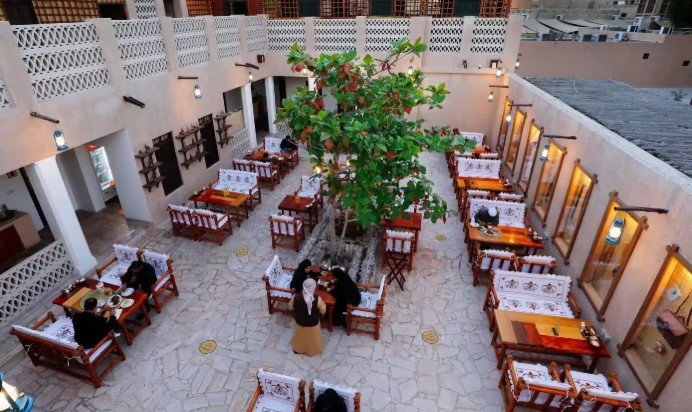
Located in the heart of the Al Fahidi Historical Neighborhood, Al Khayma is a Michelin-awarded sanctuary that many tourists pass by while heading to more modern cafes. This restaurant is a temple to the slow-cooking methods of the Bedouin. Their signature Lamb Saloona (a rich, spiced stew) and Harees (wheat and meat porridge) are prepared daily using traditional techniques that require half a day of constant attention. The atmosphere, complete with palm-frond ceilings and the scent of roasting coffee, transports you back to a pre-oil era.
The highlight here is the live bread-making and the “fall-off-the-bone” tenderness of their slow-roasted meats. Dining in the open-air courtyard as the call to prayer echoes through the wind towers is a profound experience in slowing down. For those seeking the most authentic traditional Emirati “slow food” spots, Al Khayma’s commitment to farm-to-table sourcing and ancestral recipes makes it a non-negotiable first stop.
2. Harees Al Fareej (Al Khawaneej)
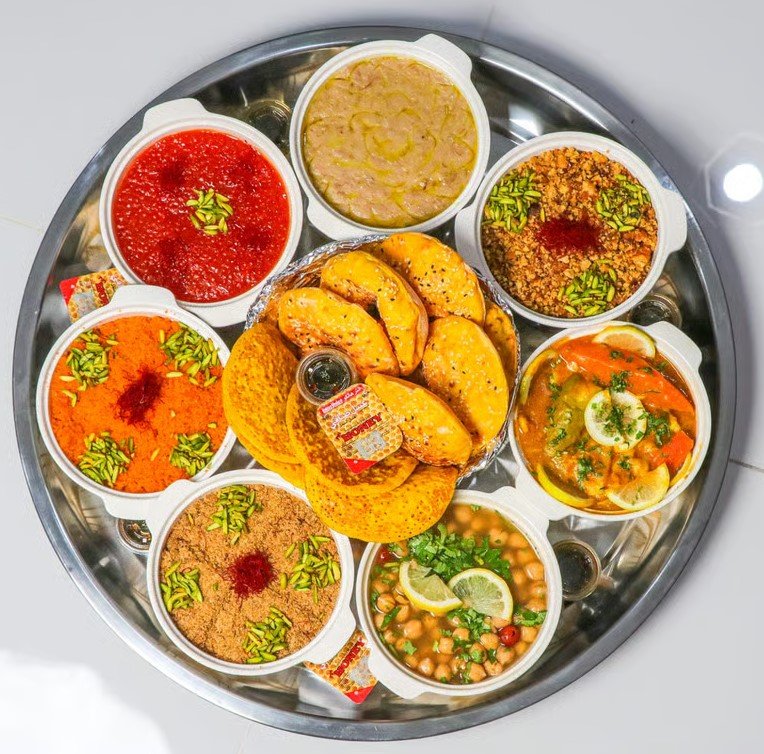
For a truly local experience, one must drive to the residential outskirts of Al Khawaneej to find Harees Al Fareej. While it has expanded into a small local chain, the Al Khawaneej branch remains a favorite for Emirati families who demand the highest quality Harees. This dish is the epitome of slow food: wheat and meat are simmered together in a clay pot for up to eight hours until they reach a silky, porridge-like consistency, then topped with a generous drizzle of clarified butter (ghee).
Tourists rarely make it this far into the suburbs, yet this is where you find the true benchmark for Emirati comfort food. The menu is intentionally limited, focusing on “porridge-style” dishes like Madrouba (salted fish mashed with spices) and Arsiya. It is a no-frills establishment where the focus is entirely on the labor-intensive process of the kitchen, offering a taste of the UAE that is both humble and incredibly rich.
3. Al Fanar Seafood Market (Al Barsha Pond Park)
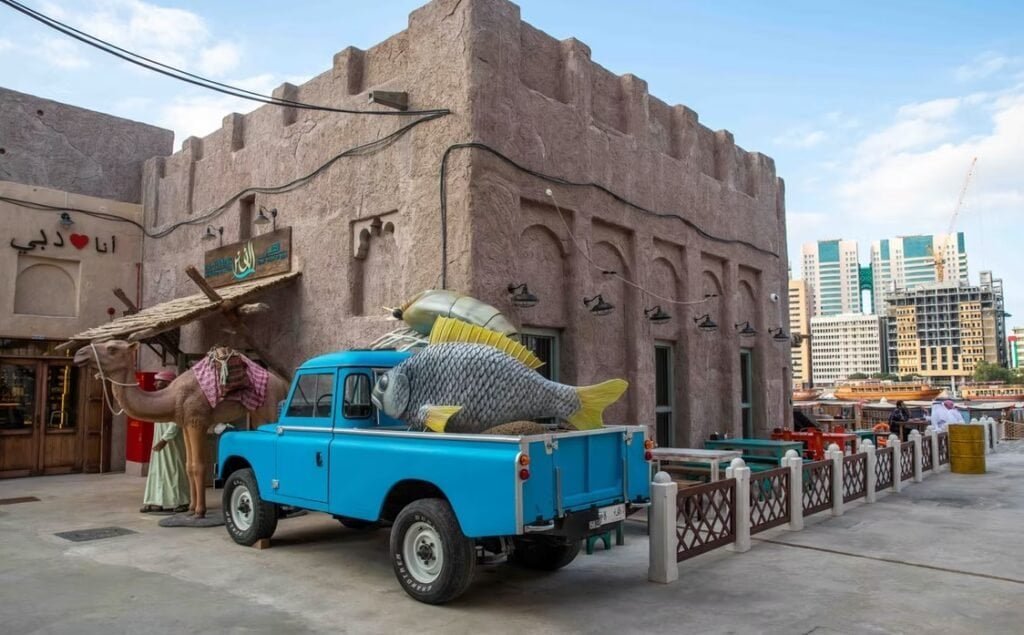
While the Al Fanar branch in Al Seef is well-known, the smaller, more tranquil location at Al Barsha Pond Park is a hidden gem. This spot specializes in the coastal “slow food” traditions of the UAE. Their Jesheed (minced baby shark with spiced rice) is a rare find in modern Dubai, requiring careful preservation and slow sautéing to balance the intense flavors of the sea with regional spices like loomi (dried lime).
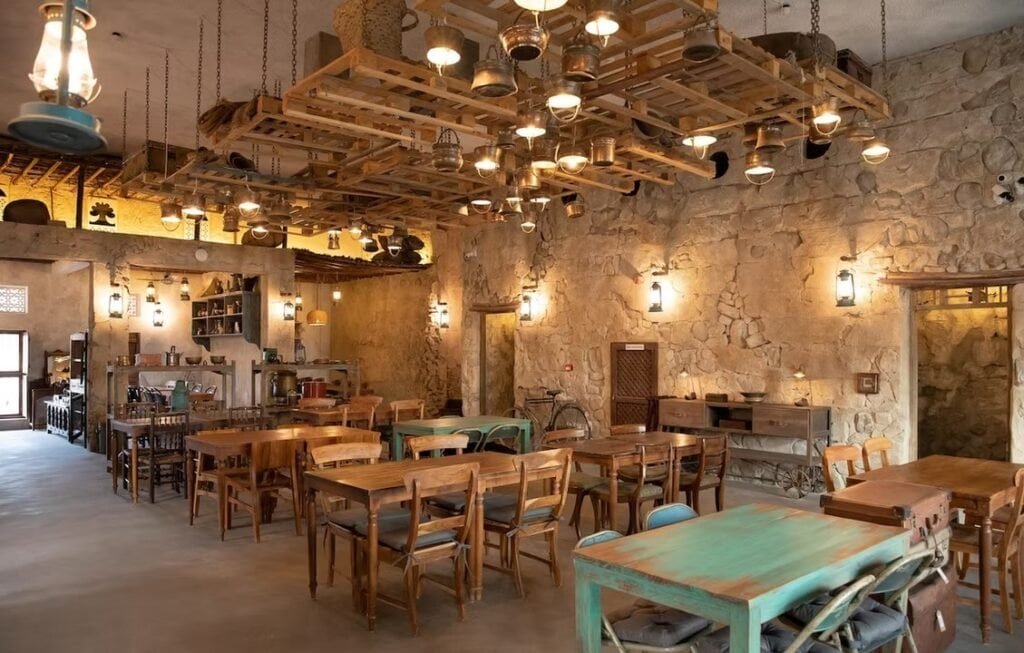
The restaurant is designed to resemble a 1960s fishing village, providing a nostalgic backdrop to a long, unhurried lunch. Because it is nestled within a community park, it remains largely a local secret. Ordering a full Machboos Samak (fish machboos) here is a commitment to a slow-simmered feast that showcases the UAE’s deep-rooted connection to the Arabian Gulf.
4. Local House (Al Bastakiya)
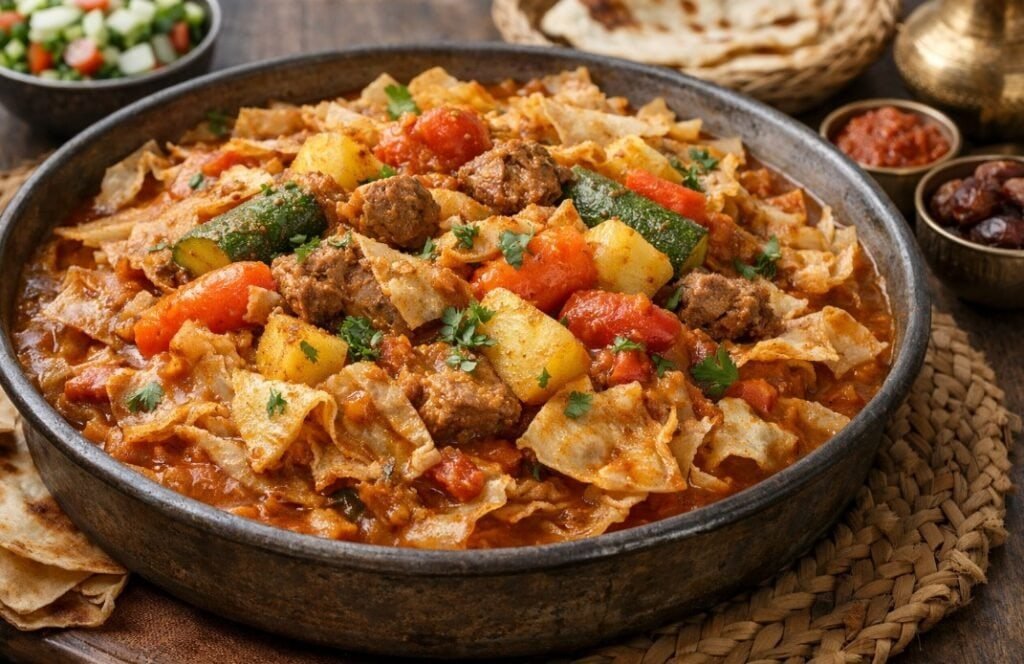
Tucked within the narrow sikkas (alleys) of the Al Bastakiya district, Local House is famous among residents for being one of the first to serve camel meat, but its true strength lies in its slow-cooked stews. Their Thareed—often called the “Emirati Lasagna”—is a labor of love, consisting of thin layers of regag bread soaked in a heavy, spice-laden lamb and vegetable stew until the bread reaches a melt-in-the-mouth texture.
This spot is frequently missed by tourists who opt for the more visible tea houses nearby. Local House offers a shaded, tree-lined courtyard where the pace of life drops significantly. It is one of the few places where you can find Camel Ouzi, a celebratory dish where the meat is marinated for 24 hours and slow-cooked for six, resulting in a flavor profile that is surprisingly delicate and deeply satisfying.
| 📍 Local House Restaurant Location: Al Fahidi Historical Neighbourhood, Bur Dubai Metro: Al Fahidi Station (Green Line) Founded: 1997 Must-order: Camel burger (a Dubai first), traditional rice dishes, seafood Tip: Book ahead for evening visits — the space fills quickly |
5. Malleh Gourmet (Jumeirah)
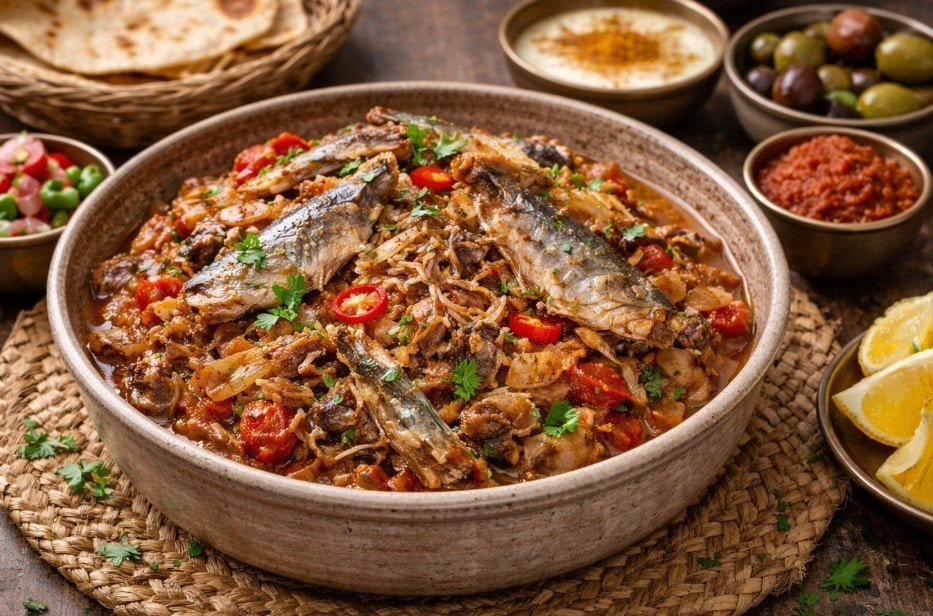
Malleh Gourmet is a boutique spot that celebrates the ancient Emirati art of fish preservation. The name “Malleh” refers to salted, cured fish—a tradition born from the necessity of preserving food in the desert heat. This is “slow food” in its most literal sense, as the curing process can take weeks. The restaurant serves this delicacy in modern yet authentic ways, such as Malleh over a bed of fragrant, slow-cooked rice.
Tourists often avoid preserved fish, fearing it might be too pungent, but Malleh Gourmet prepares it with such balance that it becomes an umami-rich revelation. It is a quiet, sophisticated space in Jumeirah where you can learn about the historic preservation techniques that allowed the Emirati people to thrive in a harsh environment. This is a must-visit for culinary historians and adventurous foodies alike.
6. Saba’a (Al Seef Heritage Hotel)
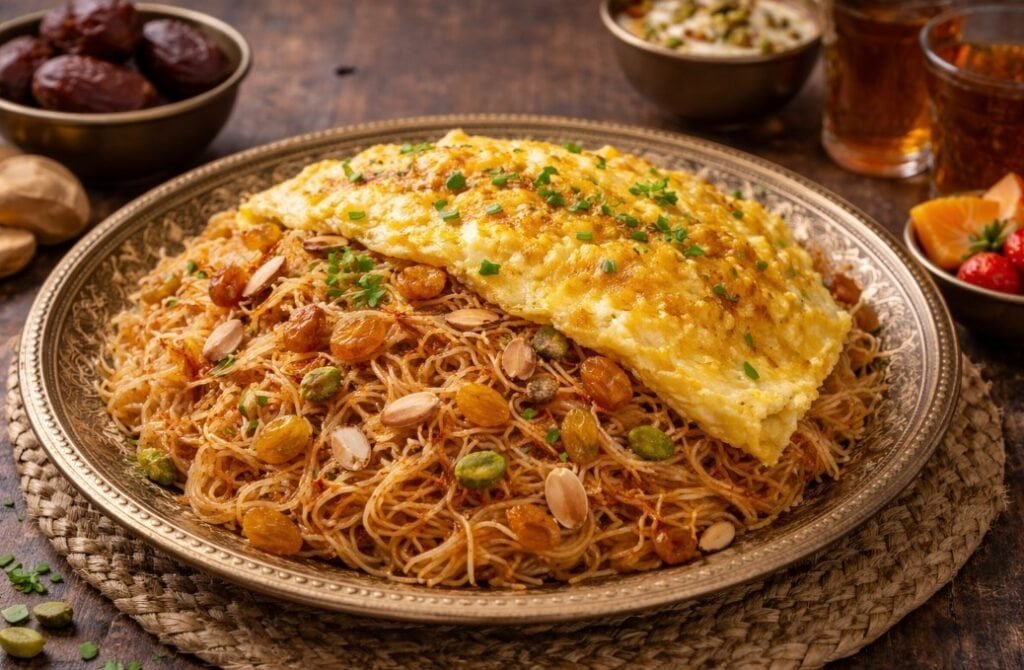
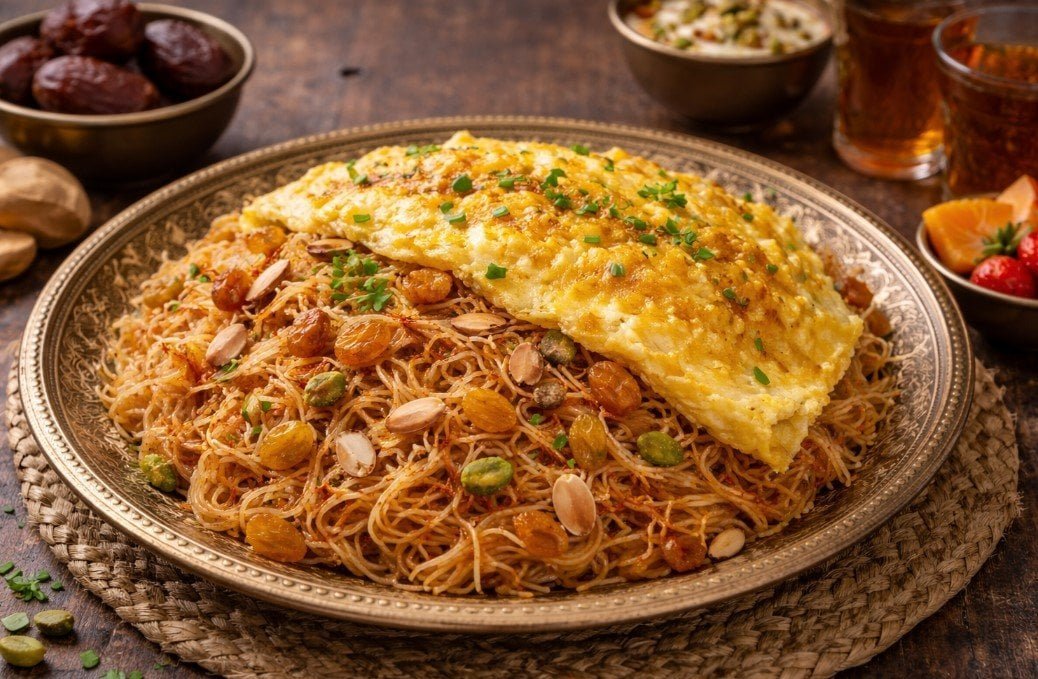
Located within the winding corridors of the Al Seef Heritage Hotel, Saba’a (meaning “seven,” for the seven emirates) is often overlooked by those staying in the more modern parts of the city. The restaurant focuses on “forgotten” recipes, specifically those that take all day to prepare. Their breakfast trays are legendary, featuring Balaleet (sweet vermicelli with an omelet) and Khameer bread, which is traditionally fermented overnight and cooked over a coal fire.
The setting is rustic, with reclaimed wood and vintage lanterns, overlooking the traditional dhows of the Dubai Creek. Saba’a provides an elevated take on home cooking, making it one of the most serene traditional Emirati “slow food” spots tourists always miss. It is the perfect place for a long, contemplative breakfast while watching the city’s historic waterway come to life.
7. Al Jawareh (Al Qusais)
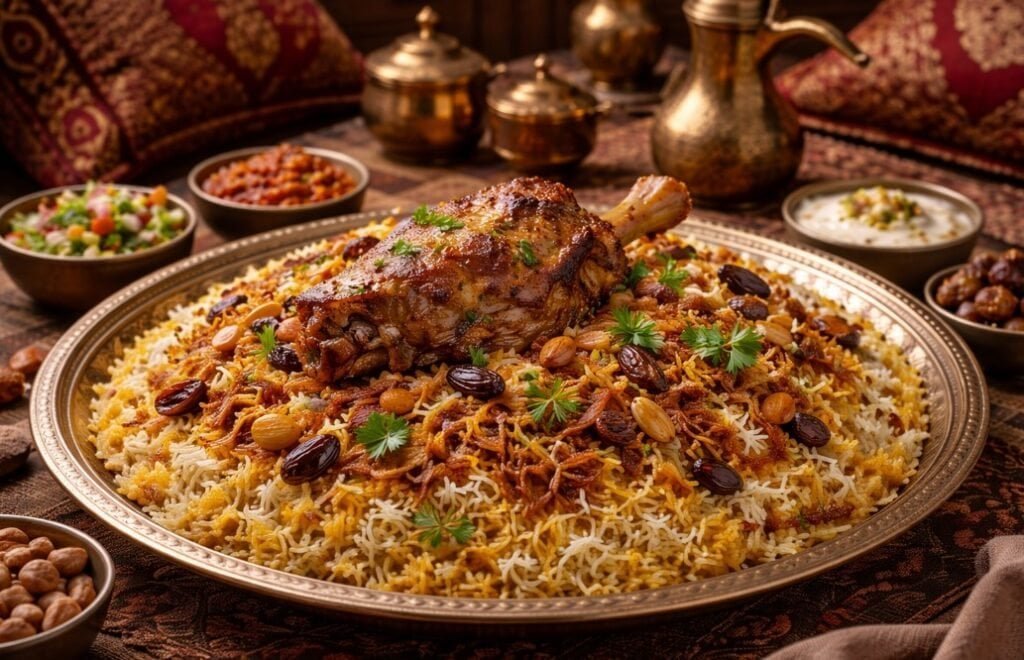
Al Jawareh is a neighborhood institution in Al Qusais that has resisted the urge to modernize. It is famous for its Mandi and Madfoun, dishes that utilize the “underground” slow-cooking method. The meat is spiced, wrapped, and placed in a pit for several hours, allowing it to steam in its own juices. The result is an incredibly tender texture that simply cannot be achieved in a standard oven.
While Mandi is technically of Yemeni origin, it has been an integral part of the Emirati diet for decades. Al Jawareh provides a traditional floor-seating experience (Majlis style), which many tourists find intimidating but locals cherish. If you want to see where Emirati families go for a Friday feast that has been cooking since dawn, this is the place.
8. SMCCU Cultural Meals (Al Fahidi)
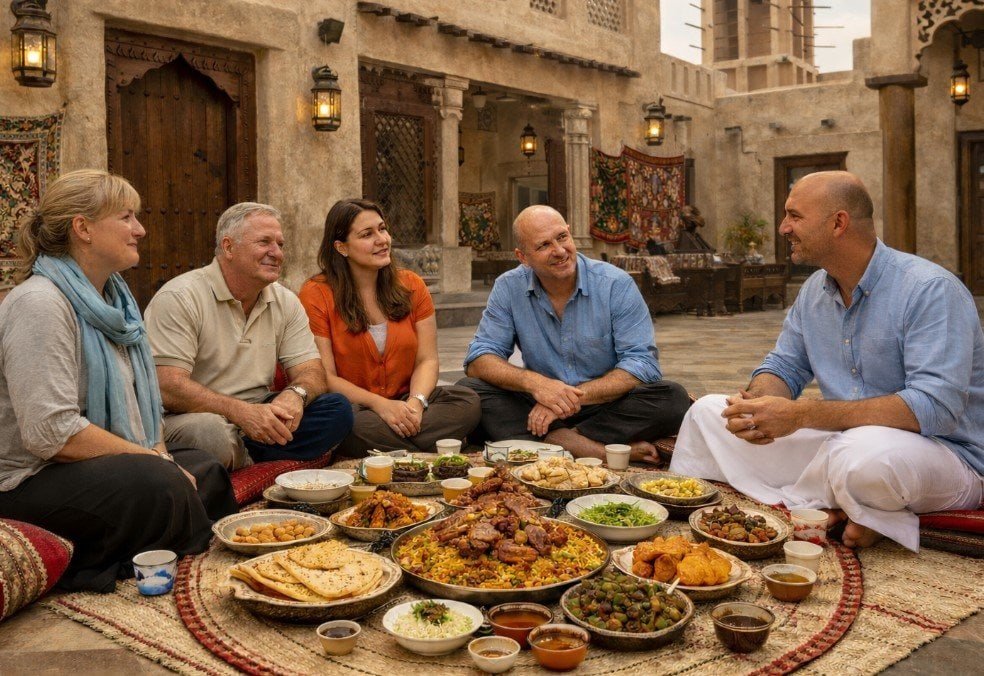
The Sheikh Mohammed bin Rashid Al Maktoum Centre for Cultural Understanding (SMCCU) offers more than just a meal; it provides a guided journey into Emirati life. While not a traditional “restaurant,” their hosted lunches and dinners feature some of the best slow food in the city, prepared by local households. The Machboos (spiced meat and rice) served here is often considered the gold standard for authenticity.
Tourists often miss this because it requires a booking, but those who attend are rewarded with an unlimited spread of home-cooked dishes and the chance to ask Emirati hosts about their culture. It is the most educational way to experience the traditional Emirati “slow food” spots of Dubai, as every bite is accompanied by a story of its origin and significance.
9. Aseelah (Deira)
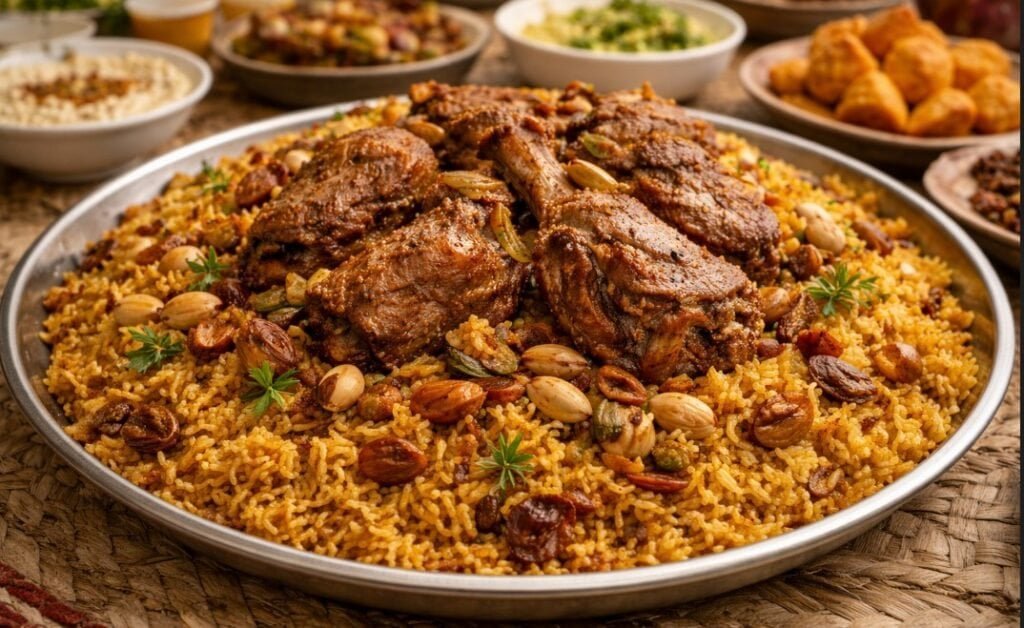
Aseelah, located in the historic Radisson Blu Deira, is a pioneer in “Modern Emirati” cuisine, but its heart remains firmly in the slow-cooking camp. They have spent years documenting old family recipes from across the emirates. Their Lamb Ouzi is a masterpiece of slow-roasting, featuring a whole marinated lamb that has been cooked for an entire day until the meat effortlessly detaches from the bone.
Being in the older part of the city, Aseelah is often skipped by those staying in the New Dubai area. However, it offers a refined environment where the complexity of Emirati spices is given the respect it deserves. It is one of the few places where you can find Aseeda al Tamor, a slow-cooked flour and date dessert that is as rich as a fine chocolate fondant.
Related : Taste The Best: Top 10 Shawarma In Dubai
10. Logma (City Walk / Dubai Mall)
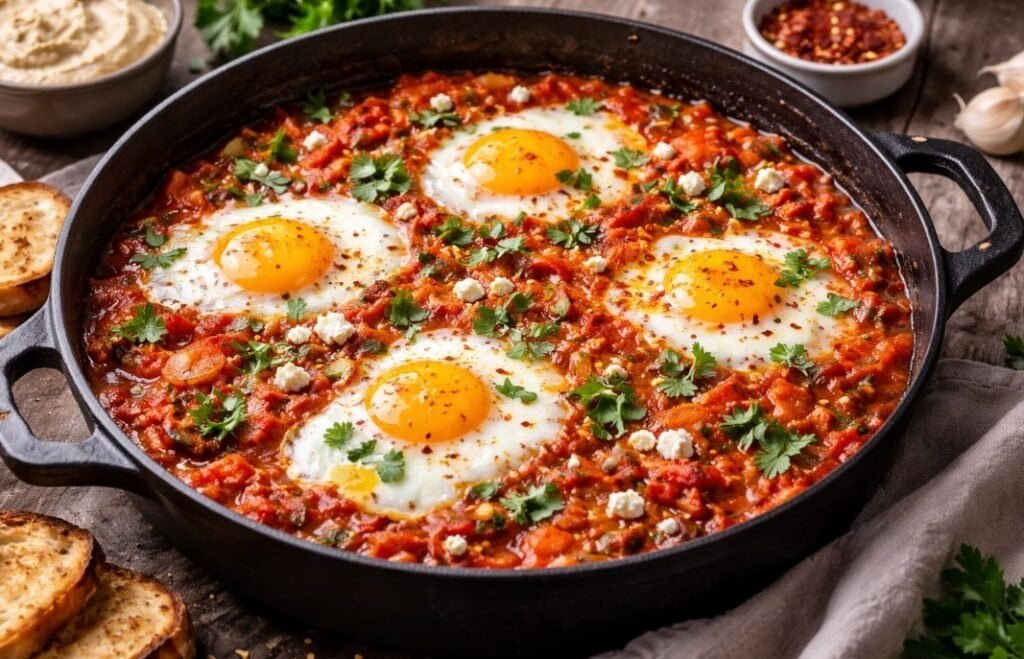
While Logma is the most “modern” on this list, it makes the cut for its accessibility and its role in reintroducing slow-cooked Khaleeji (Gulf) flavors to a younger generation. Their Emirati Shakshuka and slow-simmered chicken dishes use authentic spice blends that honor tradition. It is a “hidden in plain sight” spot where tourists might see a trendy cafe but miss the authentic culinary backbone of the menu.
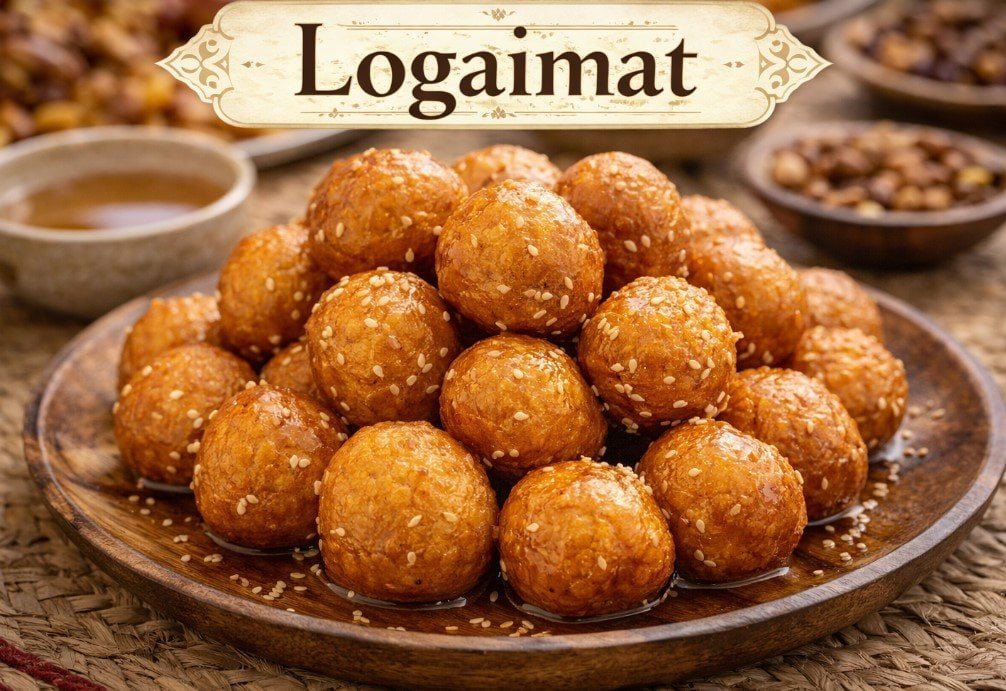
Logma is perfect for those who want to dip their toes into Emirati flavors without leaving the comfort of a modern shopping district. Their Luqaimat (sweet dumplings) are made to order and provide a quick, crispy-sweet finish to a meal that highlights the lighter side of traditional cooking. It proves that even in the heart of modern Dubai, the “slow” traditions of the past are still very much alive.
11. Arabian Tea House Al Fahidi · A Dubai Institution
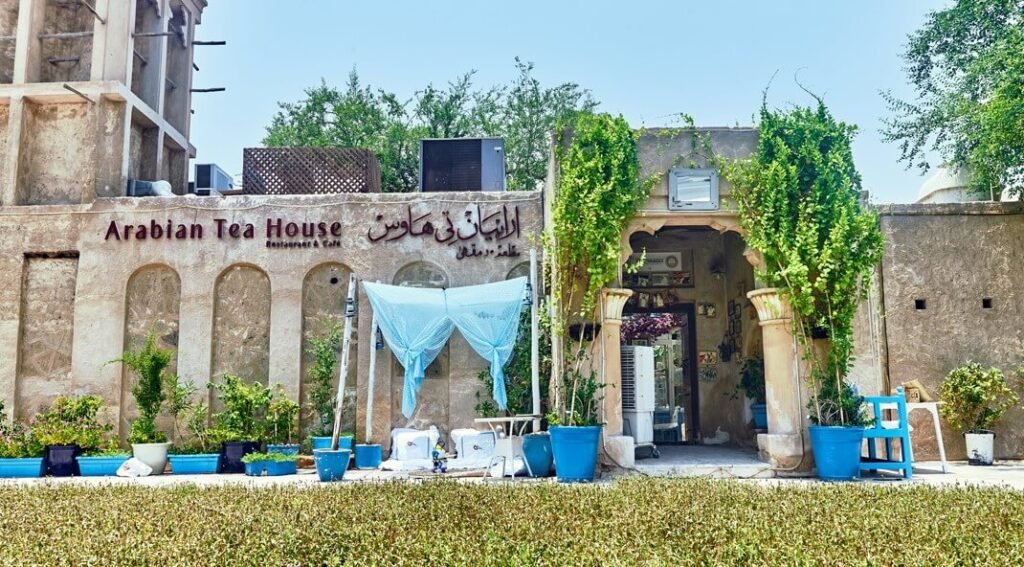
The Arabian Tea House has been in Al Fahidi long enough that it’s become part of the neighbourhood’s furniture. Located in a restored courtyard house near the historic district’s winding lanes, it draws a steady mix of residents and visitors without feeling like either a local secret or a tourist trap — which is a harder balance to strike than it looks. Trip.com’s verified ranking of Dubai’s top local restaurants places it first among local dining destinations in the city, measured across nearly 2,000 reviews.
The courtyard setting — shaded, partly covered, strung with lanterns in the evening — is as much the draw as the food. The menu spans Emirati and broader Arabic cuisine: hummus made from scratch, grilled meats marinated in regional spices, thick-cut regag bread with date syrup and cheese, and a tea selection that runs to several dozen varieties. The chebab (Emirati-style pancakes) at breakfast are a reliable standout, soft with a faint cardamom note and served with dips and accompaniments.
It’s the kind of place where you order too much without meaning to, eat slowly, and eventually understand why the lunch crowd lingers for two hours. Go on a weekday morning if you want the courtyard relatively to yourself.
| 📍 Arabian Tea House Location: Al Fahidi Historical Neighbourhood, Bur Dubai Metro: Al Fahidi Station (Green Line) — 5 min walk Best time: Weekday mornings or early evenings Must-order: Chebab pancakes (breakfast), regag with date syrup, house tea selection Booking: Walk-ins usually fine; busier on weekends |
12. SMAT Dubai Design District (D3) · Modern Emirati Breakfast
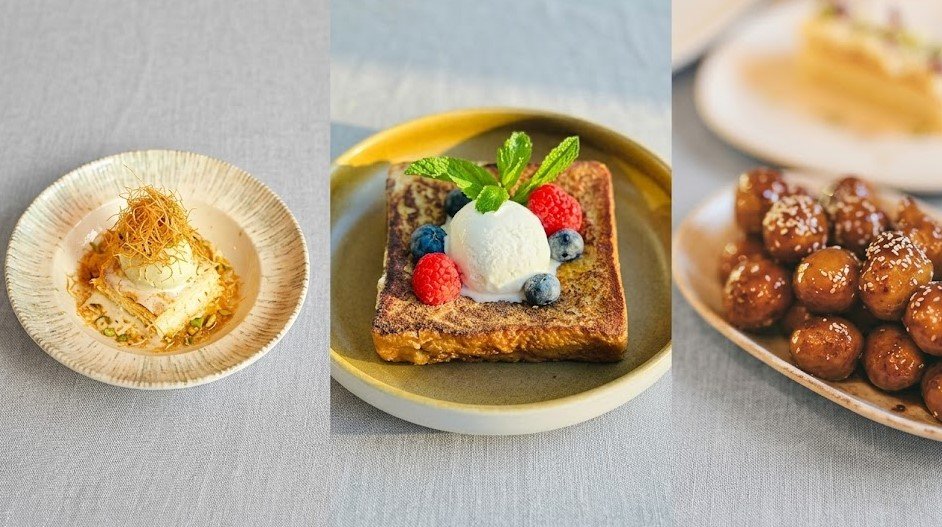
SMAT sits in the Dubai Design District, which is an unlikely location for a traditional Emirati experience — and that contrast is exactly the point. The restaurant focuses almost entirely on Emirati breakfast culture, translating dishes that most residents only encounter at home into a menu served in a contemporary setting to a mixed professional and creative crowd.
The regag — a thin, crispy flatbread made to order — comes with fillings that range from cheese to eggs to the classic date-syrup-and-butter combination that Emiratis eat for breakfast the way other cultures eat toast. The chebab pancakes are a second essential: softer, slightly thicker, with that cardamom warmth and whatever accompaniment you pair them with. Karak tea — strong, spiced, made with evaporated milk — ties the whole meal together.
SMAT is one of the better answers to the question of where to have an authentic Emirati breakfast without navigating heritage district alleyways. The D3 location is accessible, the setting is modern without being generic, and the kitchen takes the cooking seriously.
| 📍 SMAT Location: Dubai Design District (D3), Al Quoz Metro: Business Bay Station (Red Line) — short taxi from there Best time: Morning — the restaurant specialises in Emirati breakfast Must-order: Regag with cheese, chebab pancakes, karak tea Vibe: Contemporary, creative-professional crowd, indoor seating |
13. HumYum Restaurant Nad Al Sheba · The Local’s Local
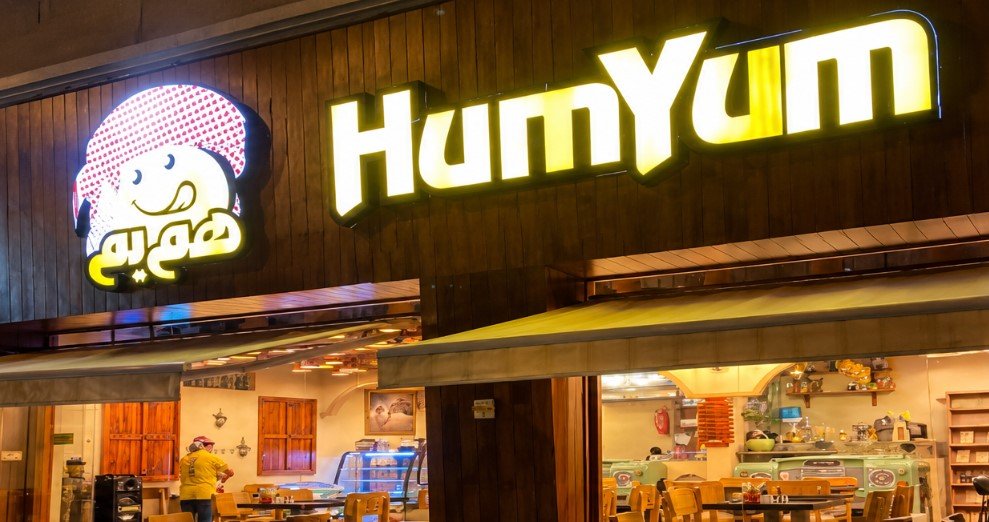
HumYum is the entry on this list that most tourists would never find on their own — and that’s precisely what makes it worth including. Located in Nad Al Sheba, it operates as a neighbourhood café specialising in Emirati snacks and tea-break culture: sambosa (crisp pastry triangles filled with meat or vegetables), luqaimat, dango, and Emirati breakfast dishes served in a setting that is small, local, and entirely unhurried. Sheikh Hamdan bin Mohammed was there — a visible signal of the kind of endorsement that doesn’t appear in Michelin guides but carries weight in the city.
The food is exactly what it needs to be: reliably made, generously portioned, priced for the neighbourhood it serves. The sambosa here has a particularly good following — the pastry thin enough to shatter, the filling seasoned with the kind of light hand that comes from cooking the same thing daily for years.
Getting to Nad Al Sheba requires a car or taxi; it’s not a metro-accessible neighbourhood. But for anyone who has been working through the Al Fahidi circuit and wants to see what an Emirati snack spot looks like outside a heritage district, HumYum offers a more unfiltered picture of how the food actually functions in daily life.
| 📍 HumYum Restaurant Location: Nad Al Sheba, Dubai Access: Car or taxi recommended (not metro-accessible) Best time: Late morning or afternoon for snacks and tea Must-order: Sambosa, luqaimat, Emirati breakfast dishes, karak tea Vibe: Neighbourhood café, entirely local, no tourist infrastructure |
14. Al Bait Al Qadeem Deira · Old House, Old Recipes
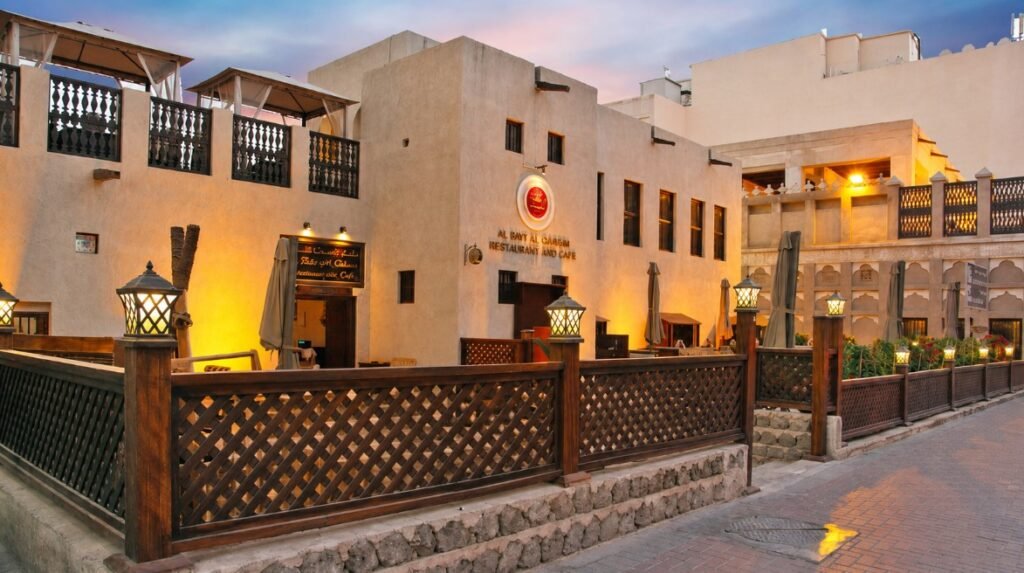
Al Bait Al Qadeem translates literally as The Old House — and the name is accurate in both the physical and culinary sense. Located in Deira, the older of Dubai’s two creek-side districts, the restaurant serves traditional Emirati recipes including shrimp majboos and fish biryani in a setting that predates the development boom that reshaped most of the city. The Mercure Accor guide to Emirati dining names it among the handful of restaurants worth seeking out for genuinely traditional cooking.
The shrimp majboos is the dish to order: the Gulf shrimp are local, the spice blend is made in house, and the rice cooks in the same stock as the seafood, so each grain carries the flavour of the sea. It’s the kind of dish that tastes like it was made by someone who has been making it for thirty years — which, in Deira, is a reasonable possibility.
Deira itself is undervisited by tourists who tend to concentrate on the heritage district across the creek, but the neighbourhood has its own character: the Gold Souk, the Spice Souk, and a waterfront that has changed less than almost anywhere else in the city. Al Bait Al Qadeem fits that context.
| 📍 Al Bait Al Qadeem Location: Deira, Dubai Metro: Al Ras Station (Green Line) Best combined with: Gold Souk, Spice Souk, Deira waterfront Must-order: Shrimp majboos, fish biryani Vibe: Traditional, no-frills, neighbourhood restaurant |
15. Al Jalboot Restaurant Jumeirah Beach Road · Al Souq Mall
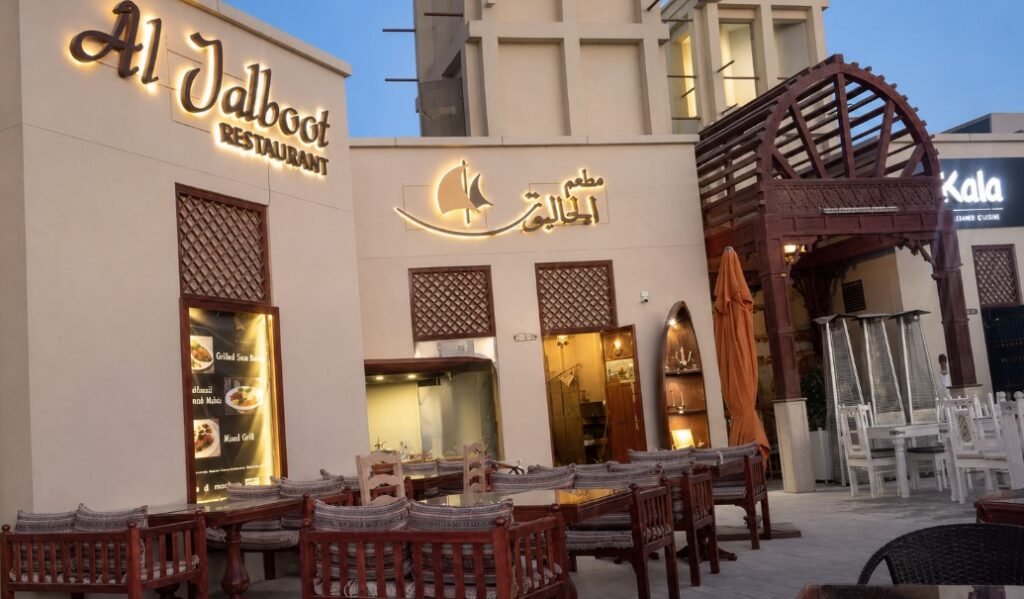
Al Jalboot — named after the traditional wooden Gulf boat — occupies a different position from the other entries on this list. It’s in Al Souq Mall on Jumeirah Beach Road, which puts it in one of the more accessible parts of the city for visitors staying in the Jumeirah corridor. The setting is less heritage-focused than Al Fahidi, but the kitchen is taken seriously: traditional Emirati dishes prepared to recipes that reflect the coastal communities the restaurant draws its identity from. Al Jalboot among the city’s best for traditional cuisine, noting its appeal to both local families and visitors looking for something beyond the tourist circuit.
The raqaq (thin, crispy Emirati bread), khameer (a slightly sweet leavened bread), and chebab with date syrup are the highlights on the sweeter end of the menu. For mains, the rice dishes and grilled fish preparations are consistently well-executed. The restaurant carries the bakhoor (incense) atmosphere that characterises Emirati hospitality — the scent that means the kitchen and the dining room are working in the same tradition.
It’s the most practically located option on this list for visitors staying between the Marina and the creek, and a reliable choice for a mid-week evening when the Al Fahidi alternatives are fully booked.
| 📍 Al Jalboot Restaurant Location: Al Souq Mall, Jumeirah Beach Road, Jumeirah Metro: World Trade Centre Station (Red Line) — short taxi from there Must-order: Raqaq bread, khameer, chebab with date syrup, grilled fish Vibe: Family-friendly, traditional atmosphere, accessible location Booking: Walk-ins usually available |
A Quick Guide to the Dishes You’ll See on Every Menu
Most Emirati restaurant menus in Dubai are written in both English and Arabic, and staff at every restaurant on this list are accustomed to explaining dishes. That said, knowing what you’re looking at before you sit down makes ordering less hesitant and more rewarding.
Machboos (also written Majboos)
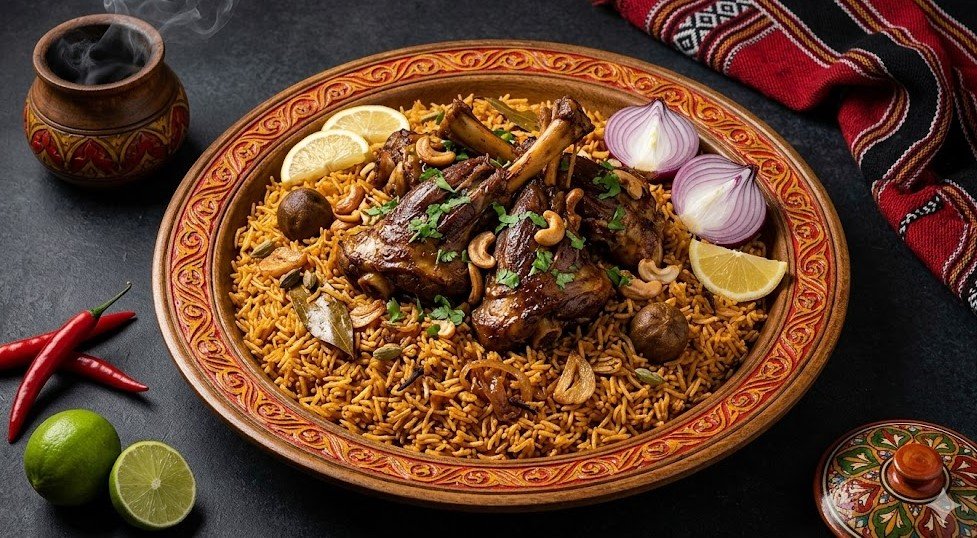
The closest thing to a UAE national dish. Spiced rice cooked in a broth with meat or fish — lamb, chicken, shrimp, or hamour depending on the version — using the bezar spice blend and often saffron. The rice absorbs the cooking juices, which is where most of the flavour lives. Served in large portions designed for sharing.
Harees
Slow-cooked wheat blended with meat — usually lamb or chicken — until it reaches a thick, smooth porridge consistency. Often finished with ghee. It’s one of the oldest dishes in Gulf cuisine, deeply associated with Ramadan and Eid but available year-round in most traditional restaurants. The texture surprises people; the flavour doesn’t — it’s warm, mild, and deeply comforting.
Regag
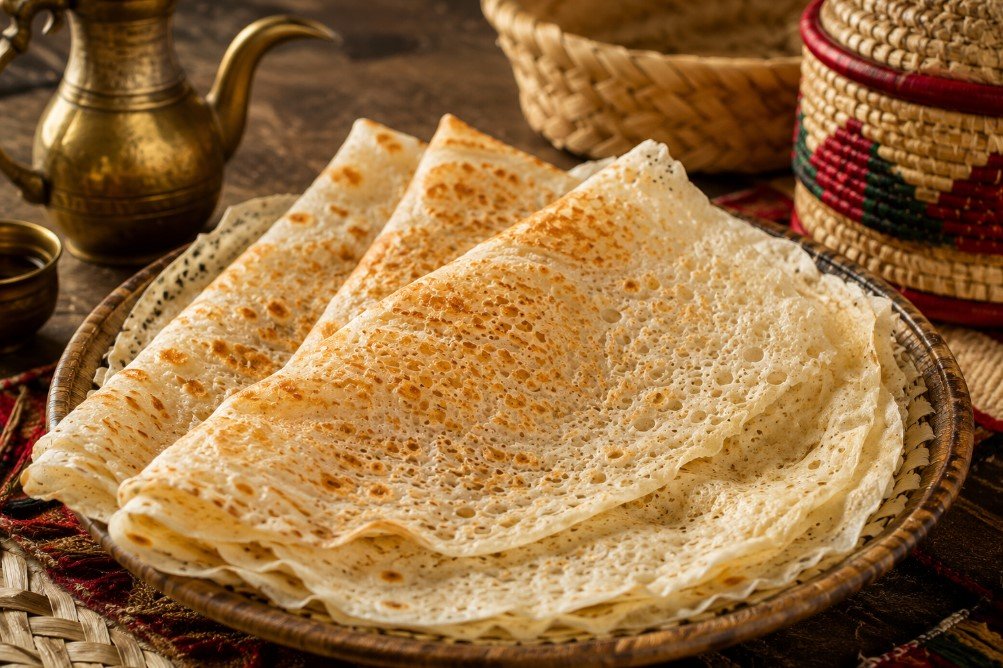
A thin, paper-crispy bread cooked on a circular iron griddle. Made to order, eaten immediately. Common at breakfast, often served with eggs, cheese, or date syrup. One of the most satisfying things to watch being made and to eat while still hot.
Chebab
Emirati pancakes, softer and thicker than regag, with a faint cardamom flavour. Typically served at breakfast with date syrup, cream cheese, or fresh cheese. The cardamom is what makes them identifiably Emirati rather than simply pancakes.
Luqaimat
Small, round dumplings made from a yeast batter, deep-fried until golden, then coated in date syrup or honey and sometimes sesame seeds. Served immediately, always hot. The gap between a fresh luqaimat and a sitting one is significant — order them when they’re available, eat them straight away.
Bezar
The spice blend that defines Emirati savoury cooking. The exact ratio varies by family and cook, but the core components are cardamom, cumin, cinnamon, black pepper, red pepper, fenugreek, and turmeric. It’s worth buying a bag from the Spice Souk in Deira to understand what you’re tasting in the dishes — and to use at home.
Practical Notes for First-Time Visitors
Where most of the best restaurants are
Al Fahidi Historical Neighbourhood, in Bur Dubai, contains four of the ten entries on this list and is the most concentrated area for Emirati dining in the city. It’s also the best-preserved historic district in Dubai, which means a meal there works naturally as part of a longer afternoon. Al Seef, directly adjacent, adds two more. A taxi or metro from virtually any part of the city reaches this area in under 30 minutes.
Dress code
Emirati restaurants don’t generally enforce dress codes beyond the basic modesty standards that apply across Dubai’s public spaces. Covered shoulders and no beachwear is a reasonable rule. At the SMCCU cultural meal specifically, modest dress is appreciated as a matter of cultural respect rather than enforcement.
Pricing
Emirati food is not the most expensive cuisine in Dubai. A full meal including starters, mains, bread, and dessert at most of the restaurants on this list runs between AED 80 and AED 180 per person. Al Khayma and Al Fanar’s Creek branch sit at the higher end of that range; HumYum and Al Bait Al Qadeem at the lower. None of them are as expensive as the international-brand restaurants that occupy most tourist lists.
What to drink
All the restaurants on this list are alcohol-free. Karak tea — strong, sweet, made with evaporated milk and cardamom — is the house drink at most of them and worth ordering. Arabic coffee (unsalted, lightly roasted, flavoured with cardamom and sometimes rosewater) is served at the start or end of a meal as a hospitality gesture rather than a beverage you pay for separately. Fresh juices, laban (a thin, salted yoghurt drink), and various herb teas round out the options.
Where to Start
If you only have one meal to spend on Emirati food, Al Khayma Heritage Restaurant in Al Fahidi is the most complete single experience the city offers — the food, the service, the setting, and the Michelin recognition all align in a way that’s rare. If you want to understand the cuisine across a longer visit, the combination of Al Khayma for an evening meal, SMCCU for a cultural breakfast, and SMAT for a casual morning in D3 gives you three genuinely different angles on the same food tradition.
The broader point is simpler: the food exists, it’s good, and most visitors leave without trying it. Dubai’s dining scene is enormous and the marketing noise around it is even louder, but somewhere underneath the rooftop bars and the celebrity chef residencies is a cuisine that actually belongs to the city. These ten restaurants are where to find it.
Frequently Asked Questions (FAQ)
What exactly is “Slow Food” in the Emirati context?
In the UAE, slow food refers to dishes that require long simmering, fermenting, or underground roasting. This includes Harees, Saloona, and Machboos, where the goal is to develop deep, complex flavors that cannot be achieved through quick frying or grilling.
Is Emirati food very spicy?
Emirati food is aromatic and flavorful but generally not “hot” like some Indian or Thai cuisines. It uses warm spices like saffron, cardamom, and turmeric. If a dish is spicy, it usually comes from a side of Daqus (hot sauce) that you can add according to your preference.
Are these restaurants vegetarian-friendly?
While traditional Emirati cuisine is meat-heavy, dishes like Thareed can be made with vegetables, and there are many delicious sides like Fattoush and Lentil Soup. However, it is always best to check with the restaurant beforehand if you have strict dietary requirements.
Do I need to book a table at these spots?
For heritage spots like Al Khayma or the SMCCU, booking is highly recommended. For neighborhood favorites like Al Jawareh or Harees Al Fareej, you can usually walk in, though they get very busy during Friday lunch and Ramadan.
Conclusion
Exploring the traditional Emirati “slow food” spots tourists always miss is a journey into the history and hospitality of the UAE. These restaurants offer a counter-narrative to the fast-paced, high-tech image of Dubai, proving that the most enduring flavors are those that take the most time to prepare. Whether you are sitting in a restored heritage house in Al Fahidi or a local cafeteria in Al Khawaneej, you are tasting a legacy that has been simmered to perfection over centuries.
Disclaimer: The selections featured in this guide are independently curated based on culinary authenticity, local popularity, and overall dining experience. While all details—including menus, pricing, and operating hours—were accurate at the time of publication, we recommend checking directly with each restaurant before visiting, as these details can change. This post is for informational purposes and is not dynamically sponsored by any of the venues mentioned.