
Best Plastic-Free Swaps in Dubai. Smart, Sustainable Alternatives for a Cleaner Dubai.
Dubai has always been a city of grand visions, but in 2026, the focus has shifted from the heights of our skyscrapers to the health of our streets and seas. The “Year of the Family” initiative, officially declared by UAE President His Highness Sheikh Mohamed bin Zayed Al Nahyan, has placed a spotlight on the world we are leaving for the next generation. At the heart of this movement is a bold commitment to sustainability that touches every household.
If you have stepped into a coffee shop or ordered a late-night Talabat recently, you’ve likely noticed a massive shift in how Dubai operates. As of January 1, 2026, the UAE has officially entered the final phase of its single-use plastic ban.
We aren’t just talking about grocery bags anymore. The ban now covers plastic plates, beverage cups, stirrers, and those ubiquitous plastic lids. While the city adapts, the “new luxury” in Dubai isn’t just about what you buy—it’s about how sustainably you live.
For residents and businesses alike, this shift is not just a regulation—it is an opportunity to rethink daily habits, reduce waste, and contribute to a cleaner, healthier city.
Understanding the Dubai Plastic Ban
Dubai’s plastic reduction measures are part of a broader UAE strategy to combat pollution, protect marine life, and support a circular economy. The regulations focus primarily on single-use plastic products, which are among the largest contributors to landfill and ocean waste.
What the Ban Targets
The policy framework is designed to dismantle the “throwaway” culture by targeting high-impact categories. While enforcement follows a strategic, phased timeline, the primary focus remains on:
- Single-use plastic shopping bags
- Disposable cutlery and food containers
- Plastic straws, cups, and lids
- Plastic packaging used once and discarded
The ban applies to the import, manufacture, and trade of these items, affecting retailers, restaurants, food delivery services, and everyday consumers. According to the Ministry of Climate Change and Environment, this measure aims to reduce waste, protect ecosystems, and support the UAE’s transition to a circular economy.
Why This Matters
- Plastic waste takes hundreds of years to decompose
- The UAE’s marine ecosystems are particularly vulnerable
- Waste reduction supports Dubai’s Net Zero and Circular Economy goals
This is not a sudden change. Dubai has intentionally given residents and businesses time to adapt—making now the ideal moment to act.
Why Acting Now Is Essential
Early adoption is more than just avoiding a soggy paper lid at a cafe; it is a strategic move for your lifestyle and wallet.
Acting now allows you to avoid fines that businesses face for repeated non-compliance. For consumers, the shift helps bypass the “green tariffs” often added to sustainable disposables. Most importantly, supporting local eco-friendly businesses now helps stabilize the market, making sustainable living more affordable for everyone in the long run.
The 10 Best Plastic-Free Swaps in Dubai You Need Right Now
Living sustainably in Dubai has evolved from a “nice-to-do” to a standard of living. With new regulations in place, making the switch isn’t just about being eco-conscious—it’s about choosing higher-quality products that actually make your day-to-day life easier.
Here are ten genius swaps to help you stay ahead of the curve.
1. High-Durability Jute Totes Over Plastic Bags
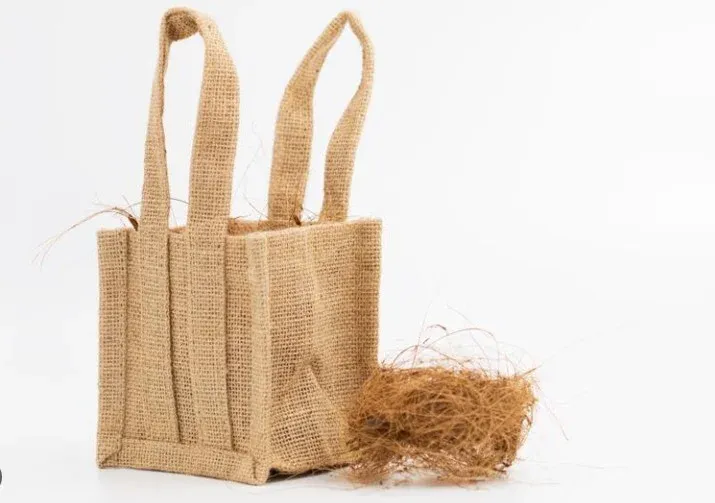
While the 2024 ban made plastic bags rare, the standard is all about quality. Moving away from flimsy “reusable” plastic and toward heavy-duty jute or recycled fabric is the way to go. These natural fibers handle heavy groceries without stretching or tearing.
- Pro Tip: Keep a “key-ring” foldable tote clipped to your keys or bag. It’s a lifesaver for those quick, unplanned stops at the neighborhood baqala.
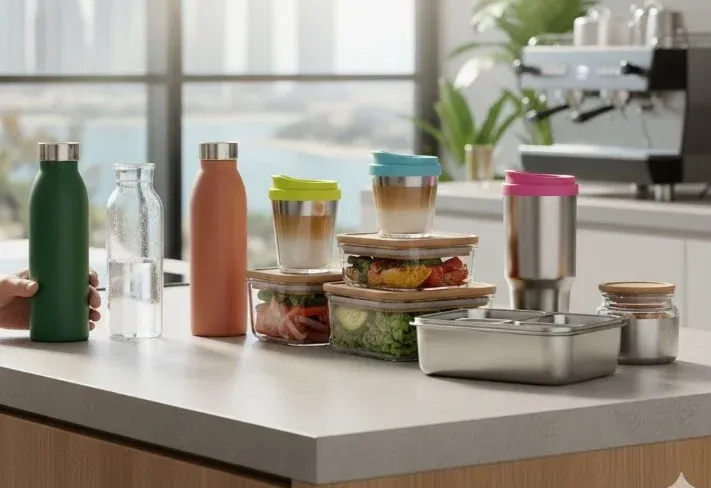
2. Triple-Insulated Bottles for the Desert Heat
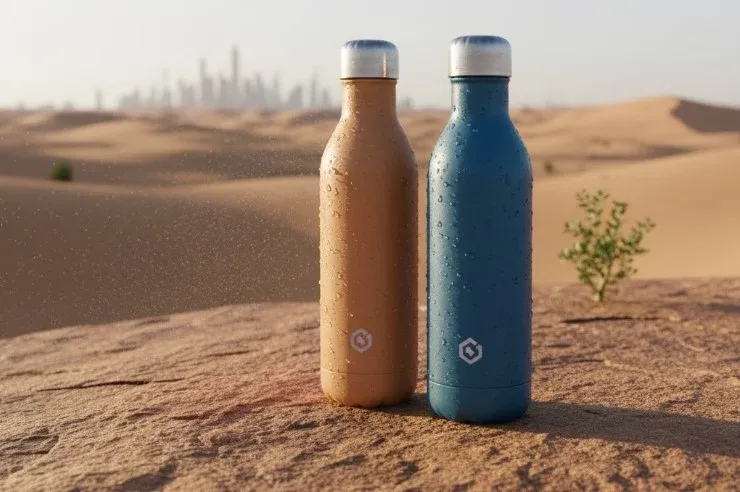
Switching to a stainless steel or glass bottle is a win-win. Not only do you save hundreds of single-use bottles a year, but you also get to enjoy ice-cold water in 40°C heat. High-end insulated bottles can keep drinks chilled for a full 24 hours.
- Local Hack: Download the Dubai Can app. It maps out free, chilled water refill stations all over the city, from kite beach to the malls.
3. Glass or Steel Food Containers
With plastic takeaway boxes becoming a thing of the past, investing in a set of borosilicate glass or stainless steel containers is essential. They don’t stain (goodbye, permanent pasta sauce marks!), they don’t leach chemicals when heated, and they look beautiful in your fridge. Many local cafes are now happy to fulfill “BYO container” requests for your morning oats or salad.
4. Beeswax Wraps (The Cling Film Killer)
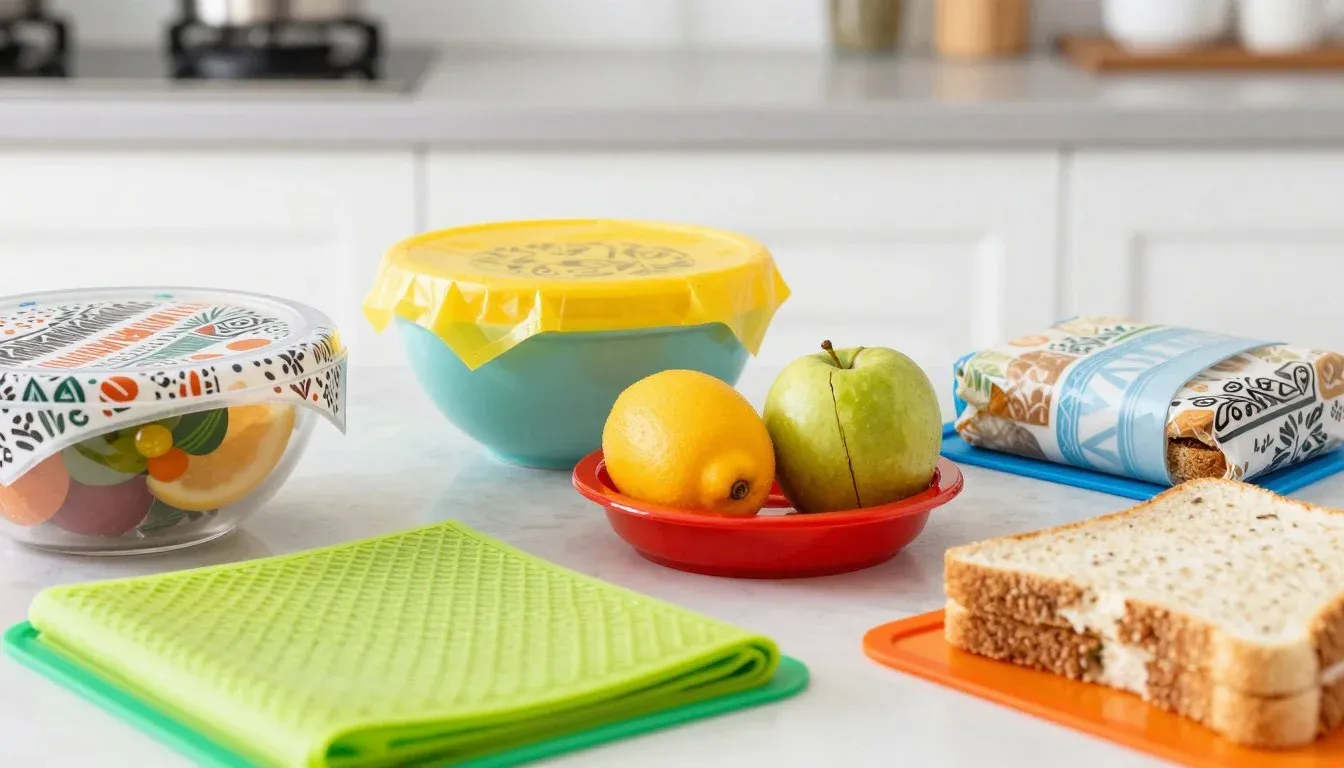
Cling film is notoriously difficult to recycle and often ends up in our oceans. Beeswax wraps are a brilliant alternative made from cotton, jojoba oil, and resin. The warmth of your hands helps the wrap mold to the shape of a bowl or half-cut fruit. They are naturally antibacterial and, unlike plastic, they let your food “breathe,” which actually keeps your produce fresher for longer.
5. Portable Cutlery Sets
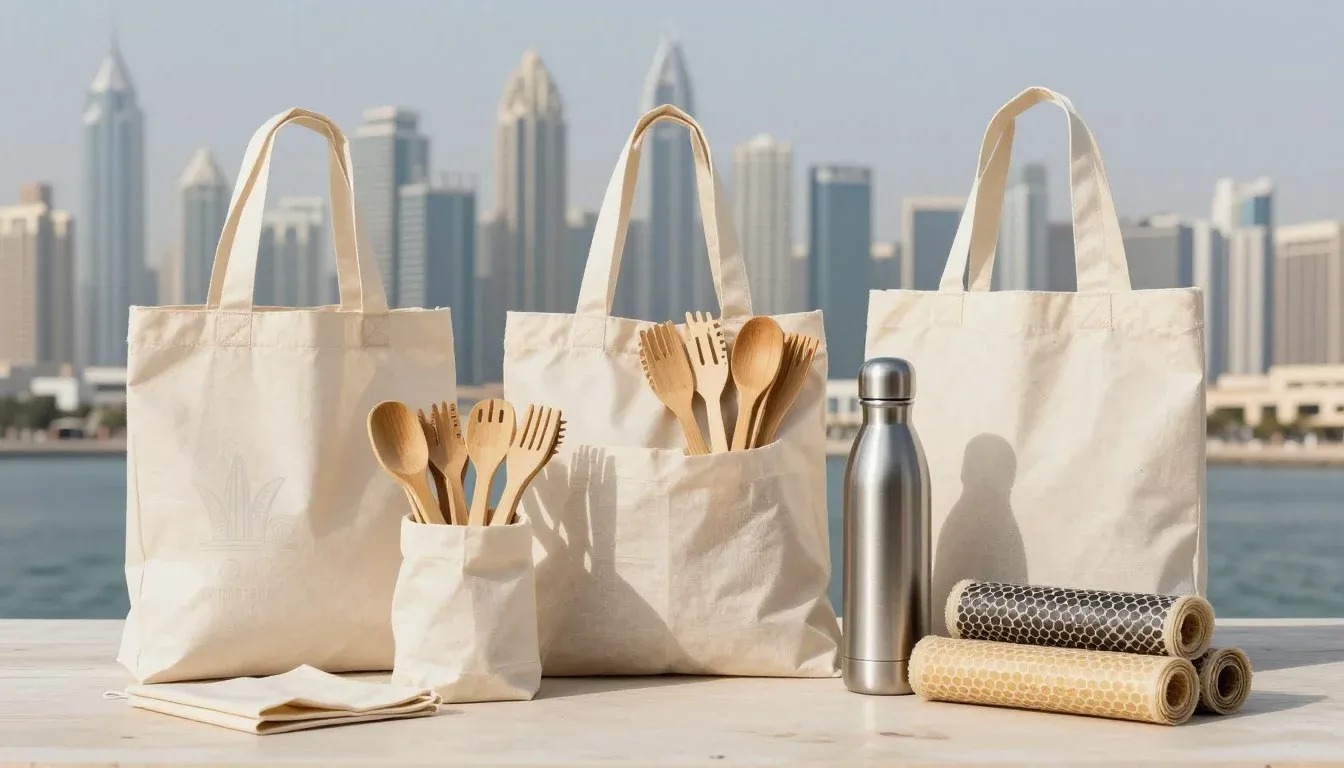
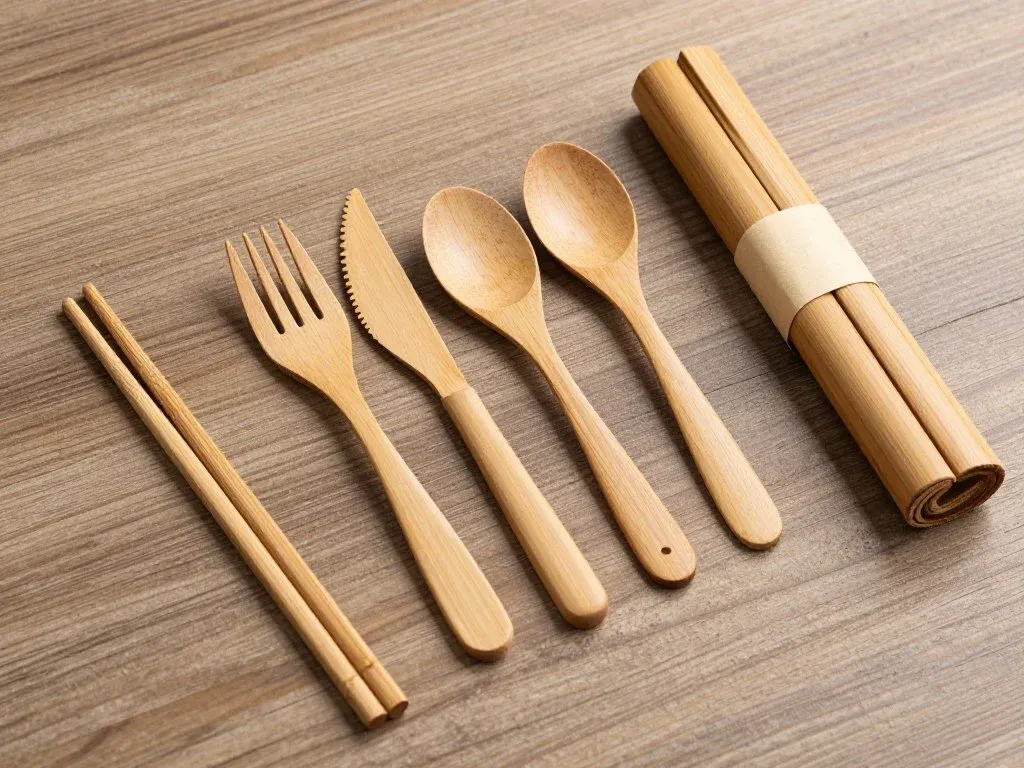
Disposable plastic cutlery is officially history. While many food courts have switched to wooden forks, they can often feel dry or flimsy. Carrying a slim bamboo or metal set in your work bag is a total game-changer. It’s more hygienic, feels more premium to eat with, and ensures you’re never stuck trying to eat a salad with a broken wooden spoon.
6. Refillable Cleaning Concentrates
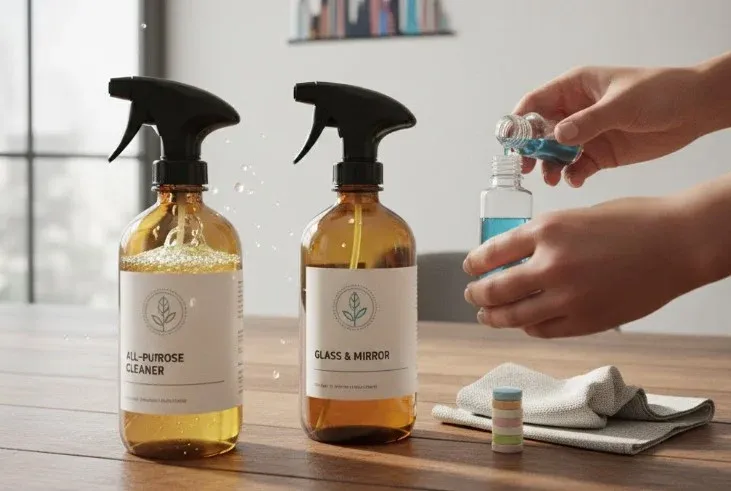
Standard cleaning sprays are mostly water packaged in a bulky plastic bottle. Brands like The Botanist have revolutionized this by offering gorgeous, “keep-forever” glass bottles. You simply buy the concentrated refill, add water at home, and drastically reduce your household’s plastic output. Plus, they look much better on your kitchen counter!
7. The “Naked” Toiletry Revolution
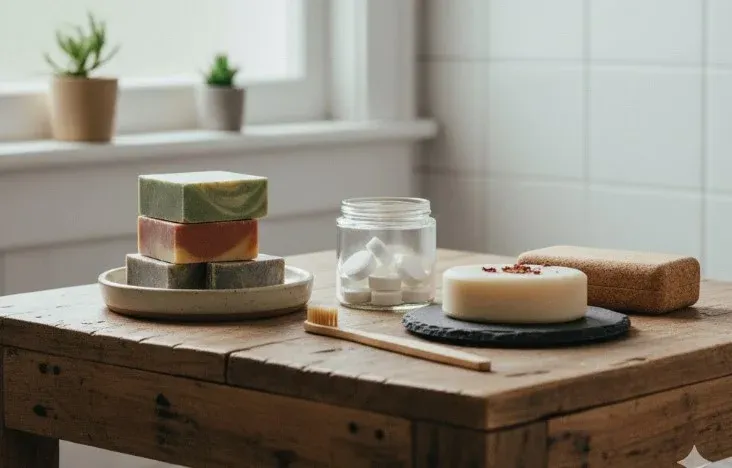
Solid bar soaps and shampoo bars have come a long way. The modern versions are incredibly hydrating and smell amazing. Since they aren’t liquid, they’re perfect for gym bags and travel—no more worrying about a shampoo explosion in your suitcase. Check out the “naked” range at Lush in Dubai Mall for products that skip the packaging entirely.
8. Silicone Stretch Lids and Bags
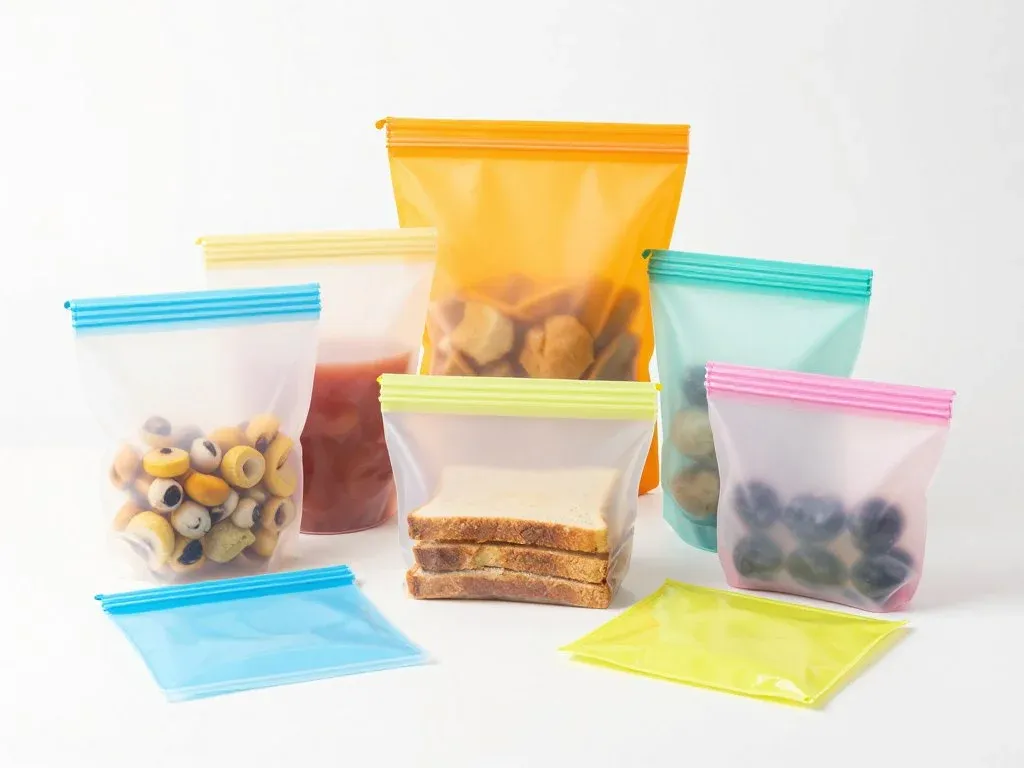
If you’re tired of losing tupperware lids, food-grade silicone covers are the answer. They stretch to fit almost any container, creating an airtight seal that’s far superior to plastic wrap. They’re also heat-resistant and dishwasher-safe, meaning you can use them in the freezer or the microwave without a second thought.
9. Certified Compostable Bin Liners
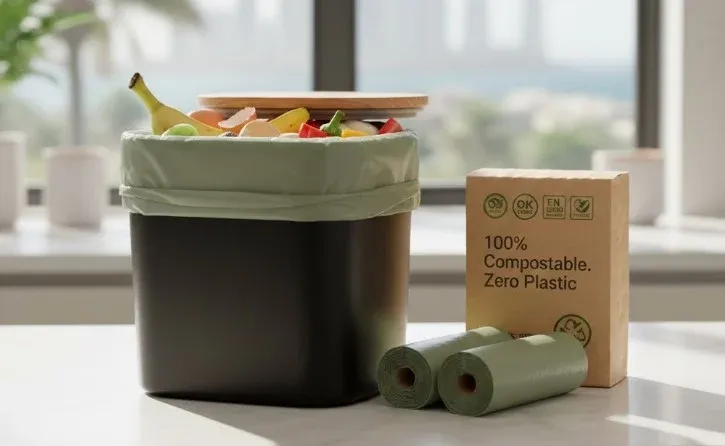
Even our trash bags are getting an upgrade. Traditional “biodegradable” bags often just break down into invisible microplastics. By switching to certified compostable liners, you ensure your waste management aligns with Dubai’s 2041 sustainability goals. They break down naturally, leaving no toxic trail behind.
10. Reusable Coffee Cups with Silicone Lids
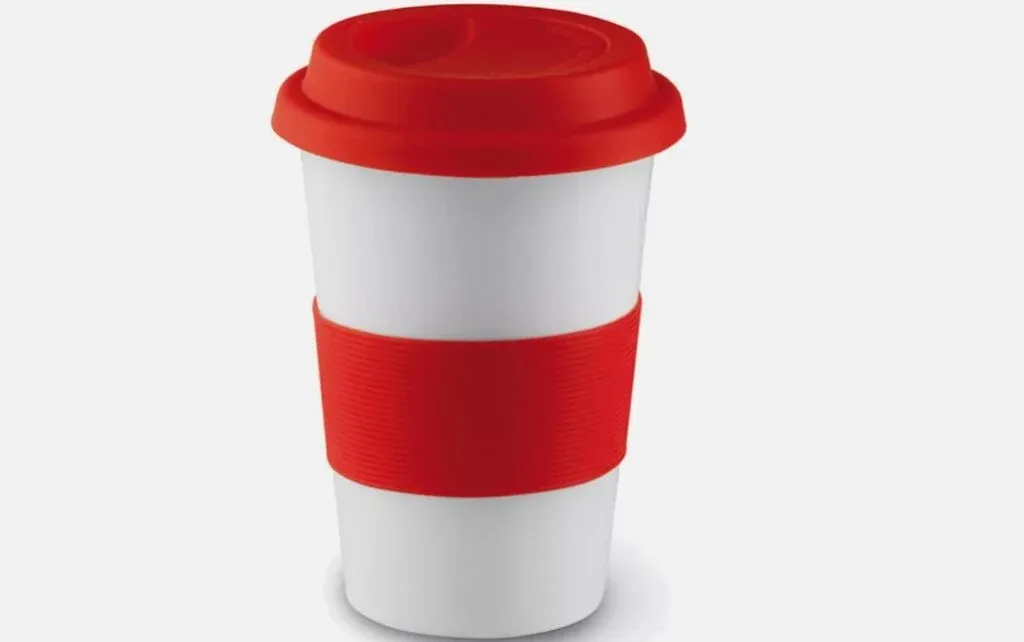
With the ban specifically targeting plastic beverage lids, you might find that the new paper alternatives can get a bit soggy. Carrying your own ceramic or glass cup ensures your morning latte tastes exactly the way it should. A medical-grade silicone lid provides a secure, leak-proof seal, making your commute much safer for your clothes and your car!
11. Palm Leaf Plates
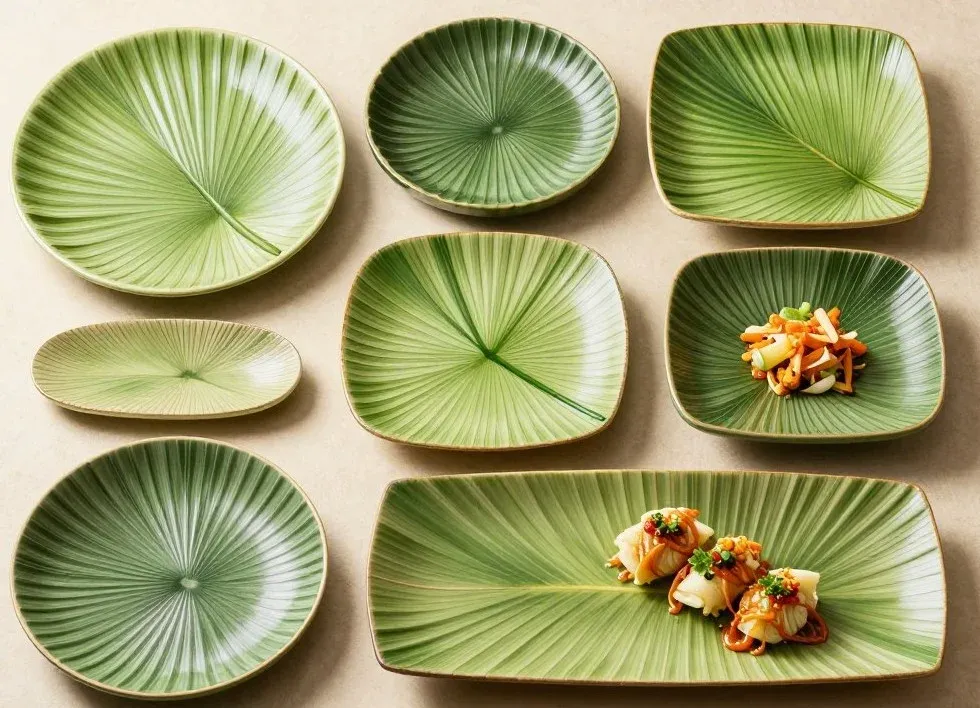
Palm leaf plates, made from naturally fallen areca palm leaves, provide a premium and environmentally responsible alternative to plastic tableware. Known for their natural elegance and strength, these plates are sturdy enough to hold heavy, wet, and hot foods without bending or leaking.
Increasingly favoured by event planners and caterers in Dubai, palm leaf tableware combines sustainability with visual appeal. The plates require no chemical processing or synthetic coatings and are fully biodegradable, typically decomposing naturally within a few months under composting conditions.
How Businesses Can Lead the Charge
Dubai’s business community serves as the backbone of this environmental transition. To navigate this shift successfully, companies are increasingly moving toward high-quality, plant-based materials like PLA or Bagasse. Sugarcane fiber (Bagasse), in particular, has emerged as a premier choice for takeaway packaging because it maintains its structural integrity even with hot or liquid-heavy meals, ensuring that quality is never sacrificed for compliance.
Beyond material swaps, the most effective strategy for retailers involves active consumer engagement. By implementing small incentives—such as a deduction from the bill for customers who provide their own containers—businesses can foster a culture of shared responsibility. Success in this new landscape depends on a transparent supply chain that strictly adheres to the standards outlined in the Dubai Municipality Awareness Guide, turning regulatory requirements into a mark of brand excellence.
Navigating Practical Hurdles
Adopting a plastic-free lifestyle in a fast-paced global hub requires a shift in logistics rather than a sacrifice of comfort. The most common obstacle is the “convenience gap,” which is easily bridged through the use of a dedicated kit. Placing a pre-packed bag containing a water bottle, tote, and cutlery set near the primary exit of a home or inside a vehicle eliminates the need for last-minute plastic reliance.
While sustainable alternatives often carry a higher initial price tag than disposables, the long-term financial logic is clear. These items represent a one-time capital investment that effectively cancels out the recurring “disposable fees” now common at checkout counters. Over time, the durability and superior performance of medical-grade silicone or reinforced glass offer a far better return on investment than any single-use item.
The 2041 Vision: A Sustainable Legacy
This city-wide initiative is a fundamental pillar of the Dubai Integrated Waste Management Strategy 2041. The removal of single-use plastics transcends simple waste reduction; it is a commitment to a circular economy. By choosing to innovate today, Dubai is cementing its reputation as a global leader that balances rapid urban growth with a deep, systemic respect for the natural world. This transition ensures that the city remains as pristine as the vision driving its future.
Related : 1 Billion Followers Summit Dubai : 8 Can’t-Miss Highlights