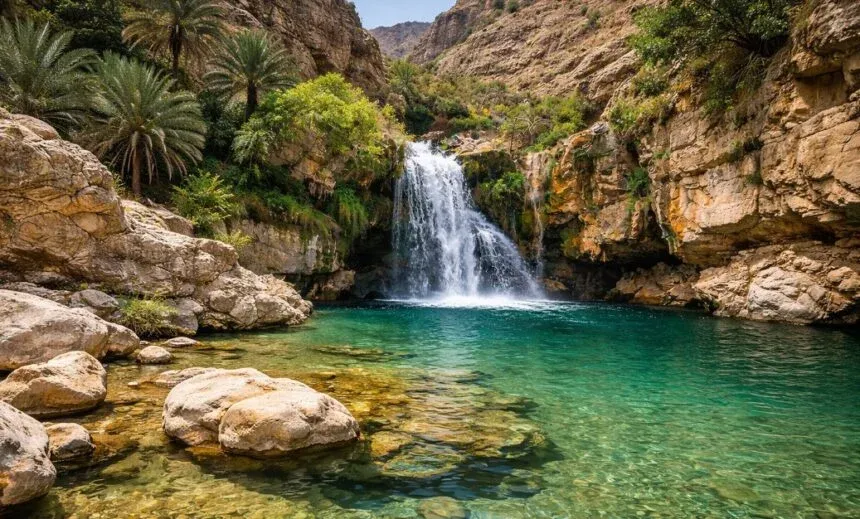
While the UAE is famous for its man-made wonders, the true magic of the Emirates lies hidden within the craggy folds of the Hajar Mountains. For those willing to trade the shopping mall for a pair of sturdy hiking boots, the rewards are breathtaking: turquoise pools, emerald greenery, and seasonal waterfalls that appear like desert miracles after a heavy rain. As we move through 2026, many popular outdoor spots have introduced entry fees or permit requirements, but a few pristine locations remain open to the public without a price tag. Finding the top hidden waterfalls and wadis you can still visit for free is the ultimate goal for any budget-conscious adventurer looking to reconnect with nature.
The “wadi season”—typically from October to April—is the best time to explore these natural treasures. During these months, the cooler temperatures make the rugged terrain manageable, and the occasional rainfall transforms dry rocky beds into flowing streams. It is important to remember that these are wild spaces; “free” access comes with the responsibility of leaving no trace and respecting the fragile mountain ecosystems. Whether you are seeking a family-friendly walk or a challenging mountain scramble, these eight spots offer a refreshing escape into the UAE’s wild side.
1. Wadi Abadilah (Fujairah)
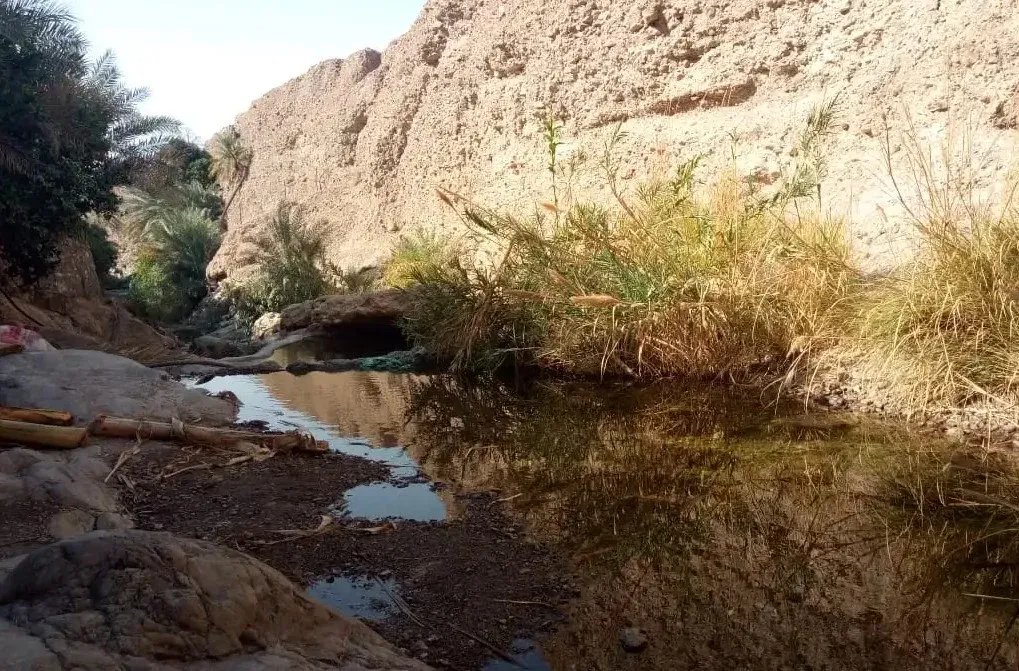
Wadi Abadilah is arguably the most “lush” experience you can have in the UAE without a ticket. Tucked away in the mountains of Fujairah, this wadi is a perennial favorite for those who love greenery. Unlike the rocky, barren landscapes often associated with the region, Abadilah is home to small farms growing bananas, mangoes, and dates. The trail leads you through a series of running streams and small, clear pools that are perfect for a refreshing dip.
The beauty of Abadilah is that it feels like an oasis in the truest sense of the word. Because it is slightly off the beaten path compared to the more famous Wadi Showka, it remains relatively quiet on weekdays. It is a fantastic spot for a family picnic, provided you are willing to navigate some slippery rocks. This is “slow travel” at its finest—wandering through the orchards and listening to the sound of water trickling over the stones.
2. Wadi Shees (Sharjah/Khorfakkan) among best Wadis UAE
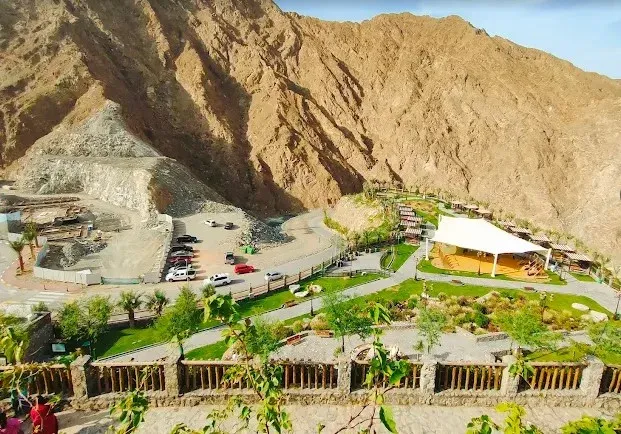
Wadi Shees is a testament to the UAE’s incredible efforts in preserving natural heritage. Located near the village of Shees in the Sharjah enclave on the East Coast, this wadi features a beautifully restored irrigation system (Falaj) that feeds into lush palm groves. While there is a manicured park nearby, the real magic lies in the natural hiking trails that wind through the mountains, leading to small pools and seasonal waterfalls that cascade after the winter rains.
The drive to Wadi Shees is an experience in itself, taking you through the impressive Khorfakkan tunnels. Once there, you can spend hours exploring the ancient rock formations and the greenery that clings to the valley floor. It is one of the best-maintained hidden wadis you can still visit for free, offering a perfect blend of accessibility and rugged natural beauty.
3. Wadi Ghalilah (Ras Al Khaimah)
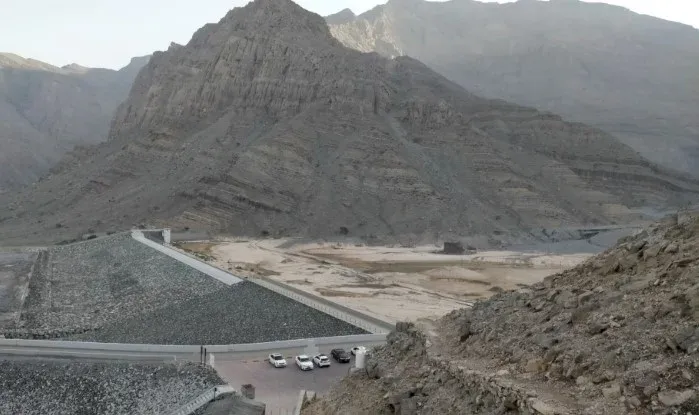
Known as the “Stairway to Heaven” among serious hikers, Wadi Ghalilah is home to some of the most dramatic mountain scenery in the Emirates. This isn’t a place for a casual stroll; it is a deep, limestone gorge that offers a steep and rewarding climb. The “waterfall” here is strictly seasonal—a magnificent sight that appears only after heavy rainfall, plunging down the sheer cliff faces into the valley below.
Even when the waterfall isn’t flowing, the sheer scale of the Ghalilah dam and the surrounding peaks is humbling. It is a popular spot for campers who want to wake up surrounded by clouds and silence. Because of its location in the far north of Ras Al Khaimah, it feels worlds away from the urban sprawl of Dubai, offering a raw and unfiltered mountain experience.
4. Wadi Al Bih (Ras Al Khaimah)
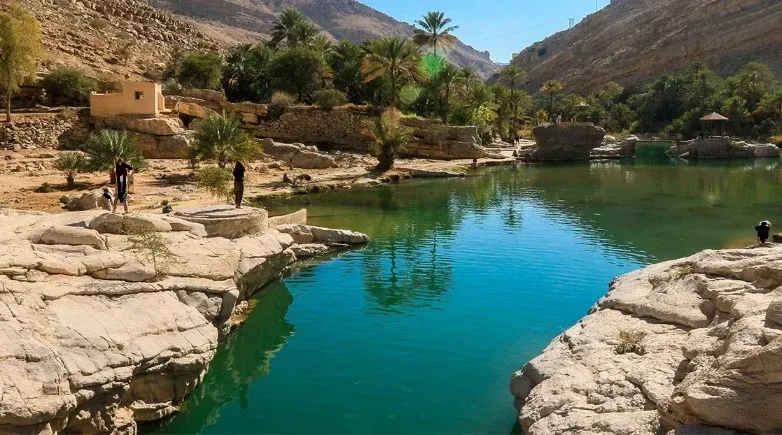
Often referred to as the “Grand Canyon of the UAE,” Wadi Al Bih is a vast, ancient riverbed that carves through the Musandam mountain range. This is a favorite for mountain bikers and off-roaders, but it is equally rewarding for those on foot. The sheer height of the canyon walls provides much-needed shade, making it a great spot for a long, unhurried trek.
During the rainy season, the valley floor transforms into a network of streams and temporary ponds. The area is rich in fossils and unique rock formations, making it a playground for amateur geologists. It remains free to enter, though you should always check the weather forecast before heading in, as the canyon is prone to flash flooding during storms.
💡 A Special Note: Chasing the UAE’s “Seasonal” Waterfalls
It is important to manage expectations: in the desert, waterfalls are a rare and beautiful event. Unlike tropical destinations, the waterfalls in these wadis are seasonal. They are most active immediately following rainfall in the Hajar Mountains (typically between November and March).
To see the falls in their full glory, the “sweet spot” is usually 24 to 48 hours after a storm. If you visit during a dry spell, you will still find stunning canyons, deep pools, and lush greenery, but the vertical falls themselves may be reduced to a trickle or be completely dry. This “now-you-see-it” nature is exactly what makes finding them so special for those who time it right!
5. Wadi Shawka (Ras Al Khaimah)
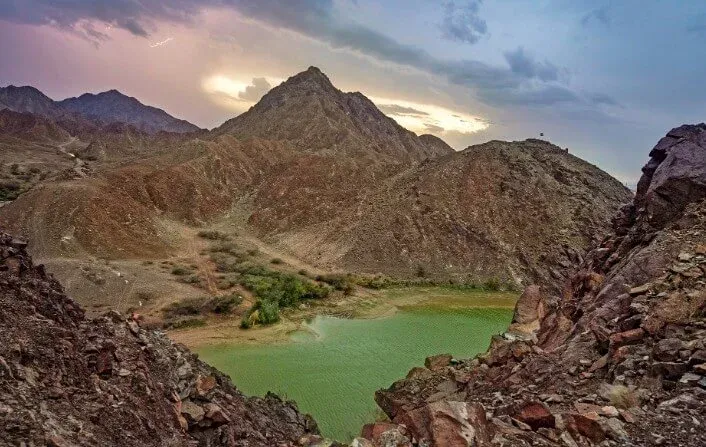
Wadi Showka is perhaps the most famous on this list, but for good reason. Despite its popularity, access to the natural trails and the Shawka Dam remains free. The area features a variety of routes, from easy walks along the dam’s edge to more strenuous “wading” through the pools deeper in the canyon. After a good rain, the overflow from the dam creates a series of small waterfalls and lush meadows.
What makes Shawka special is the diversity of the landscape. One moment you are on a rocky ridge with panoramic views, and the next you are in a narrow gorge surrounded by reeds and dragonflies. It’s the perfect “entry-level” wadi for those new to UAE hiking, providing enough infrastructure to feel safe but enough wilderness to feel like an escape.
6. Wadi Naqab (Ras Al Khaimah)
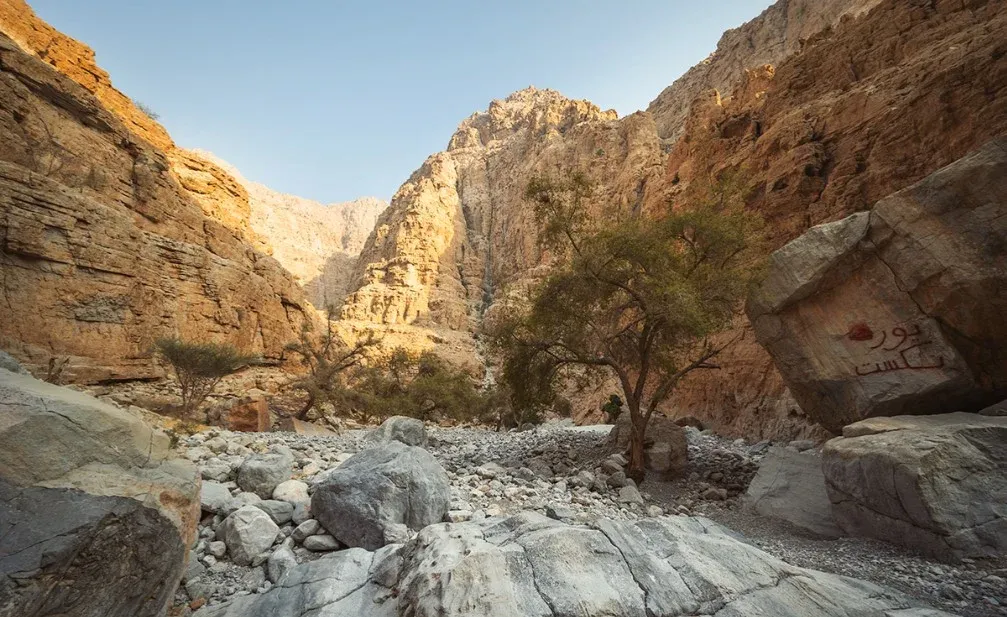
Wadi Naqab is a hidden gem for those who enjoy “bouldering” and exploring narrow slot canyons. The trail takes you deep into the Hajar Mountains, where the walls eventually close in to form spectacular narrow passages. In the winter, these shaded sections often hold water for weeks, creating deep, cool pools that feel like secret swimming holes.
The red-tinted rocks of Naqab are particularly beautiful at sunset, glowing with an almost otherworldly light. It is a quiet, contemplative spot that requires a bit more effort to reach than the roadside wadis, which ensures it stays peaceful. It is one of the most rewarding hidden waterfalls and wadis you can still visit for free if you’re looking for a sense of isolation.
7. Wadi Wurayah (Fujairah – Buffer Zone)
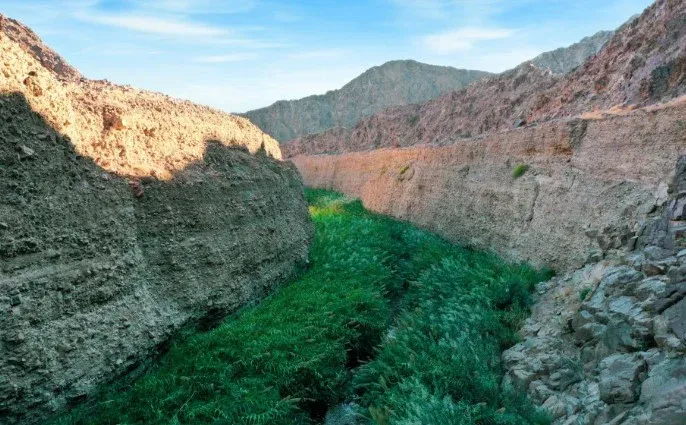
Wadi Wurayah is a UNESCO-protected Biosphere Reserve and home to the UAE’s most famous permanent waterfall. While the core “waterfall” area is currently under restricted access for conservation purposes, the surrounding buffer zones and hiking trails remain open to the public for free. These trails allow you to experience the unique flora and fauna of the region, including the rare Arabian Tahr and various orchids.
Hiking in the Wurayah area gives you a glimpse into why this ecosystem is so vital to the UAE. The water here is incredibly pure, supporting a level of biodiversity rarely seen elsewhere in the country. By sticking to the designated free trails, you can still enjoy the fresh mountain air and the sight of water-sculpted rocks that define this protected landscape.
8. Wadi Al Sena (Ras Al Khaimah)
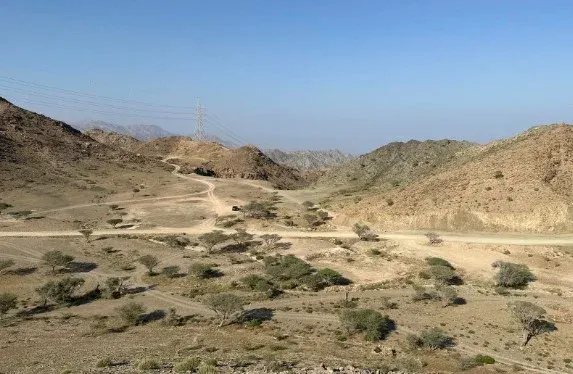
Wadi Al Sena is often overlooked in favor of its more famous neighbors, making it a true “hidden” gem for those who value solitude. Located in the craggy mountains of Ras Al Khaimah, this wadi is famous for its wide, expansive views and a plateau that looks like it belongs in a cinematic epic. After a good rain, the water collects in deep rocky pockets, and small, silvery waterfalls trickle down the tiered cliffs.
What makes Al Sena stand out is the sense of height and space. The trail takes you upward, offering a panoramic perspective of the Hajar range that few other free spots can match. It’s a favorite for “slow hikers” who enjoy stopping to photograph the unique rock formations and the hardy desert flora that clings to the limestone. Because it is less crowded, it remains one of the cleanest and most peaceful wadis in the northern emirates.
9. Wadi Koob (Ras Al Khaimah)
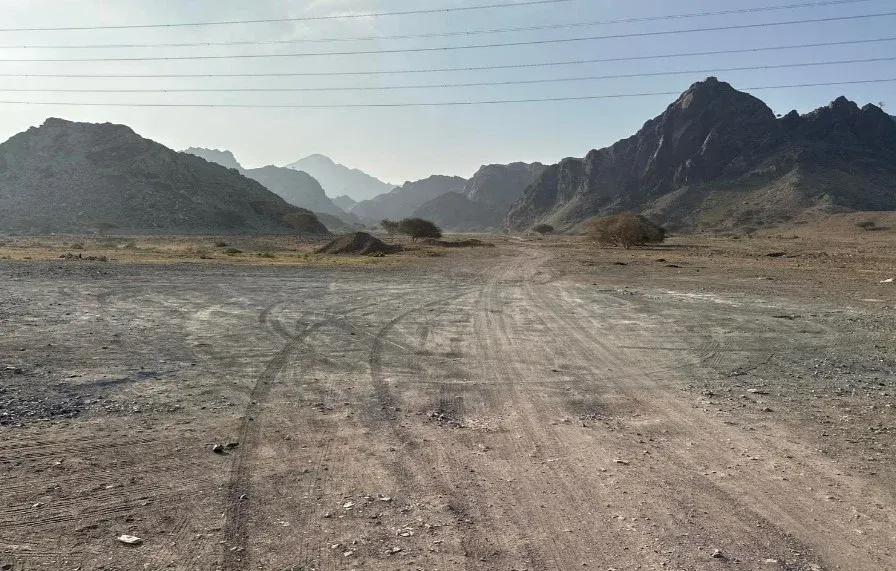
Wadi Koob is a local favorite that remains largely under the radar for international tourists. Located in a rugged valley in Ras Al Khaimah, this wadi is a spectacular display of the Hajar Mountains’ hidden life. It is particularly famous for its traditional stone houses and the ancient graveyard nearby, but the real draw is the water. After the winter rains, the wadi bed transforms into a flowing river, creating small, tiered waterfalls that spill over the dark, volcanic rocks.
The hike here is relatively accessible, making it a great choice if you aren’t looking for a vertical mountain climb. The path follows the winding watercourse, leadings to deep, shaded pools where the water stays cool well into the spring. Because the valley is wide, it catches a significant amount of runoff, meaning the “waterfall” effect lasts a bit longer here than in the steeper, narrower canyons. It is a serene, picturesque spot that perfectly captures the “Slow Food” pace of the Emirates’ natural world.
Safety and Etiquette for Wadi Exploring
Exploring the UAE’s wadis is an incredible experience, but it requires preparation. Unlike city parks, these areas have no lifeguards, no shops, and often no phone signal.
- Watch the Weather: Flash floods are a real and dangerous threat. Never enter a wadi if rain is forecast anywhere in the Hajar Mountains, even if the sky above you is clear.
- Footwear is Key: Rocks in the wadis can be incredibly sharp or dangerously slippery. Wear proper hiking shoes with good grip.
- Keep it Clean: There are no trash cans in the wild. Whatever you bring in, you must take out.
- Respect Local Privacy: Many wadis run near residential farms. Be respectful of the local community, keep noise levels down, and dress modestly when passing through villages.
- Terrain Preparedness: Most areas lack mobile signal. Carry 1L of water per hour, wear sturdy hiking boots, and ensure your vehicle is suited for the terrain.
Frequently Asked Questions (FAQ)
Do I need a 4×4 to visit these wadis?
For some, like Wadi Showka or Wadi Shees, a sedan can get you to the starting point. However, for deeper explorations into Wadi Al Bih or Wadi Ghalilah, a 4×4 with high clearance is highly recommended to navigate the rocky terrain safely.
Is the water in the wadis safe to swim in?
Generally, yes, the water in flowing wadis is clean. However, avoid stagnant pools (water that isn’t moving), as they can harbor bacteria. Always check the depth before jumping, as underwater rocks can be hidden.
What is the best time of day to visit?
Start as early as possible—ideally reaching the wadi by 7:00 AM. This allows you to beat the heat of the midday sun and enjoy the trails before the afternoon crowds arrive.
Are there toilets or facilities at these locations?
Most of these “free” spots have no facilities. Wadi Shees and Wadi Showka have parks nearby with toilets, but for the others, you should be prepared to be fully self-sufficient.
Conclusion
The Hajar Mountains offer a side of the UAE that many tourists never see—a world of ancient rock, life-giving water, and profound silence. By visiting these 8 hidden waterfalls and wadis you can still visit for free, you are choosing an adventure that is as authentic as it is beautiful. These spaces are a reminder that even in a city as fast-paced as Dubai, nature is only a short drive away, waiting to offer a moment of unhurried peace.
Discover more from DubiTop
Subscribe to get the latest posts sent to your email.