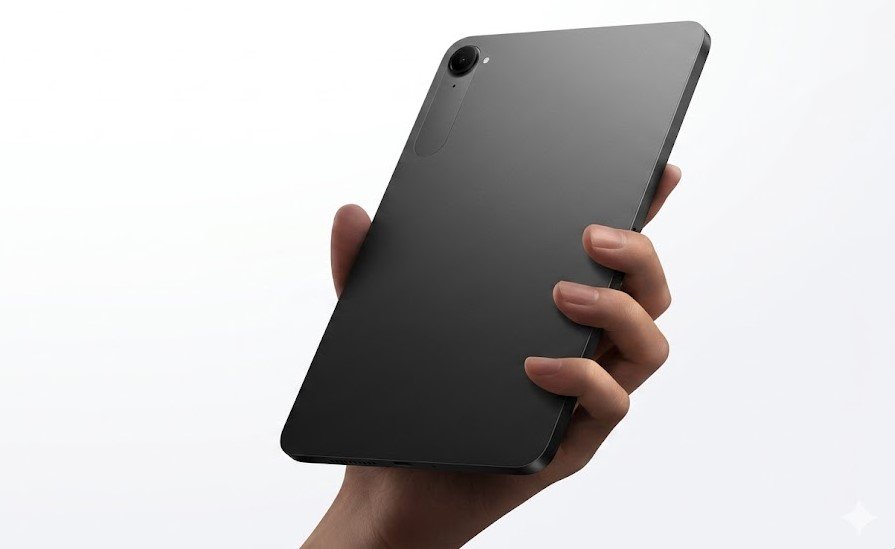
If you’ve been watching the Android tablet market over the past two years, you’ll have noticed something quietly remarkable: Xiaomi has been eating everyone’s lunch. While Samsung charges flagship money for mid-range chips and Apple keeps raising the entry price of its base iPad, Xiaomi has been relentlessly packing flagship-grade screens, fast processors, and enormous batteries into tablets that cost half — sometimes a third — of what the competition charges.
Xiaomi released the Pad 8 at MWC to global audiences, cementing its position as the king of value Android tablets. But with five genuinely compelling options now on the market — ranging from a lean 579 AED equivalent budget pick to a near-iPad-Pro contender — the question isn’t whether to buy a Xiaomi tablet. It’s which one.
That’s exactly what this guide answers. We’ve spent time with each device, dug into the spec sheets, cross-referenced hands-on reviews from AndroidCentral, TechAdvisor, NotebookCheck, GSMArena, and PhoneArena, and distilled everything into one comprehensive, opinionated buyer’s guide.
Whether you’re a student, a remote worker, a gamer, or someone who just wants a great screen to watch Netflix on — there’s a Xiaomi tablet in this list made for you.
Quick-glance comparison of the Top 6 Xiaomi tablets
Best Xiaomi Tablets UAE
| ⚡ MODEL | 📱 DISPLAY & VISUALS | 🧠 THE BRAIN (CHIP) | 🔋 POWER & CHARGE | 🚀 KEY EDGE |
| XIAOMI PAD 8 PRO | 11.2″ · 3.2K · 144Hz | SD 8 Elite (3nm) | 9200mAh + 67W | The Laptop Killer |
| REDMI K PAD 2 | 8.8″ · 3K · 165Hz | Dimensity 9500 (3nm) | 9100mAh + 67W | Compact Gaming King |
| XIAOMI PAD 8 | 11.2″ · 3.2K · 144Hz | SD 8s Gen 4 (4nm) | 9200mAh + 45W | PC-Level Productivity |
| XIAOMI PAD 7 PRO | 11.2″ · 3.2K · 144Hz | SD 8s Gen 3 | 8850mAh + 67W | Fast Charge & High-End |
| XIAOMI PAD 7 | 11.2″ · 3.2K · 144Hz | SD 7+ Gen 3 | 8850mAh + 33W | All-Rounder Value |
| REDMI PAD 2 PRO | 12.1″ · 2.5K · 120Hz | SD 7s Gen 4 | 12000mAh + 27W | Huge Screen & Battery |
| REDMI PAD 2 | 11.0″ · 2.5K · 90Hz | Helio G100U | 9000mAh + 18W | Essential & Budget |
Why Xiaomi Dominates the Android Tablet Market
It’s worth stepping back and asking: why are we talking about Xiaomi and not Samsung? After all, Samsung has been making Android tablets since the original Galaxy Tab in 2010 and has a far larger global retail footprint.
The answer is value density. Samsung’s Galaxy Tab S11 is an excellent tablet, but it costs significantly more than the Xiaomi Pad 8 while offering a narrower set of daily-use advantages. Xiaomi’s secret weapon has always been its willingness to accept razor-thin margins on hardware while making money from its software ecosystem — a strategy borrowed directly from early Xiaomi phone days.
Here’s what Xiaomi consistently delivers that competitors don’t at these price points:
- High-resolution IPS LCD panels (3.2K on the Pad series, 2.5K on the Redmi line) with genuine Dolby Vision and HDR10 support
- Fast processors — often Snapdragon flagships or near-flagships — at mid-range prices
- Quad speakers with Dolby Atmos, a feature you’ll find absent on many budget and mid-range rivals
- Genuinely large batteries (8,850mAh to 12,000mAh depending on model)
- A complete accessories ecosystem: stylus, floating keyboard, magnetic covers — all working out of the box
- HyperOS 3 — a polished, customizable Android skin with desktop mode, Gemini AI integration, and multi-window tools
There are trade-offs — we’ll be honest about those throughout this guide. But if you’re shopping for a non-Apple tablet with real-world utility and value, Xiaomi is where the conversation starts.
1. Xiaomi Pad 8
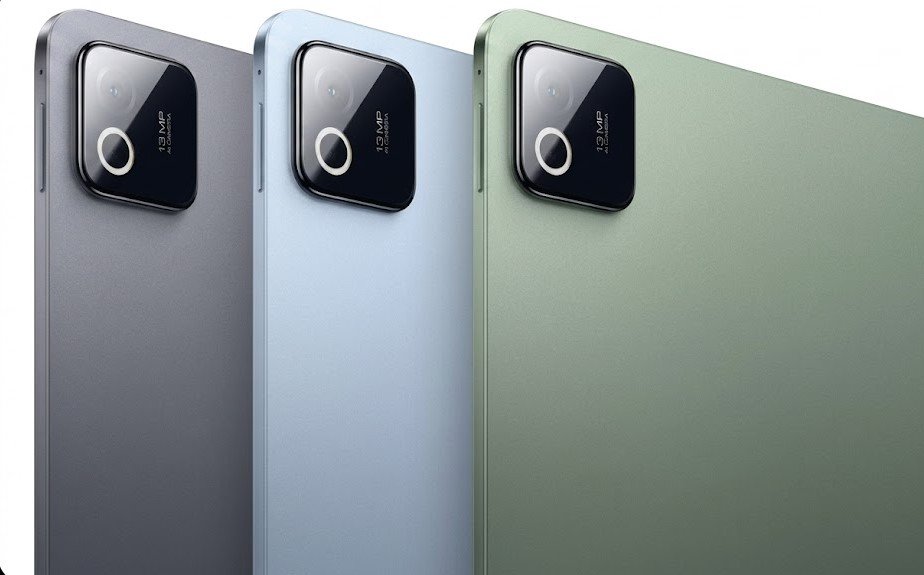
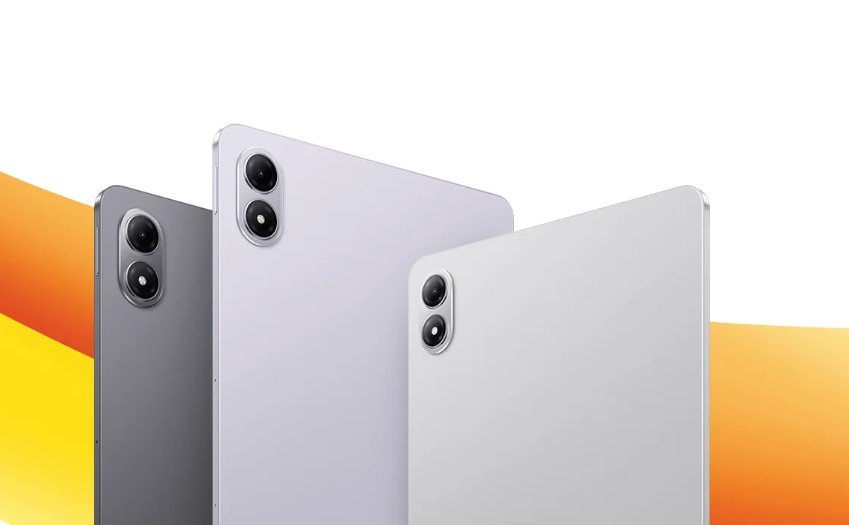
Xiaomi Pad 8 — Available in Pine Green, Blue, and Gray
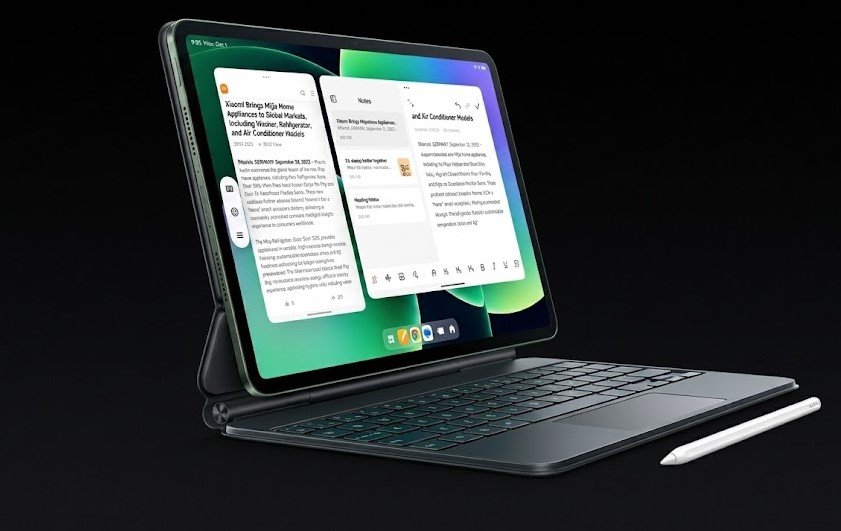
The Xiaomi Pad 8 is the headline act . Announced at MWC in late February and already on sale in Europe (with broader markets following in March), it takes everything that made the Pad 7 an award-winning tablet and upgrades the only thing that truly mattered: the chip.
Where the Pad 7 used Qualcomm’s mid-range Snapdragon 7+ Gen 3, the Pad 8 steps up to the Snapdragon 8s Gen 4 — the same processor found in the Nothing Phone (3) and a handful of Android flagships. That jump in class means the Pad 8 isn’t just a good tablet for its price; it’s a powerful tablet, full stop.
AndroidCentral’s Senior Editor Harish Jonnalagadda, who tested the Pad 8 for a full month, called it the ideal mid-range tablet , praising its powerful internals, huge battery, vibrant 11.2-inch panel, and useful software features. TechAdvisor awarded it their ‘Best Value Tablet’ endorsement, noting that it’s hard to find a better value tablet with this level of hardware and features.
Display
Xiaomi hasn’t changed the screen specs from the Pad 7, and frankly, they didn’t need to. The 11.2-inch IPS LCD runs at 3,200 × 2,136 pixels (3:2 aspect ratio, 345 ppi) with a 144Hz refresh rate and a 360Hz touch sampling rate. Dolby Vision, HDR10, DCI-P3 color coverage, and 800 nits peak brightness round out a display that, in everyday use, is hard to fault for the price.
The 3:2 aspect ratio is a deliberate productivity play — it gives you more vertical space than a standard 16:10 screen, making it comfortable for reading documents, browsing, and working in split-screen. It’s also the same ratio Apple uses on the iPad — and there’s a reason Apple uses it.
One noted caveat: the auto-brightness algorithm can sometimes leave the screen darker than ideal during video playback. TechAdvisor’s Tom Bedford mentioned manually adjusting brightness made content look significantly better. This is a minor software quirk, not a hardware limitation.
Performance
The Snapdragon 8s Gen 4 is built on a 4nm process with a peak CPU core clocked at 3.21GHz and an Adreno 825 GPU. In practice, this translates to a tablet that handles everything from 4K video editing in CapCut, to demanding 3D gaming in Genshin Impact or Wuthering Waves, to smooth 144Hz multitasking — all without sustained thermal throttling.
Benchmark-wise, the 8s Gen 4 posts around 30–35% higher CPU performance and roughly 40% higher GPU performance versus the 7+ Gen 3 in the Pad 7 (Geekbench 6 / GFXBench comparisons). For a tablet at this price, that’s genuinely exceptional.
RAM options are 8GB (LPDDR5X) or 12GB (LPDDR5T, on the higher storage tiers). Storage is 128GB (UFS 3.1) or 256GB/512GB (UFS 4.1). There is no microSD slot — choose your storage tier carefully.
Battery and Charging
The 9,200mAh battery is larger than the Pad 7’s 8,850mAh cell, and in testing delivers 12–14 hours of mixed use. TechAdvisor confirmed the Pad 8 provides more than enough juice to get through a full day of work. Charging speed is 45W via USB-C.
Worth noting: the 45W charger is sold separately. Xiaomi doesn’t include one in the box — a cost-cutting move that has drawn some criticism. Budget for this if you need fast top-ups; the included cable alone isn’t enough.
Software: HyperOS 3
The Pad 8 ships with Android 16 under Xiaomi HyperOS 3. Key productivity features include an upgraded Workstation Mode with a customizable dock, 5:5 and 1:9 split-screen ratios, a PC-level browser with right-click functionality and drag-and-drop tabs, and WPS Office PC (a desktop-grade office suite built directly into the OS).
AI features include Xiaomi HyperAI for in-app writing, image generation, and translation, plus Google Gemini baked in as the default AI assistant. The tablet also supports cross-device features: it can mirror a MacBook’s display wirelessly and seamlessly transfer files with iOS devices.
Software support promise: 4 years. That’s less than Samsung’s 7-year promise, and it’s the Pad 8’s most significant long-term weakness.
Accessories
The Pad 8 supports the full Xiaomi accessories ecosystem, including the Focus Pen Pro stylus (£89, 17.5g, pressure-sensitive with pinch and double-tap gestures), a standard keyboard cover, and the Pro Focus Keyboard with floating hinge — one of the more impressive laptop-replacement setups in this price bracket.
| 💡 Real-World Verdict: The Pad 8 is the tablet to beat under AED 2,711.28 . If you want a powerful, versatile Android tablet without paying iPad Air money — start here |
Full Specifications
| Display | 11.2″ IPS LCD, 3200×2136 (3.2K), 3:2, 144Hz, 360Hz touch, Dolby Vision, HDR10, 800 nits |
| Processor | Qualcomm Snapdragon 8s Gen 4 (4nm), Adreno 825 GPU |
| RAM / Storage | 8GB LPDDR5X + 128GB UFS 3.1 | 12GB LPDDR5T + 256GB / 512GB UFS 4.1 |
| Battery | 9,200mAh, 45W turbo charging, USB-C PD3.0 |
| Cameras | 13MP rear (4K/30fps) | 8MP front (1080p/30fps) |
| Audio | Quad speakers, Dolby Atmos, Hi-Res Audio, 200% volume boost |
| Connectivity | Wi-Fi 7, Bluetooth 5.4, USB 3.2 Gen 1 (5Gbps), no 5G |
| Software | Android 16, HyperOS 3, 4 years OS support |
| Dimensions | 241.2 × 173.4 × 5.75mm, 485g |
| Colors | Pine Green, Blue, Gray (Matte Glass variant available) |
| Global Price (EU) | From €449.99 (8GB/128GB) to €769.99 (12GB/512GB Matte Glass) around AED2,711 |
| ✅ Pros Near-flagship chip at mid-range price Stunning 3.2K 144 Hz displayHuge 9,200mAh battery Wi-Fi 7 for future-proof connectivity Full accessories ecosystem HyperOS 3 with AI and productivity tools | ❌ Cons No microSD card slot No fingerprint sensor (face unlock only) 4-year software support (vs Samsung’s 7) 45W charger not included in box LCD only — no OLED option |
→ Check the latest Xiaomi Pad 8 price and availability here
2. Xiaomi Pad 7 Pro
Xiaomi Pad 7 Pro — Premium aluminium build, side-mounted fingerprint sensor
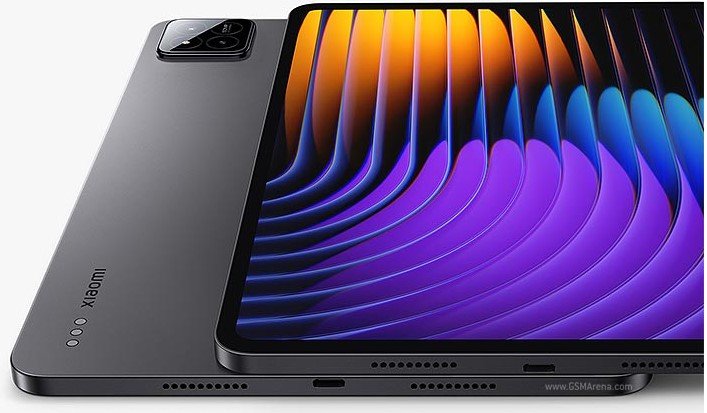
Before the Pad 8 arrived, the Pad 7 Pro held the crown as the most impressive Android tablet you could buy for the money. Launched in late 2024 in China and rolling out globally through early 2025, it positioned itself as a direct iPad Pro alternative — and largely delivered on that ambition.
NotebookCheck’s review team stated plainly that in many areas, the Xiaomi Pad 7 Pro is better than an iPad Air 2024 but costs less than half the price. That’s a strong claim, and the specs back it up: Snapdragon 8s Gen 3, a 50MP rear camera, a side-mounted fingerprint sensor, Wi-Fi 7, and a 67W HyperCharge system that fills the 8,850mAh battery considerably faster than the Pad 8’s 45W setup.
GSMArena’s review team observed that the Pad 7 Pro has quickly become a go-to tablet for its flagship specs and plenty of optional accessories, noting that you’ll spend half of what you would pay Apple for the same class of slate.
Display
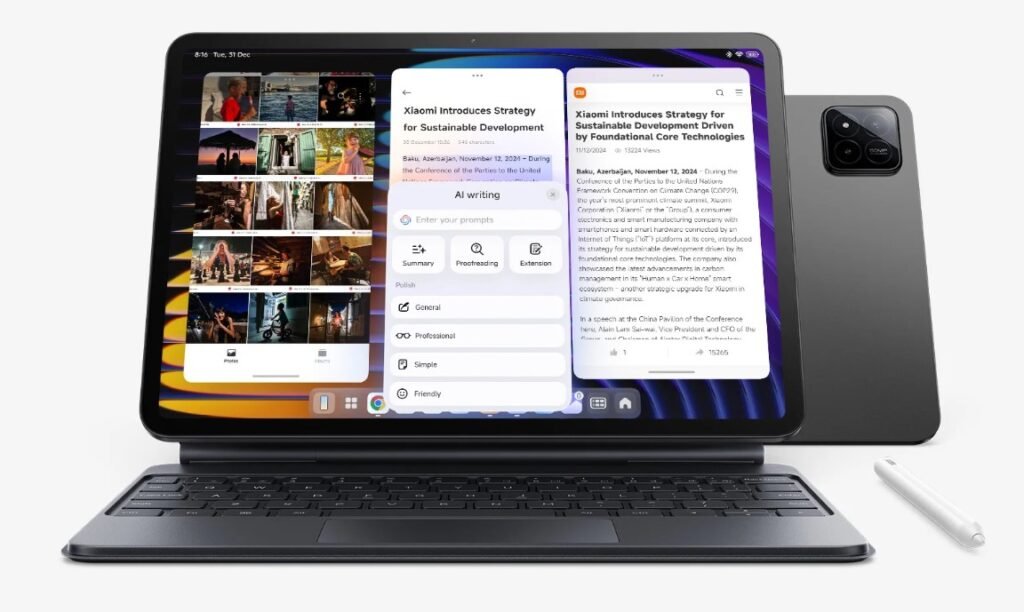
The Pad 7 Pro shares the same 11.2-inch 3,200 × 2,136-pixel 144Hz IPS LCD panel as the standard Pad 7 and Pad 8 — so you get the same excellent screen quality. The 3:2 aspect ratio feels natural in both landscape and portrait modes. Dolby Vision and HDR10 streaming are supported.
The one area where the Pad 7 Pro falls short of OLED competition: black levels and contrast. PhoneArena’s review noted that whatever display settings you choose, you can’t replicate the OLED look — and that’s the single most persistent criticism. For most users watching Netflix and YouTube, it won’t matter. For dark-scene gaming or cinematic content, it can be noticeable.
Performance & Camera
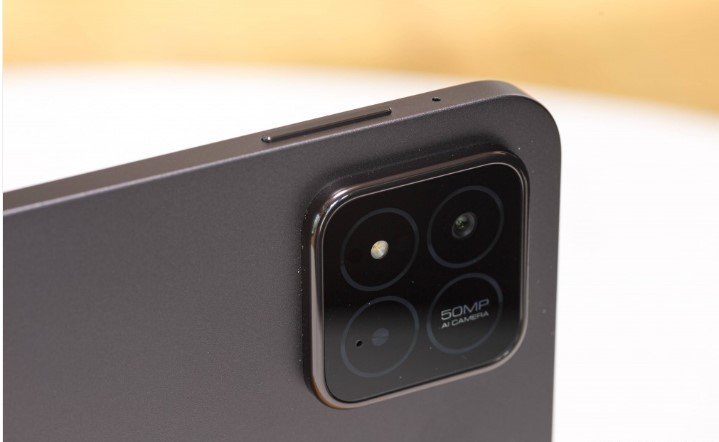
The Snapdragon 8s Gen 3 delivers strong performance — it was a flagship-tier chip in 2024, and it remains excellent for tablet workloads. In benchmarks, it scores somewhat below the Galaxy Tab S9’s Snapdragon 8 Gen 2, but the gap is small in everyday use. Gaming, multitasking, and creative workflows all run smoothly.
Where the Pad 7 Pro genuinely differentiates itself from the standard Pad 7 and the newer Pad 8 is the camera system: a 50MP rear camera (with 4K/60fps video recording) and a 32MP front camera. If you use your tablet for video calls, content creation, or scanning documents in high detail, this is the model to consider.
Battery & Charging
The 8,850mAh battery keeps pace with competitors. PhoneArena’s web browsing test recorded nearly 12 hours of screen-on time — excellent for an 11-inch device. The 67W HyperCharge is the standout here: faster than the Pad 8’s 45W, and noticeably faster than Samsung’s tab charging speeds at this price. Expect a full charge in under 90 minutes.
Who Is This For?
The Pad 7 Pro is the right choice if you need the fingerprint sensor (missing from the Pad 8), want the faster 67W charging, or use the camera frequently. It’s also slightly more available globally than the newly-launched Pad 8, with established pricing. If the Pad 8 weren’t in the picture, the Pad 7 Pro would be the undisputed best Xiaomi tablet.
| 💡 Real-World Verdict: If you’re choosing between Pad 7 Pro and Pad 8 — the Pad 8 wins on chip performance. But the Pad 7 Pro wins on cameras, fingerprint sensor, and 67W fast charging. It’s still a sensational tablet and often available at a discount now. |
Full Specifications
| Display | 11.2″ IPS LCD, 3200×2136 (3.2K), 3:2, 144Hz, 360Hz touch, Dolby Vision, HDR10 |
| Processor | Qualcomm Snapdragon 8s Gen 3 (4nm), Adreno 735 GPU |
| RAM / Storage | 8GB or 12GB LPDDR5X + 128/256/512GB UFS 4.0 |
| Battery | 8,850mAh, 67W HyperCharge, USB-C 3.2 Gen 1 |
| Cameras | 50MP rear (4K/60fps, PDAF) | 32MP front (1080p/60fps) |
| Audio | Quad speakers, Dolby Atmos, Hi-Res Audio |
| Connectivity | Wi-Fi 7, Bluetooth 5.4, no 5G option globally |
| Sensors | Side-mounted fingerprint sensor (power button) |
| Software | Android 15, HyperOS 2, Gemini AI, 4 years OS support |
| Dimensions | 251.22 × 173.42 × 6.18mm, 500g |
| Global Price (EU) | From ~€390–€430 (varies by region and storage tier) |
| ✅ Pros Flagship Snapdragon 8s Gen 3 chip50MP rear + 32MP front cameras67W fast chargingSide-mounted fingerprint sensorWi-Fi 7 connectivityMature software with wide accessory ecosystem | ❌ Cons No OLED displaySlightly heavier than Pad 8 (500g vs 485g)Pad 8 now offers newer chip for less4-year OS supportNo 5G cellular option globallyNo charger in box |
→ See the current Xiaomi Pad 7 Pro price list and available deals
3. Xiaomi Pad 7
Xiaomi Pad 7 — TechAdvisor’s Best New Tablet of 2025
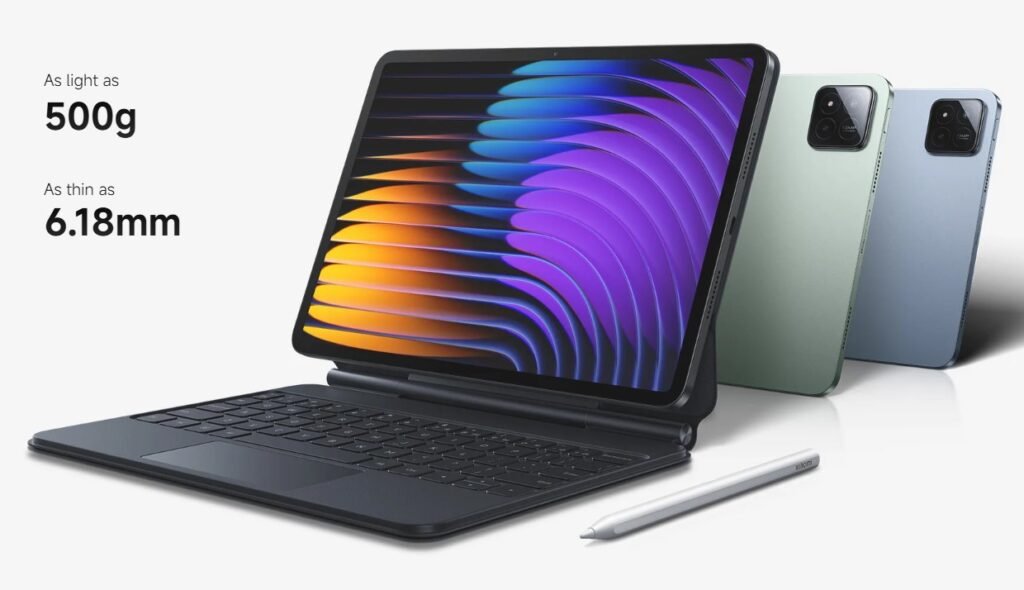
The Xiaomi Pad 7 — not the Pro, just the Pad 7 — won TechAdvisor’s Best New Tablet of the Year award for 2025, and it’s easy to understand why. It delivers an 11.2-inch 144Hz 3.2K display, quad Dolby Atmos speakers, Snapdragon 7+ Gen 3 performance, and nearly 9,000mAh of battery life in a premium aluminium chassis that starts at £369 (approximately AED 1,299).
TechAdvisor described it as a complete Android tablet experience that will satisfy all but the most power-hungry users, while noting that the Snapdragon 870 chipset — wait, let’s clarify — actually the Snapdragon 7+ Gen 3 provides plenty of power for work and play.
Importantly, with the Pad 8 now available, the Pad 7 is being sold at discounted prices in many markets, making its value proposition even stronger .
Display & Audio
The screen is identical to the Pad 7 Pro’s: 11.2-inch, 3,200 × 2,136 pixels, 144Hz, Dolby Vision, HDR10, 800 nits peak. For media consumption — Netflix, YouTube, gaming, and reading — this panel is exceptional. The 3:2 aspect ratio is excellent for productivity, and the 68 billion colors with DCI-P3 coverage produce accurate, vibrant images.
The quad-speaker setup with Dolby Atmos is legitimately impressive for a tablet. Multiple reviewers have noted that it’s one of the best audio experiences you’ll find on a non-premium-tier tablet. Calls, music, and movie audio all benefit.
Performance
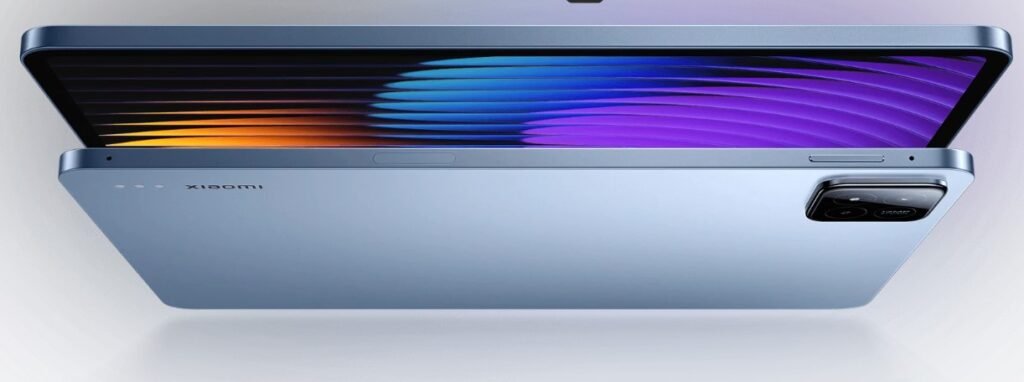
The Snapdragon 7+ Gen 3 is a strong mid-range chip that handles everyday tasks, streaming, web browsing, and moderate gaming without issue. Users who play Genshin Impact or similar 3D-intensive titles may notice the processor working harder than on the Pad 7 Pro or Pad 8. For casual gaming, productivity, and media consumption, it’s entirely sufficient.
The Pad 7 comes with HyperOS 2 and Android 15, Google Gemini integration, and Xiaomi HyperAI. Software support: four years, same as the rest of the Pad lineup.
The Missing Fingerprint Sensor
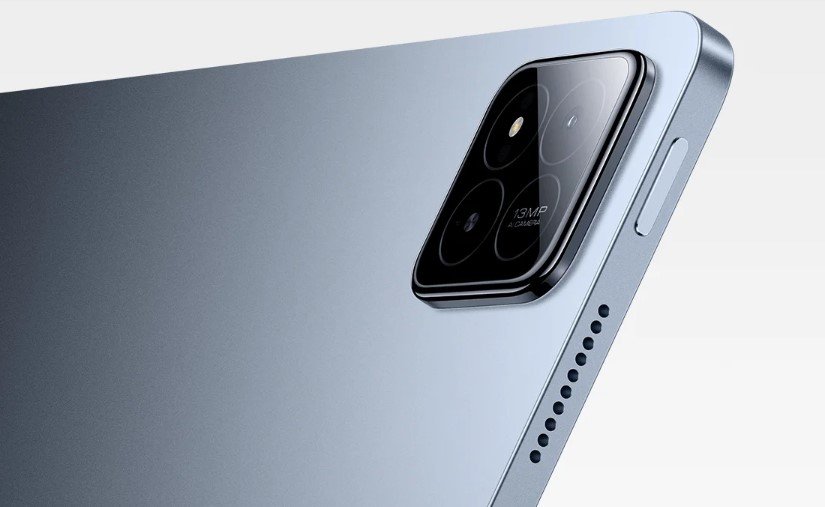
Like the Pad 8, the standard Pad 7 does not include a fingerprint sensor — a decision TechAdvisor described as the only real compromise on an otherwise excellent package. Face unlock works reliably, but if you use your tablet in bed with the lights off or in situations where face unlock fails, this is a daily inconvenience. The Pad 7 Pro and some Redmi models do include fingerprint sensors.
Who Is This For?
The Pad 7 hits a sweet spot for students, commuters, and general-purpose users who want a premium tablet experience without paying for features they won’t use (like the 50MP camera on the Pro). With current discount pricing , it may be the best per-dollar value in the entire lineup.
| 💡 Real-World Verdict: With the Pad 8 now out, the Pad 7 is the smart discount pick — same beautiful screen, same quad speakers, solid performance, and typically available £50–£80 cheaper than its launch price. Excellent for students and everyday users. |
Full Specifications
| Display | 11.2″ IPS LCD, 3200×2136 (3.2K), 3:2, 144Hz, Dolby Vision, HDR10, 800 nits |
| Processor | Qualcomm Snapdragon 7+ Gen 3 (4nm) |
| RAM / Storage | 8GB LPDDR5X + 128/256GB UFS 3.1 |
| Battery | 8,850mAh, 67W fast charging |
| Cameras | 13MP rear (4K video) | 8MP front (1080p) |
| Audio | Quad speakers, Dolby Atmos, Hi-Res Audio |
| Connectivity | Wi-Fi 6E, Bluetooth 5.4, USB-C 3.2 Gen 1 |
| Software | Android 15, HyperOS 2, Gemini AI, 4 years support |
| Dimensions | 251.22 × 173.42 × 6.18mm, 500g |
| Global Launch Price | £369 / ~$460 (8GB/128GB), £399 / ~$500 (256GB) |
| ✅ Pros Award-winning 3.2K 144Hz displayExcellent quad Dolby Atmos speakersNow available with discounts post-Pad 8 launchSolid Snapdragon 7+ Gen 3 performance67W fast chargingComplete Xiaomi accessories ecosystem | ❌ Cons No fingerprint sensorNo OLED panelSnapdragon 7+ Gen 3 behind Pad 7 Pro / Pad 8 chipsets4-year OS support onlyNo microSD slotNo cellular connectivity option |
4. Xiaomi Redmi Pad 2 Pro
Xiaomi Redmi Pad 2 Pro — 12.1-inch with a 12,000mAh battery and reverse charging
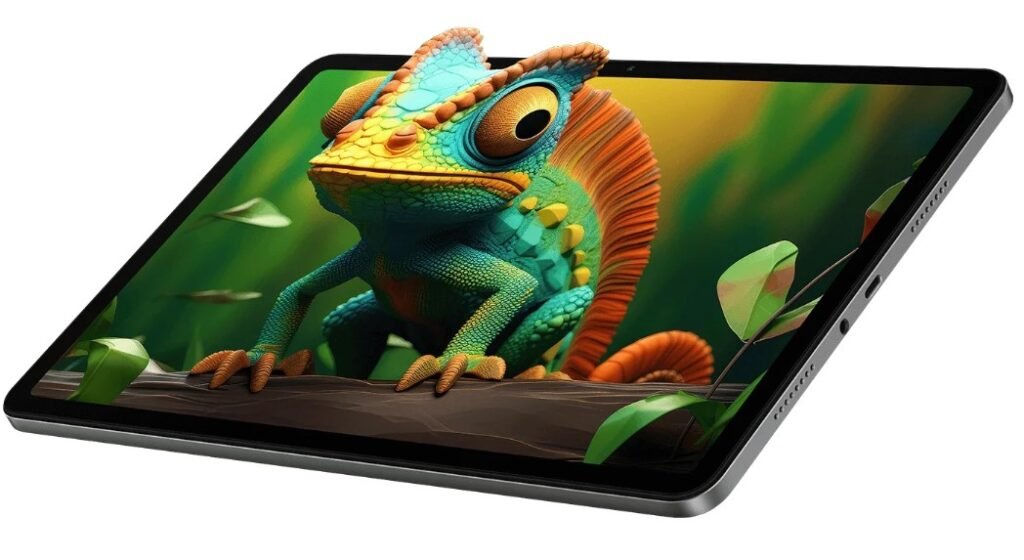
Not everyone wants an 11-inch tablet. Some people want a proper big screen — something that genuinely rivals a 13-inch laptop in terms of working space, reading comfort, and media real estate. For those people, the Redmi Pad 2 Pro is the answer.
Launched in September 2025, the Redmi Pad 2 Pro pairs a 12.1-inch 2.5K 120Hz display with a massive 12,000mAh battery, Snapdragon 7s Gen 4 chip, and a unibody aluminium design — all for a starting price around €250–€300 depending on region. At that price-to-screen-size ratio, it has almost no direct competition.
NotebookCheck’s international review summary called it a capable and feature-packed mid-range tablet that offers a premium user experience at an accessible price, highlighting battery life as one of its biggest strengths.
Display
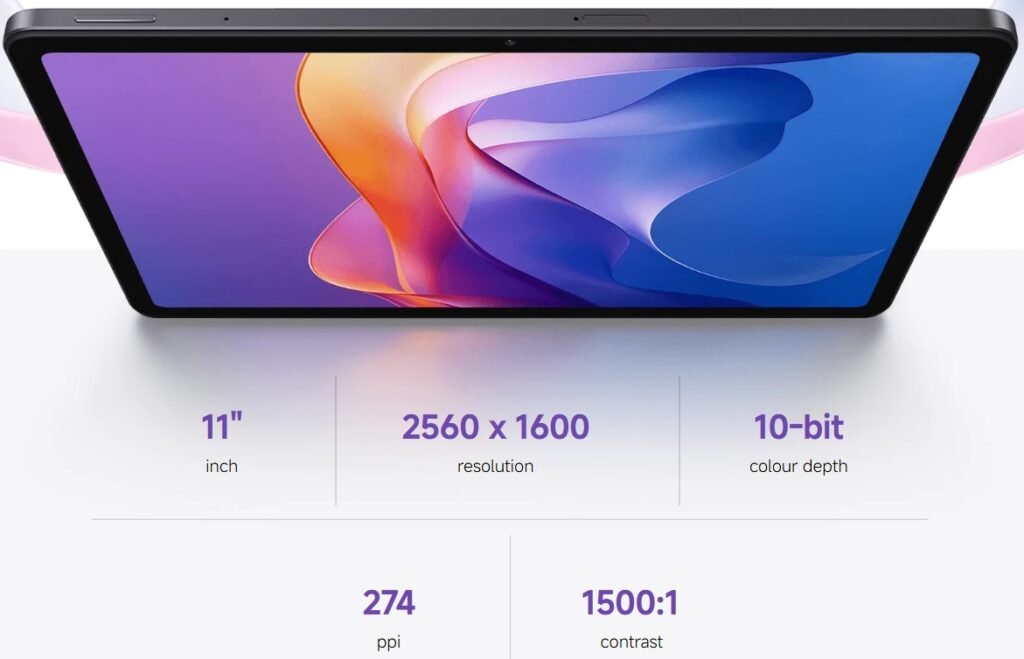
The 12.1-inch IPS LCD runs at 2,560 × 1,600 pixels (2.5K WQHD+, 249 ppi) with a 16:10 aspect ratio. The 120Hz AdaptiveSync refresh rate is smooth for browsing, scrolling, and gaming. Dolby Vision is supported, as are TÜV Rheinland’s Low Blue Light and Flicker Free certifications — important for a tablet you might use for hours at a stretch for work or study.
The screen isn’t as pixel-dense as the Pad series’ 345 ppi display, but at typical viewing distances for a 12-inch device, the difference is negligible. What you get instead is more screen area — a meaningful benefit for split-screen work, reading PDFs, and watching widescreen films.
The optional matte glass version uses a nano-texturing AG process to eliminate 97% of light interference, reducing glare significantly — worth considering if you work near windows.
Battery: The Real Party Trick
The 12,000mAh battery is the standout feature of the Redmi Pad 2 Pro. In standard mixed use, expect 14–16 hours between charges — easily spanning a full work day plus an evening of entertainment. For travelers, commuters, and anyone who hates charging anxiety, this is genuinely liberating.
The Pad 2 Pro also supports 27W wired reverse charging, meaning you can use it to top up your phone, earbuds, or other USB-C devices. It’s a feature usually reserved for more expensive devices and it adds real-world flexibility.
Charging speed for the tablet itself is 33W — not fast by today’s Xiaomi standards, but given the battery size, it’s acceptable. Expect a full charge in around 3 hours.
Performance
The Snapdragon 7s Gen 4 is Qualcomm’s efficiency-optimised mid-range chip, built on a 4nm process. It handles everyday tasks, streaming, office work, and casual gaming comfortably. For demanding 3D titles (Genshin Impact, Wuthering Waves) at high settings, you’ll want to keep visual presets at medium — reviewers noted some performance drops at maximum quality.
The AnTuTu benchmark score sits around 880,000 — solid for the price, and notably better than the previous Redmi Pad Pro’s Snapdragon 7s Gen 2. RAM options are 6GB or 8GB LPDDR4X with expandable microSD storage up to 2TB — one of the few Xiaomi tablets that retains this option.
The 5G Advantage
In select markets (particularly Southeast Asia and Europe), the Redmi Pad 2 Pro is available with 5G connectivity — rare for a tablet at this price point. If you work on the move and don’t want to rely on phone hotspotting, the 5G Redmi Pad 2 Pro variant is one of the most affordable 5G tablets on the market.
| 💡 Real-World Verdict: If battery life is your top priority, or if you want more screen space for productivity, the Redmi Pad 2 Pro is the smartest buy in the lineup. The 12,000mAh cell is best-in-class, and the large display is a genuine advantage for extended work sessions. |
Full Specifications
| Display | 12.1″ IPS LCD, 2560×1600 (2.5K), 16:10, 120Hz, Dolby Vision, 500 nits (600 nits HBM) |
| Processor | Qualcomm Snapdragon 7s Gen 4 (4nm), Adreno 810 GPU |
| RAM / Storage | 6GB or 8GB LPDDR4X + 128GB or 256GB UFS 2.2, microSD up to 2TB |
| Battery | 12,000mAh, 33W fast charging, 27W reverse wired charging |
| Cameras | 8MP rear (1080p/30fps) | 8MP front (1080p/30fps) |
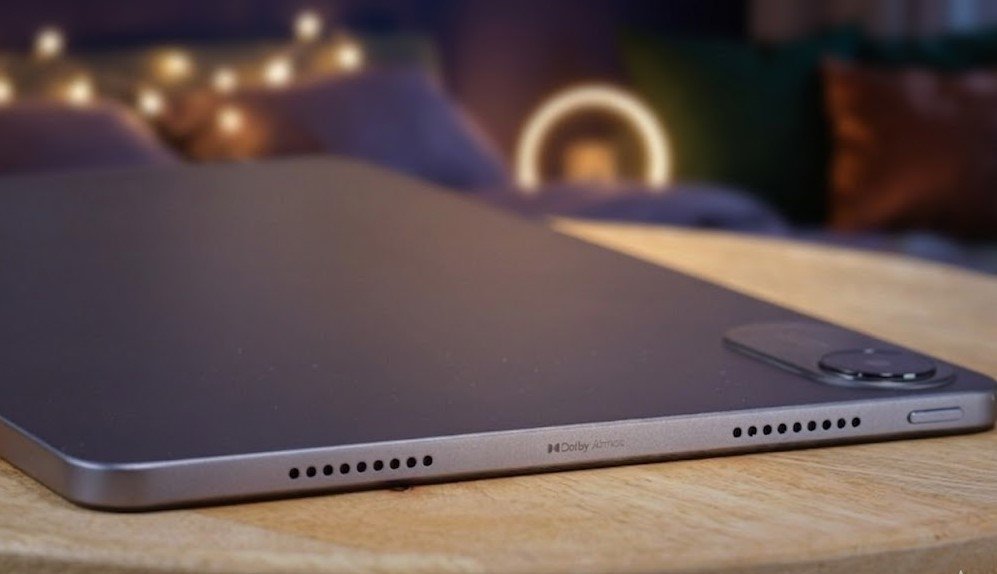
| Audio | Quad speakers, Dolby Atmos, 300% volume boost |
| Connectivity | Wi-Fi 6, Bluetooth 5.4; 5G available in select markets |
| Software | Android 15, HyperOS 2 |
| Dimensions | 279.80 × 181.65 × 7.5mm, 600–620g |
| Body | Unibody aluminium, Corning Gorilla Glass screen |
| Global Price | From ~€250 (6GB/128GB) — varies by region |
| ✅ Pros Class-leading 12,000mAh batteryGenerous 12.1-inch 2.5K display27W reverse charging capabilityMicroSD expansion up to 2TB5G option available in some marketsPremium aluminium unibody design | ❌ Cons Heavier than Pad series (600–620g)Snapdragon 7s Gen 4 lags Pad 7 Pro / Pad 8 in heavy tasksOnly 33W self-charging speedCamera quality is basic (8MP)No fingerprint sensor on some variantsThicker profile (7.5mm) |
→ See the full Redmi Pad 2 Pro price
5. Xiaomi Redmi Pad 2
Xiaomi Redmi Pad 2 — TechAdvisor’s Best New Budget Tablet of 2025
What does AED 579 to AED 770 get you in the tablet market ? If you’re buying from most brands, not much. You’d be looking at low-res screens, plastic bodies, tinny speakers, and processors that struggle with modern streaming quality.
With the Redmi Pad 2, Xiaomi throws all of that conventional wisdom out the window.
TechAdvisor, which tested over 50 budget tablets to find their recommendation, called the Redmi Pad 2 as close to an affordable version of the entry-level iPad as it gets — at almost half the price. They awarded it Best New Budget Tablet of 2025.
Launched in June 2025, the Redmi Pad 2 runs on MediaTek’s Helio G100 Ultra chip, carries an 11-inch 2.5K 90Hz IPS display (with Corning Gorilla Glass), a 9,000mAh battery, quad speakers with Dolby Atmos, and a microSD card slot for expandable storage. The aluminium frame gives it a feel that belies its price tag.
Display & Build Quality
The 11-inch display has a 2,560 × 1,600-pixel resolution (2.5K) — significantly sharper than most budget tablets which often top out at Full HD. The 90Hz refresh rate ensures smooth scrolling, and TechAdvisor noted it’s perfectly crisp and bright for watching films and everyday tasks.
The build quality genuinely impressed reviewers. The sleek aluminium frame is comfortable to hold, lightweight at 510g, and the Corning Gorilla Glass front provides meaningful scratch resistance. For a sub-AED 579 device, the feel-in-hand is remarkable.
Performance & Battery
The Helio G100 Ultra is designed for efficient everyday performance, not heavy gaming. Web browsing, social media, streaming, reading, and even light photo editing all run smoothly. Demanding 3D gaming is where users will feel the limits — keep your gaming expectations moderate and this chip will serve you well.
The 9,000mAh battery is generously sized for this class of device. In practice, expect 10–12 hours of mixed use — enough for a full day without needing to find a socket.
Key Trade-offs to Know
The Redmi Pad 2 doesn’t include 4K video recording, a fingerprint sensor, or Dolby Vision HDR. The front and rear cameras are functional rather than impressive. And the Helio G100 Ultra, while capable for everyday use, won’t match the Snapdragon-powered models above for sustained performance.
These are knowingly accepted trade-offs for a tablet at £169. Compared to the competition at this price, the Redmi Pad 2 outclasses almost everything.
Note: A 4G LTE variant is also available in some markets (compatible with T-Mobile, Mint, Tello), making it one of the most affordable 4G-connected tablets you can buy.
| 💡 Real-World Verdict: For students, kids, seniors, or anyone who wants a reliable daily tablet without spending a lot — the Redmi Pad 2 is the honest pick. It does the fundamentals better than tablets that cost significantly more. It’s Xiaomi’s most accessible entry point, and it earns every bit of that ‘best budget tablet’ badge. |
Full Specifications
| Display | 11.0″ IPS LCD, 2560×1600 (2.5K), 16:10, 90Hz, 500 nits, Corning Gorilla Glass 3 |
| Processor | MediaTek Helio G100 Ultra (6nm) |
| RAM / Storage | 4GB, 6GB, or 8GB RAM + 128GB or 256GB UFS 2.2, microSD slot |
| Battery | 9,000mAh, standard charging |
| Cameras | 8MP rear (1080p/30fps) | 8MP front (1080p/30fps) |
| Audio | Quad speakers, Dolby Atmos |
| Connectivity | Wi-Fi 6; 4G LTE variant available in select markets |
| Software | Android 15, HyperOS 2 |
| Dimensions | Approx. 255 × 162 × 7.4mm, 510g |
| Global Price | From ~£169 / ~$210 (varies by region and storage) |
| ✅ Pros Exceptional value at sub-AED 579 priceSharp 2.5K 90Hz displayAluminium build quality above price classLarge 9,000mAh batteryDolby Atmos quad speakersMicroSD expansion, 4G LTE option available | ❌ Cons Helio G100 Ultra — no heavy gamingNo 4K video recordingNo fingerprint sensorNo Dolby Vision HDR supportBasic camera qualityNo stylus support on base model |
6 . Redmi K Pad 2
Redmi K Pad 2 — 8.8-inch with a 9,100mAh battery and Dimensity 9500
You can find the Redmi Pad 2 in several electronics hubs across the city:
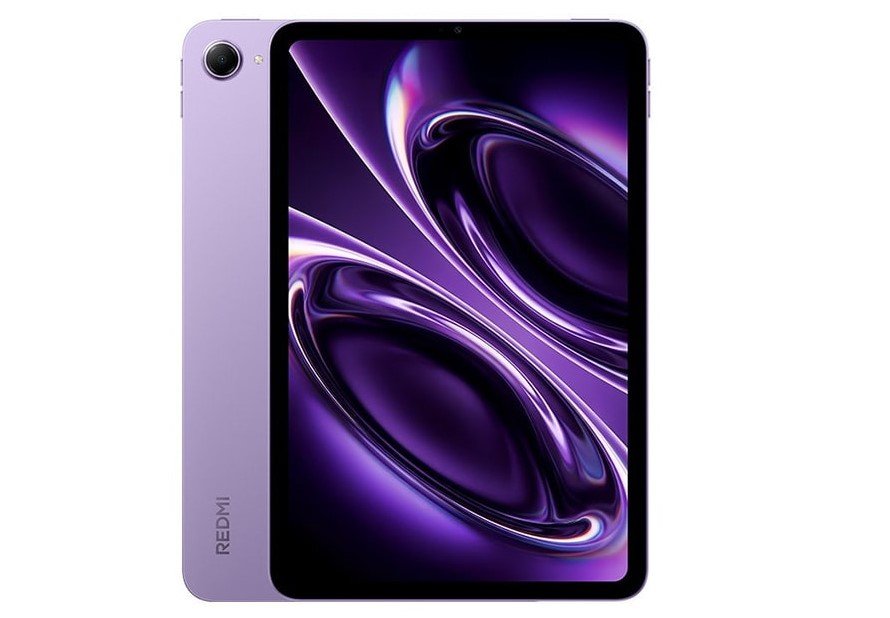
There has been a massive gap in the market for a high-end, compact Android tablet that doesn’t feel like a toy. Most small tablets are budget-tier, but the Redmi K Pad 2 changes that. It is a “pocket rocket” designed for those who want the raw power of the K90 smartphones in a larger, but still portable, 8.8-inch form factor.
Launched on April 21, 2026, the K Pad 2 is Redmi’s direct answer to the “iPad Mini” crowd, but with a display and cooling system that leaves the competition in the dust. With its 3K 165Hz screen and a partnership with Bose for audio, it’s built for one thing: high-end mobile gaming and portable media.
The Display: Small but Deadly
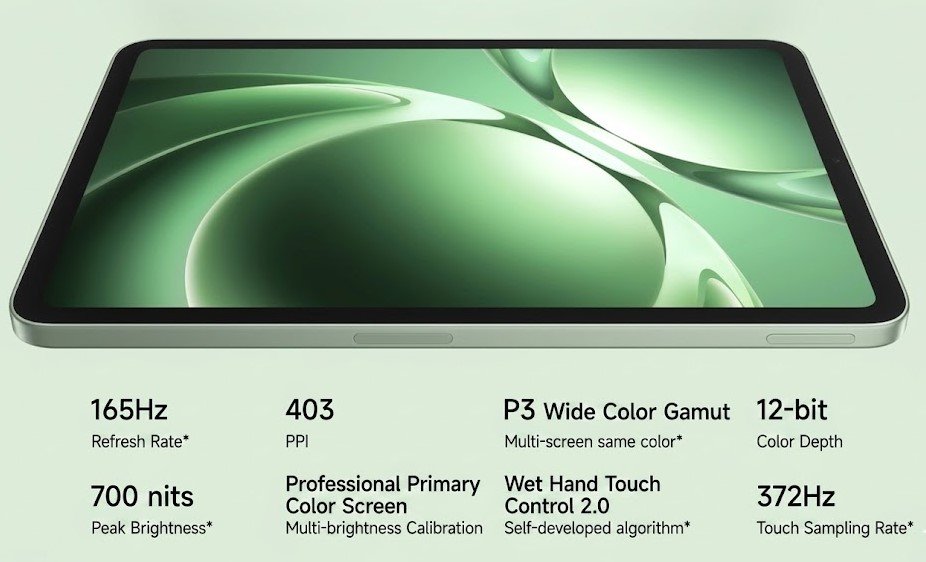
The 8.8-inch 3K (3008×1880) LCD is arguably the best small screen on the market right now. With a staggering 403 ppi (pixel density), it is significantly sharper than the larger Pad 8 or Pad 2 Pro.
- 165Hz Refresh Rate: While most tablets cap at 120Hz or 144Hz, the K Pad 2 pushes to 165Hz with a 1,080Hz touch sampling rate. This makes it the most responsive tablet Xiaomi has ever produced—perfect for competitive titles like PUBG or Genshin Impact.
- 1,100 Nits Peak Brightness: This is unusually high for an LCD tablet, making it much more usable outdoors in the bright Dubai sun compared to standard tablets.
Performance: Built to Cool
Under the hood is the MediaTek Dimensity 9500 (3nm). This chip is a monster, but the real “party trick” is the cooling. Redmi packed a 15,300mm² vapor chamber into this tiny chassis. Reviewers have noted that it maintains peak performance for hours without the thermal throttling that plagues larger, thinner tablets.
- Audio by Bose: This is a first for Redmi tablets. The dual speakers are tuned by Bose with a 2CC audio cavity, delivering deeper bass and a much richer soundstage than you’d expect from a device this small.
Battery: The Density Record
Despite being a compact device, it carries a 9,100mAh battery. For its size, this is incredible density.
- 67W Charging: You can top up this massive cell from 0 to 100% in roughly 50 minutes.
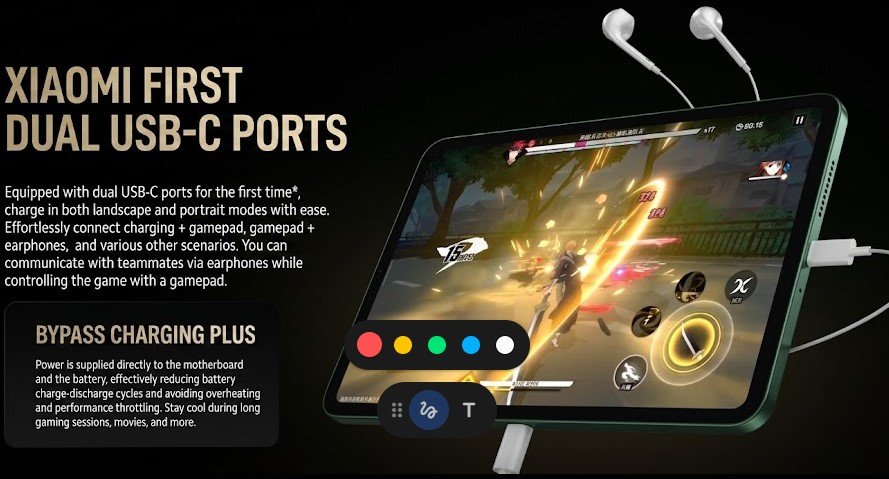
- 22.5W Reverse Charging: Like the Pad 2 Pro, it can act as a power bank for your phone or buds, making it a versatile travel companion for your daily commute in Sharjah or Dubai.
The Redmi K Pad 2 is currently the king of compact tablets. If you find 11-inch or 12-inch tablets too bulky for one-handed use, but you refuse to compromise on specs, this is your only real choice. It’s a specialized tool for gamers and power users who value portability over pure screen size.
| Feature | Details |
| Display | 8.8″ 3K LCD, 3008×1880, 16:10, 165Hz, 1100 nits, Gorilla Glass 5 |
| Processor | MediaTek Dimensity 9500 (3nm), Mali G1-Ultra GPU |
| RAM / Storage | 8GB/12GB/16GB LPDDR5x + 256GB/512GB UFS 4.1 |
| Battery | 9,100mAh, 67W Fast Charging, 22.5W Reverse Charging |
| Cameras | 13MP Rear (4K/30fps) | 8MP Front (1080p) |
| Audio | Dual Bose-tuned speakers, 2CC audio cavity, Dolby Atmos |
| Connectivity | Wi-Fi 7, Bluetooth 5.4, Dual USB-C ports |
| Software | Android 16, HyperOS 3 |
| Body | Metal unibody, 345g, 6.62mm thin |
| Colors | Space Silver, Deep Black, Electric Purple |
| ✅ Pros World-class 165Hz 3K compact display Flagship Dimensity 9500 performance Incredible cooling (15,300mm² VC) Bose-tuned audio is best-in-class for size Dual USB-C ports (charge while using peripherals) | ❌ Cons Small screen isn’t ideal for split-screen multitasking No microSD expansion (unlike the Redmi Pad 2) Higher price point than standard “budget” small tablets Battery life is shorter when gaming at 165Hz |
7. Xiaomi Pad 8 Pro
Xiaomi Pad 8 Pro — 11.2-inch with a 9,200mAh battery and Snapdragon 8 Elite
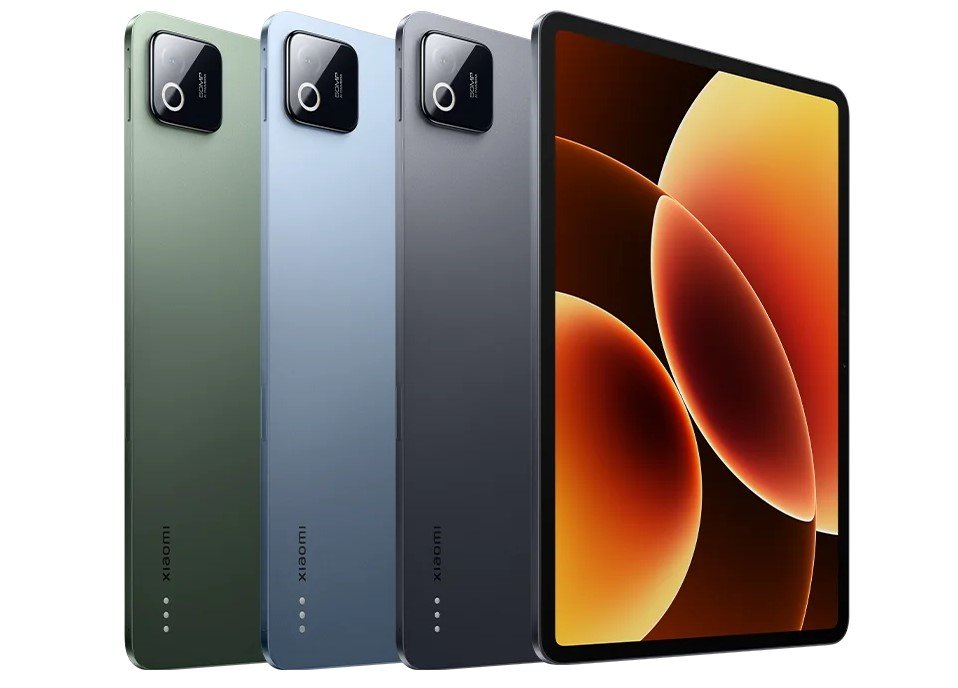
If the standard Pad 8 is the “all-rounder,” the Xiaomi Pad 8 Pro is the “specialist.” It is engineered for the power user who wants to ditch their laptop for a lighter, faster, and more AI-integrated experience. In the Dubai market, this is the primary competitor to the iPad Pro, offering elite-level hardware at a much more aggressive price point.
Launched in early 2026, the Pad 8 Pro debuted as the first tablet to feature the Snapdragon 8 Elite processor. It pairs this raw power with a professional-grade 3.2K display and HyperOS 3, which introduces a “Workstation Mode” that truly mimics a desktop environment.
ITPro’s review hailed it as the “Android Tablet of the Year,” specifically citing its monstrous battery life and PC-level multitasking as its standout features.
Display: Professional Grade
The 11.2-inch 3.2K (3200 x 2136) LCD is a masterpiece of clarity. With a pixel density of 345 ppi, it is significantly sharper than most high-end laptops.
- 144Hz Adaptive Refresh: The screen intelligently scales from 30Hz to 144Hz to preserve battery.
- 12-bit Color & 800 Nits: It supports Dolby Vision and HDR Vivid. The 800-nit peak brightness ensures that if you’re working at a cafe in Downtown Dubai, the glare won’t stop you from seeing your spreadsheets or creative designs.
- Wet Touch Technology: A new feature that allows the screen to remain responsive even if your hands are damp—a small but “pro” touch for productivity in all environments.
Performance: The Snapdragon 8 Elite
The move to the Snapdragon 8 Elite (3nm) is a massive leap. It delivers an 81% CPU boost over the previous generation. This isn’t just for gaming; it’s for Xiaomi HyperAI 2, which handles real-time voice translation, AI writing assistants, and complex video editing without a stutter.
- PC-Level Browser: The updated HyperOS 3 browser now supports full desktop extensions and a native tab-drag system, making it feel like a real computer rather than a mobile device.
Battery: The Marathon Runner
The 9,200mAh battery is currently one of the highest-rated for efficiency in its class. In standard looped video tests, it has clocked over 28 hours of playback—nearly double what many competitors offer.
- 67W Fast Charging: You can get back to work quickly, with a full charge taking just under an hour.
- Wireless Ecosystem: It features seamless interconnectivity with Xiaomi’s phone lineup, allowing you to drag files directly from your phone screen to your tablet screen.
Real-World Verdict
The Xiaomi Pad 8 Pro is for the person who needs a “mobile office.” If you are a designer, a professional buyer, or an executive who travels frequently, the combination of the 8 Elite chip and the 12,000mAh battery makes it the most reliable productivity tool lineup.
| Feature | Details |
| Display | 11.2″ 3.2K LCD, 3200×2136, 16:10, 144Hz, 12-bit, 800 nits |
| Processor | Snapdragon 8 Elite (3nm), Adreno 830 GPU |
| RAM / Storage | 8GB/12GB LPDDR5X + 256GB/512GB UFS 4.0 |
| Battery | 9,200mAh, 67W HyperCharge, USB 3.2 Gen 1 |
| Cameras | 50MP Rear (4K/60fps) | 32MP Front (Clearer Video Calls) |
| Audio | 6-Speaker System, Dolby Atmos, 200% Volume Boost |
| Connectivity | Wi-Fi 7, Bluetooth 6.0, NFC, IR Blaster |
| Software | Android 16, HyperOS 3 (with AI Workstation Mode) |
| Body | All-metal, 5.75mm ultra-thin, 485g |
| UAE Price | Starting from AED 2,699 |
| ✅ Pros World-class Snapdragon 8 Elite performance Best-in-class 3.2K display (345 ppi) Incredible 28-hour video playback battery life Desktop-style Workstation Mode in HyperOS 3 High-quality 32MP front camera for meetings | ❌ Cons Protruding camera lens can be awkward on flat surfaces No 3.5mm headphone jack or MicroSD slot Accessories (Keyboard/Stylus) sold separately No IP rating for water/dust resistance |
→ [Check latest Xiaomi Pad 8 Pro stock
Which Xiaomi Tablet Is Right for You? The Honest Buyer’s Guide
With five strong options at different price points, here’s a quick decision framework:
| You Need / Want… | → Buy This |
| Best all-round tablet under $500 / AED 1900 | Xiaomi Pad 8 — most powerful chip, best specs-per-dollar |
| Near-flagship performance + great cameras | Xiaomi Pad 7 Pro — 50MP camera, fingerprint sensor, 67W charging |
| Premium display + solid performance at discount | Xiaomi Pad 7 — award-winning, now cheaper post-Pad 8 launch |
| Maximum battery life or big screen for work | Redmi Pad 2 Pro — 12,000mAh battery, 12.1-inch display |
| Tight budget, first tablet, or gift for a family member | Redmi Pad 2 — best budget tablet of 2025, sub– AED 900 |
| 5G connectivity for mobile working | Redmi Pad 2 Pro (5G variant, select markets) |
| iPad Pro alternative for professional use | Xiaomi Pad 8 Pro (not covered here — Snapdragon 8 Elite, premium tier) |
Common Questions Answered
Do Xiaomi tablets work with non-Xiaomi phones?
Yes. All of the tablets listed run standard Android 15 or 16 and are fully compatible with Google Play and any Android or iOS ecosystem. The HyperOS cross-device features (wireless Mac display, phone mirroring) are optimised for Xiaomi devices but the tablets work perfectly well as standalone Android devices with any phone.
Is there a version with a SIM card for cellular data?
The Pad 7, Pad 7 Pro, and Pad 8 are Wi-Fi only globally. The Redmi Pad 2 and Redmi Pad 2 Pro have 4G/5G variants available in select markets (particularly Asia and some European regions). If cellular connectivity is a must-have, the Redmi line is your answer.
Can I use a stylus with these tablets?
All five models support stylus input, but the quality of stylus experience varies. The Pad 7, Pad 7 Pro, and Pad 8 support Xiaomi’s Focus Pen Pro (with 240Hz stylus sampling rate, pressure sensitivity, and gesture support) — the best experience in the lineup. The Redmi models support a more basic stylus with 240Hz touch support, but with fewer pressure sensitivity levels.
Is HyperOS different from MIUI? Is it good?
HyperOS replaced MIUI in late 2023/2024. It’s a more polished, lighter Android skin with better multitasking tools, improved cross-device integration, and a cleaner design language. Most reviewers consider it a meaningful improvement over MIUI. It still includes some pre-installed apps, but these can be uninstalled on global ROM versions.
Should I be worried about the 4-year software support?
Compared to Samsung’s seven-year promise, Xiaomi’s four-year commitment is shorter. In practical terms, a tablet bought will receive OS updates until approximately 2030 — four Android versions. For most users, that’s adequate tablet lifespan. If long-term software support is critical to your decision, Samsung or Apple will give you more runway.
Final Recommendation
If we had to send one person to buy one Xiaomi tablet today, it would be the Xiaomi Pad 8. The Snapdragon 8s Gen 4 chip elevates it from ‘good mid-range’ to ‘genuinely powerful’ — and the price-to-performance ratio is hard to argue against anywhere in the Android market.
But the beauty of Xiaomi’s lineup is that the second-best, third-best, and fourth-best options are all genuinely excellent. The Pad 7 Pro is a worthy rival if cameras and fingerprint unlock matter to you. The Pad 7 is a discount gem. The Redmi Pad 2 Pro redefines what a budget big-screen tablet can be. And the Redmi Pad 2 is the best thing that’s happened to the sub- AED 900 tablet market in years.
Whatever your budget and use case, there is a Xiaomi tablet in this guide that will serve you well — and almost certainly outperform tablets from competing brands at the same price point.
Disclosure: This article contains affiliate links. If you purchase a product through these links, we may earn a small commission at no additional cost to you. All reviews and opinions are our own, based on independent testing and publicly verified sources.
Sources: AndroidCentral, TechAdvisor, NotebookCheck, GSMArena, PhoneArena, Yanko Design, Xiaomi Global (mi.com). Prices correct as of April 2026; subject to change.
Related : Top 13 Air Purifier Dubai – Top Picks for Dust, Allergies & Pets
Disclosure: This post may contain affiliate links. As an independent discovery platform in Dubai, our reviews are based on technical research and market data.rices and availability are current as of the date of publication but are subject to change. retailers may vary their pricing based on stock levels and ongoing promotions. Always verify the final price on the checkout page.