
| ⏱ Prep Time 20 minutes | 🔥 Cook Time 60–75 min | 🍽 Serves 4–6 people | 📊 Difficulty Intermediate |
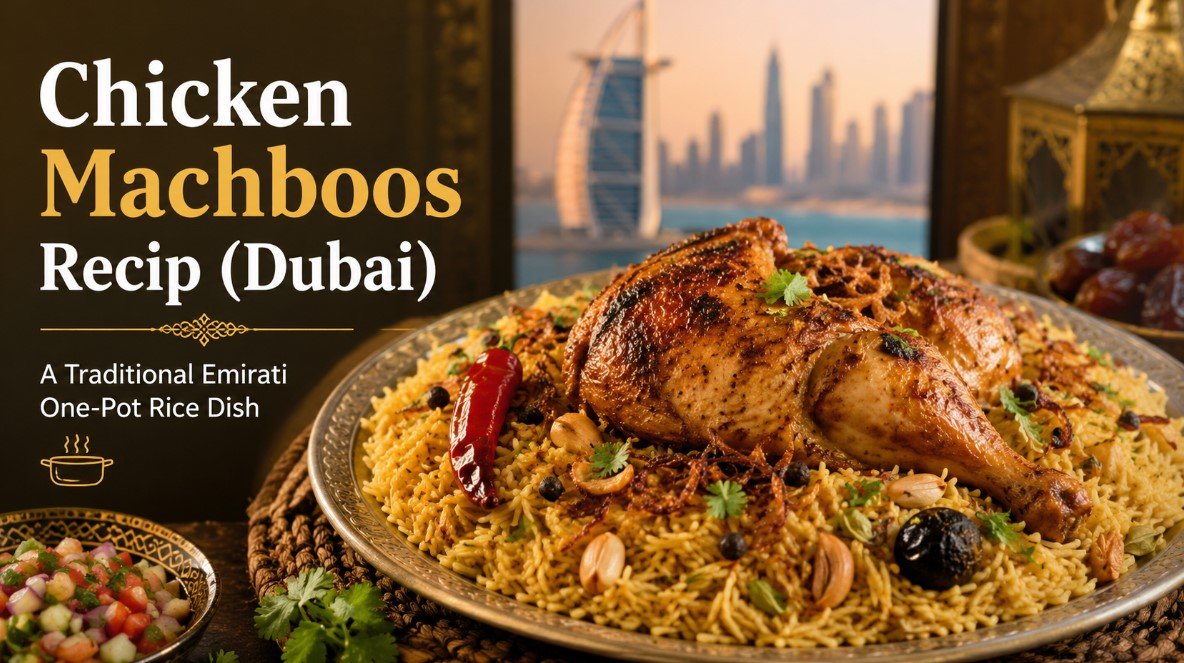
There is a dish at the centre of every major Emirati gathering — every wedding, every Eid feast, every Friday family lunch — and that dish is machboos. Called by some the UAE’s national dish, it is a one-pot meal of chicken or lamb cooked slowly in a spiced broth, its fat and juices absorbed into long-grain basmati rice that emerges golden, fragrant, and deeply flavoured. The name is believed to derive from the Arabic
“kabasa”, meaning to press or compress — a reference to how the ingredients cook tightly together, each one pressing its flavour into the others. The dried lime (loomi), the baharat spice blend, the long simmer, and the final resting of rice in the closed pot: all of these serve the same purpose. Concentration. Every grain should taste of everything that went into the pot.
Machboos is closely related to the Saudi kabsa and the Bahraini version of the same dish. The UAE version is distinguished by its use of loomi, its particular spice blend (sometimes called bzar), and its tendency toward a deeper, darker colour from slow-caramelised onions. It is also less spicy than many Arabian Gulf rice dishes — the emphasis is on aromatic warmth, not heat.
This guide teaches you the full recipe from first principles: how to build the baharat spice blend, how loomi works and why it cannot be substituted by regular lime, the correct sequence for building the flavour base, and the rice technique that produces perfectly separated grains rather than a stodgy mass.
| 🇺🇪 Why Machboos Is Different from Biryani or Kabsa The three are often confused. Biryani (Indian origin) uses a layered cooking method with separately cooked rice and meat. Kabsa (Saudi) tends to be lighter in colour and uses rose water as a finish. Machboos is a single-pot cook from the beginning: chicken and spice base first, then the rice cooks directly in the meat broth. The result is a denser, more integrated flavour than biryani’s distinct layers. |
Related : Authentic Karak Chai Recipe: Dubai’s Beloved Tea Tradition (5 STEPS)
Chicken Machboos Recipe :Ingredients
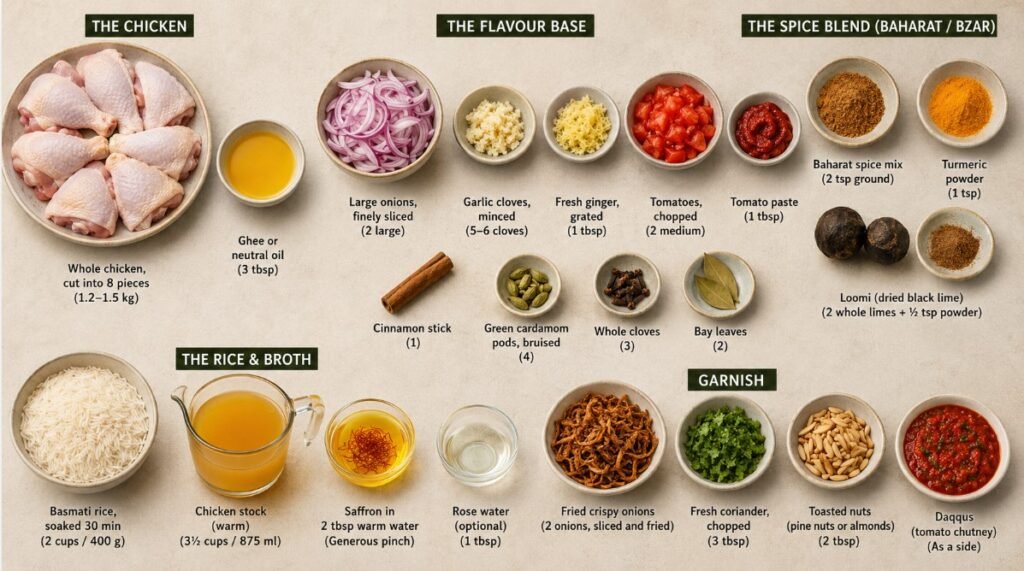
Two categories require particular attention: the baharat spice blend and the loomi (dried lime). Everything else is standard pantry. Do not substitute the loomi — it is the ingredient that makes machboos taste unmistakably Gulf rather than generically spiced.
| Ingredient | Quantity | Notes |
| THE CHICKEN | ||
| Whole chicken, cut into 8 pieces | 1.2–1.5 kg | Bone-in; skin on gives better flavour in the broth |
| Ghee or neutral oil | 3 tbsp | Ghee gives a richer, more authentic flavour |
| THE FLAVOUR BASE | ||
| Large onions, finely sliced | 2 large | Slow-caramelisation is essential — allow 15 minutes minimum |
| Garlic cloves, minced | 5–6 cloves | Fresh only |
| Fresh ginger, grated | 1 tbsp | Adds brightness to the spice base |
| Tomatoes, chopped | 2 medium | Or 1 tin chopped tomatoes (400g) |
| Tomato paste | 1 tbsp | Depth and colour |
| THE SPICE BLEND (Baharat / Bzar) | ||
| Baharat spice mix (see table below) | 2 tsp ground blend | Homemade is significantly better than pre-mixed |
| Turmeric powder | 1 tsp | Colour and earthiness |
| Loomi (dried black lime) | 2 whole limes + ½ tsp powder | Pierce whole limes; add powder to the broth for depth |
| Cinnamon stick | 1 | Whole spice in the broth |
| Green cardamom pods, bruised | 4 | Whole spice in the broth |
| Whole cloves | 3 | Adds warmth to the stock |
| Bay leaves | 2 | Aromatic base note |
| THE RICE & BROTH | ||
| Basmati rice, soaked 30 min | 2 cups (400 g) | Long-grain; soak in cold water to remove excess starch |
| Chicken stock (warm) | 3½ cups (875 ml) | Homemade preferred; low-sodium cube acceptable |
| Saffron in 2 tbsp warm water | Generous pinch | Stirred in at the end for colour and aroma |
| Rose water (optional) | 1 tbsp | Sprinkled over the finished rice; traditional but light-handed |
| GARNISH | ||
| Fried crispy onions | 2 onions, sliced and fried | The essential topping; cook until deep golden |
| Fresh coriander, chopped | 3 tbsp | Added at serving |
| Toasted nuts (pine nuts or almonds) | 2 tbsp | Scattered over the finished dish |
| Daqqus (tomato chutney) | As a side | Traditional accompaniment; tomato, coriander, chilli, lime |
The Baharat / Bzar Spice Blend
Baharat (Arabic for ‘spices’) is the foundation of machboos flavour. The UAE version, sometimes called bzar, includes a faint heat from chilli that separates it from the milder Saudi or Levantine versions. Mix once and store in an airtight jar for up to 3 months.
| Spice | Amount | Flavour Role |
| Coriander seeds, ground | 1 tsp | Citrus warmth; the backbone of the blend |
| Cumin seeds, ground | 1 tsp | Earthy depth |
| Black pepper, ground | 1 tsp | Base heat and sharpness |
| Cinnamon, ground | 1 tsp | Sweet warmth |
| Cardamom, ground | 1 tsp | Floral, citrus lift |
| Nutmeg, freshly grated | ½ tsp | Depth and slight sweetness |
| Cloves, ground | ½ tsp | Intensity; use with a measured hand |
| Dried chilli / paprika | ½ tsp | The UAE warmth element; not hot but present |
| Turmeric (separate) | ½ tsp | Colour; added to recipe separately from the blend |
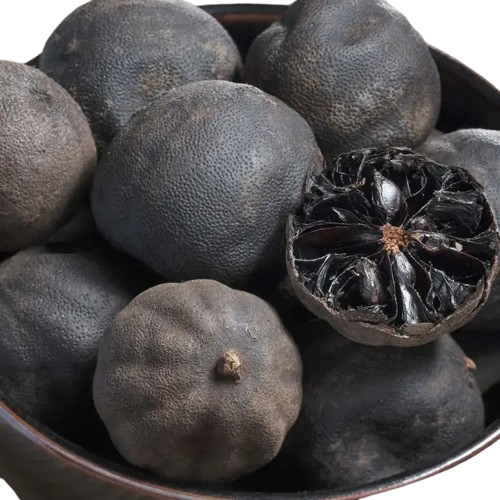
| 🍋 Understanding Loomi (Dried Black Lime) Loomi — also called dried lime, black lime, or noomi Basra — is a sun-dried lime that has lost all its moisture. The drying concentrates the citrus compounds into a musky, tangy, slightly smoky flavour that fresh or zested lime cannot replicate. It is the single most distinctive ingredient in Gulf cooking. Pierce whole limes with a skewer before adding to the pot so the broth can penetrate the inside. Use the powder in addition for maximum depth. Loomi is available at all UAE supermarkets and at any Middle Eastern grocery store internationally. |
Related : Dubai Chocolate Bar Recipe – The Complete Homemade Guide
Method: Step-by-Step
Machboos is built in three phases: the flavour base, the chicken braise, and the rice finish. Each phase must be completed before the next begins. Total active cooking time is around 75 minutes.
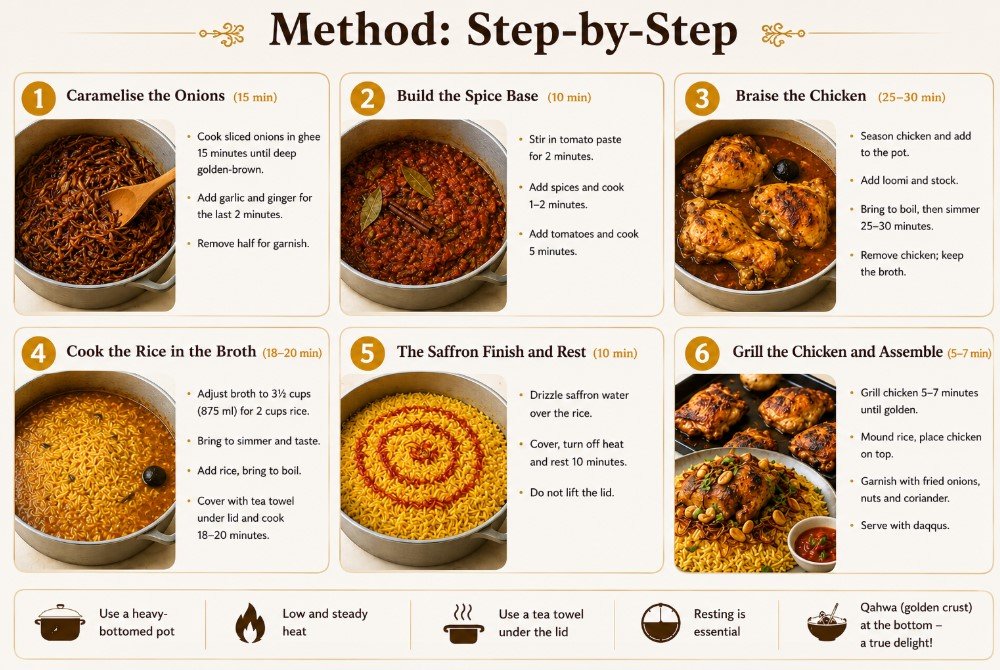
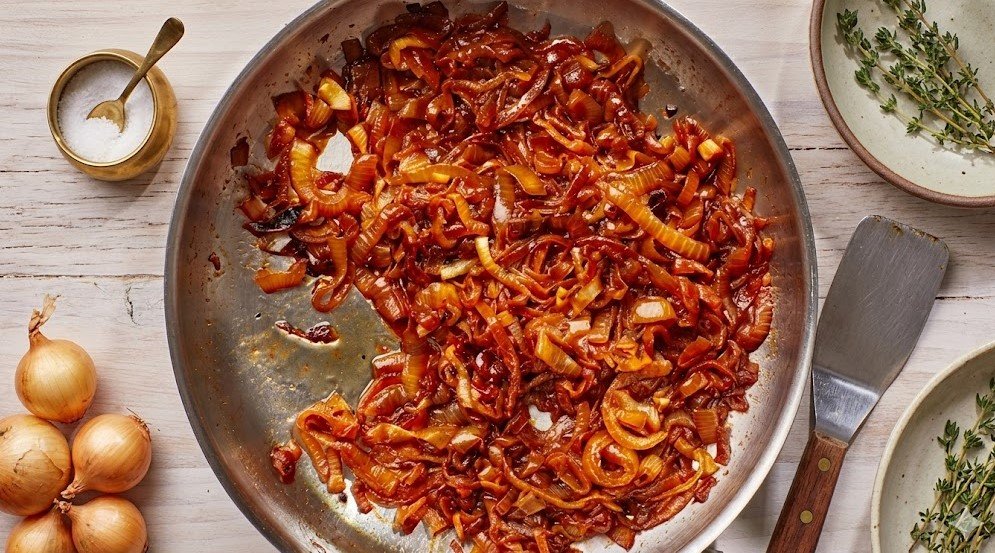
| 1 | Caramelise the Onions Properly (15 minutes) Heat ghee in a large, heavy-bottomed pot over medium heat. Add the sliced onions and cook, stirring regularly, for 12–15 minutes until they are deep golden-brown and beginning to stick. This is not sauteing — it is caramelisation, and it builds the sweet, complex backbone of machboos. Do not rush with high heat; high heat burns rather than caramelises. Add the garlic and ginger in the final 2 minutes and stir until fragrant. Remove half the onions to a plate to use as garnish later. |
| 2 | Build the Spice Base Add the tomato paste to the pot and stir into the remaining onions over medium heat for 2 minutes — this ‘blooms’ the paste and removes its raw flavour. Add the baharat spice blend, turmeric, cinnamon stick, bruised cardamom pods, cloves, and bay leaves. Stir and cook for 1–2 minutes until the mixture is fragrant and beginning to darken slightly. Add the chopped tomatoes and cook for 5 minutes until they break down and the oil separates slightly from the surface. |
| 3 | Braise the Chicken Season the chicken pieces generously with salt. Add to the pot and turn to coat in the spice base. Pierce the whole loomi with a skewer and add to the pot along with the loomi powder. Pour in the warm chicken stock until the chicken is mostly submerged. Bring to a boil, skim any foam from the surface, then reduce to a steady simmer. Cover and cook for 25–30 minutes until the chicken is just cooked through. Remove the chicken pieces to a plate — do not discard the broth. This broth is your rice cooking liquid. |
| 4 | Cook the Rice in the Broth Measure the broth remaining in the pot. You need approximately 3½ cups (875 ml) for 2 cups of dry rice — the standard ratio is 1.75:1. Add stock or water if needed to reach this quantity. Bring the broth to a simmer and taste: it should be well-seasoned and deeply aromatic. Add the drained soaked rice to the broth, stir once, and bring to a boil. Reduce heat to the lowest possible setting, place a clean tea towel between the pot and lid (the towel absorbs steam and prevents watery rice), and cook for 18–20 minutes. |
| 5 | The Saffron Finish and Rest When the rice has absorbed all the liquid and small holes appear on the surface, add the saffron-steeped water by drizzling it over the surface in a spiral. Replace the lid. Turn off the heat completely and leave the pot undisturbed for 10 minutes. This resting step allows the steam inside to redistribute, the saffron to permeate the top layer, and the rice grains at the bottom to firm up into a lightly golden crust (the qahwa — prized as the best part). Do not lift the lid during this period. |
| 6 | Grill the Chicken and Assemble While the rice rests, place the braised chicken pieces on a baking tray. Brush with a little ghee or oil and grill under a hot grill for 5–7 minutes until the skin is golden and slightly charred at the edges. This step is optional but transforms the presentation and adds a pleasant caramelised surface flavour. To serve: mound the rice on a large serving platter, arrange the chicken pieces on top, drizzle with saffron water if desired, scatter with the reserved fried onions, toasted nuts, and fresh coriander. Serve with daqqus on the side. |
Key Technique Notes
The Rice-to-Broth Ratio
The standard ratio for machboos rice is 1 cup rice to 1¾ cups broth. This produces separated, fluffy grains with a slightly sticky quality from the meat fat in the broth. Using too much liquid produces mushy rice; too little and the rice will not cook fully. Measure precisely after removing the chicken, and adjust before adding the rice.
The Tea-Towel Steam Method
Placing a clean, dry tea towel between the pot and the lid is a traditional Gulf and Persian rice technique. The towel absorbs excess steam that would otherwise drip back onto the rice and create waterlogged patches. The result is drier, better-separated grains. The towel will be damp after cooking — this is correct and expected.
The Loomi: Whole vs. Powder
Using both whole loomi and loomi powder is not redundant. Whole loomi releases its flavour slowly during the long braise, building a musky citrus depth into the broth. The powder dissolves directly and adds an immediate, sharper hit. Together they create a layered citrus quality that defines Gulf rice dishes. If you can only use one form, use the powder for a stronger impact.
Resting the Rice
The 10-minute rest after heat-off is non-negotiable. Rice that is served immediately is wet, sticky, and fragile. Rice that has rested has firmed up, separated more cleanly from the pot, and developed the crust at the base (qahwa). If you can extend this to 15 minutes, do so.
Troubleshooting
| Problem | Likely Cause | The Fix |
| Rice is mushy and stuck together | Too much liquid or too high heat during rice cook | Measure broth precisely; use lowest heat setting with towel |
| Rice is undercooked in patches | Too little broth or lid lifted too early | Add 2-3 tbsp water, replace lid, rest 5 more minutes |
| Dish lacks depth of flavour | Onions not caramelised; loomi not used | Allow full 15-min caramelisation; pierce whole loomi deeply |
| Chicken dry and stringy | Overcooked during braise | Remove at 25 min; it finishes under the grill |
| No bottom crust forming | Heat was too low or too short | After resting, briefly return pot to medium heat for 2 min |
| Rice too pale in colour | Insufficient saffron or bloom too short | Steep saffron in warm (not cold) water for min 5 minutes |
Serving, Accompaniments, and Occasion
Traditional Accompaniments
- Daqqus (tomato chutney): A cooked relish of tomatoes, coriander, green chilli, garlic, and lime juice. Spooned alongside each serving and mixed into the rice at the table. Non-negotiable at a traditional machboos meal.
- Plain yogurt: A cooling counterpoint to the warmth of the spice blend. Drizzled over the chicken or eaten as a side.
- Fattoush or garden salad: Light, acidic, and fresh — cuts through the richness of the rice and chicken fat.
- Arabic lemon water: A simple drink of cold water, sliced lemon, and a few mint leaves. The standard beverage with machboos.
When It Is Served
Machboos is Emirati celebration food. It appears at every Eid gathering, at Friday family lunches (the UAE’s equivalent of a Sunday roast), at weddings where enormous pots serve hundreds of guests, and at the hotel buffets that introduce international visitors to Emirati cuisine for the first time. It is also increasingly common as a weeknight dinner, made in smaller quantities as UAE families cook traditional dishes at home more regularly.
Storage and Reheating
- Refrigerator: Up to 3 days in an airtight container. Store rice and chicken separately for better reheating.
- Reheating rice: Add 2 tbsp water, cover, and microwave on medium for 2–3 minutes. Or place in a covered pan with 3 tbsp water and steam over low heat for 5 minutes.
- Reheating chicken: Cover with foil and warm in a 160°C oven for 12–15 minutes. Re-grill briefly to restore the caramelised surface.
- Freezer: Both rice and chicken freeze well for up to 3 months. Thaw overnight in the fridge before reheating. The rice texture softens slightly but remains acceptable.
Machboos rewards patience more than technique. The caramelised onions cannot be rushed. The loomi cannot be substituted. The resting time cannot be cut short. But none of it is complicated — it is simply sequential and deliberate. Follow the sequence, use the right ingredients, and the result will be a dish that explains precisely why it has held the centre of the Emirati table for centuries.
صحتين — Sahtain
(May it bring you twice the health — the traditional Gulf blessing said before a shared meal.)





[…] Related : Chicken Machboos Recipe – The 6 Step Guide to the UAE’s National Dish […]