| 📍 Area Bur Dubai & Deira | 🕐 Best Season Oct – Apr | ⏱ Time Needed Half to full day | 💰 Avg Cost Free – AED 50 |
Most visitors to Dubai come for the skyscrapers and leave having seen very little of the city that actually made Dubai. The gleaming towers of Downtown, the manufactured perfection of Palm Jumeirah, the scale of Dubai Mall — these are impressive, but they tell you almost nothing about where Dubai came from, or who built it, or why the Creek running through the oldest part of the city still feels like the centre of something real. Old Dubai — the districts of Bur Dubai and Deira on either bank of Dubai Creek — is the answer to all of those questions, and most tourists walk straight through it on the way to somewhere else.
The problem isn’t that Old Dubai is difficult to reach. The Dubai Metro Green Line runs directly through it, and the abra crossing costs one dirham. The problem is that most guides point everyone at the same five things: Gold Souk, Spice Souk, abra ride, Al Fahidi Historical District, done. Those are all worth doing — but they’re also what every other visitor is doing simultaneously. This guide goes further, revealing the hidden gems in Old Dubai within the lanes most people walk past and the museums most people miss.
According to Dubai Tourism’s 2025 annual report, the heritage districts of Bur Dubai and Deira collectively received over 4.2 million visitors in 2025 — and the vast majority spent fewer than three hours there. This guide is built for the person who wants to stay longer, look more carefully, and leave knowing something real about this city.
| 🗺️ How to Use This Guide The 15 gems are organised by area: Gems 1–5 cover Al Fahidi and the Bastakiya Quarter (Bur Dubai, south bank); Gems 6–10 cover Al Shindagha and Al Seef; Gems 11–15 cover Deira (north bank). The whole area is walkable or abra-connected. Dress modestly, bring cash, and aim to start before 10am in summer. |
Al Fahidi & The Bastakiya Quarter (Gems 1–5)
Al Fahidi Historical Neighbourhood — still called Bastakiya by most locals — is Dubai’s oldest surviving urban district. The wind-tower houses were built by Persian merchants in the early 1900s, the narrow lanes are deliberately shaded by overhanging walls, and the whole quarter has been carefully preserved while the rest of the city reinvented itself every decade. Most visitors see roughly 10% of it.
1. The Coffee Museum (Al Fahidi Historical Neighbourhood)
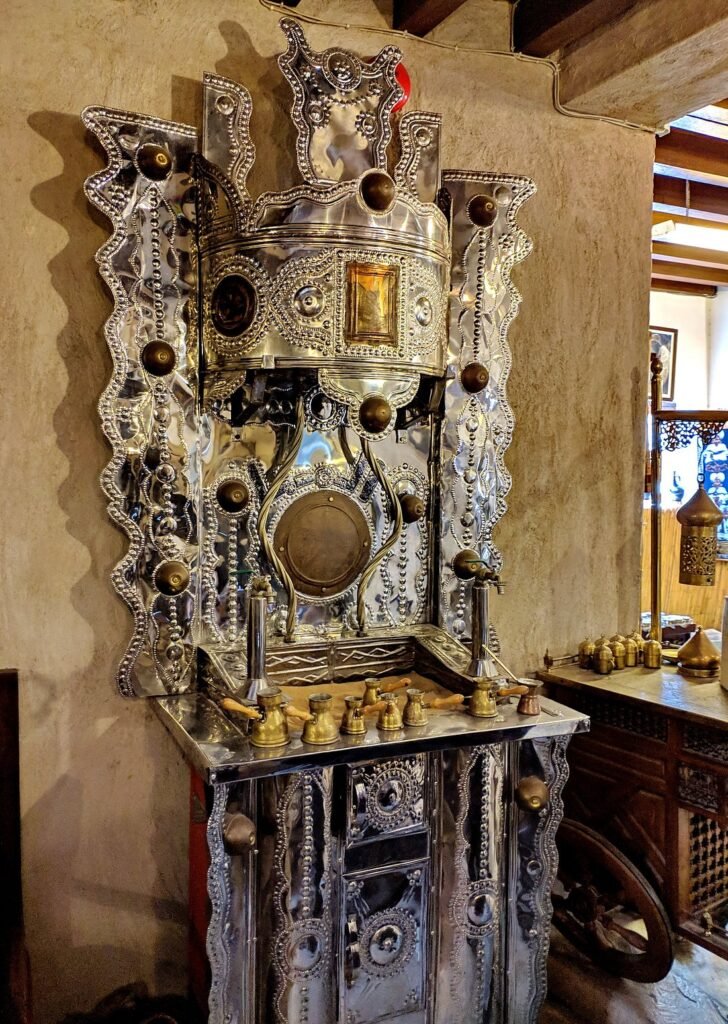
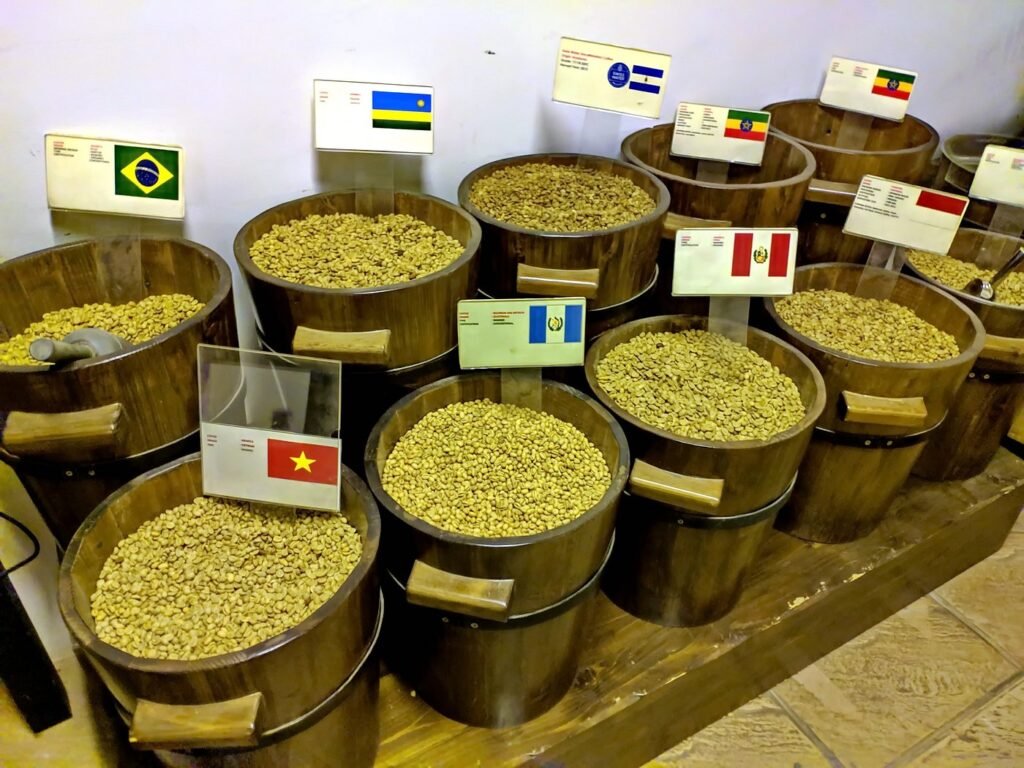
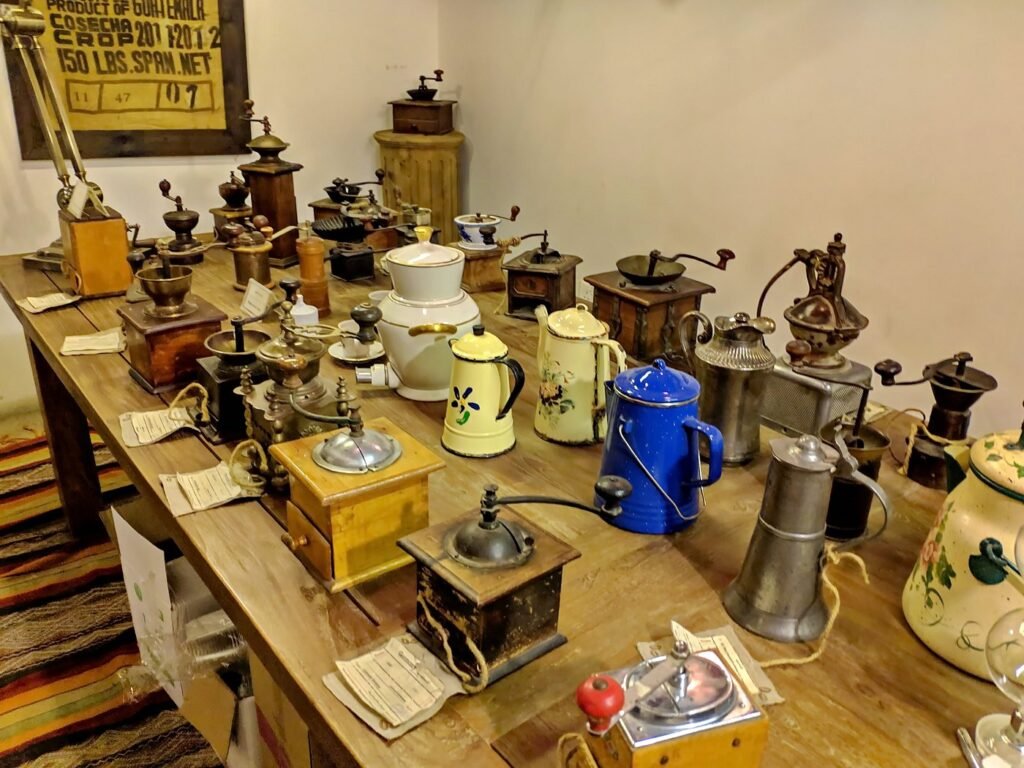
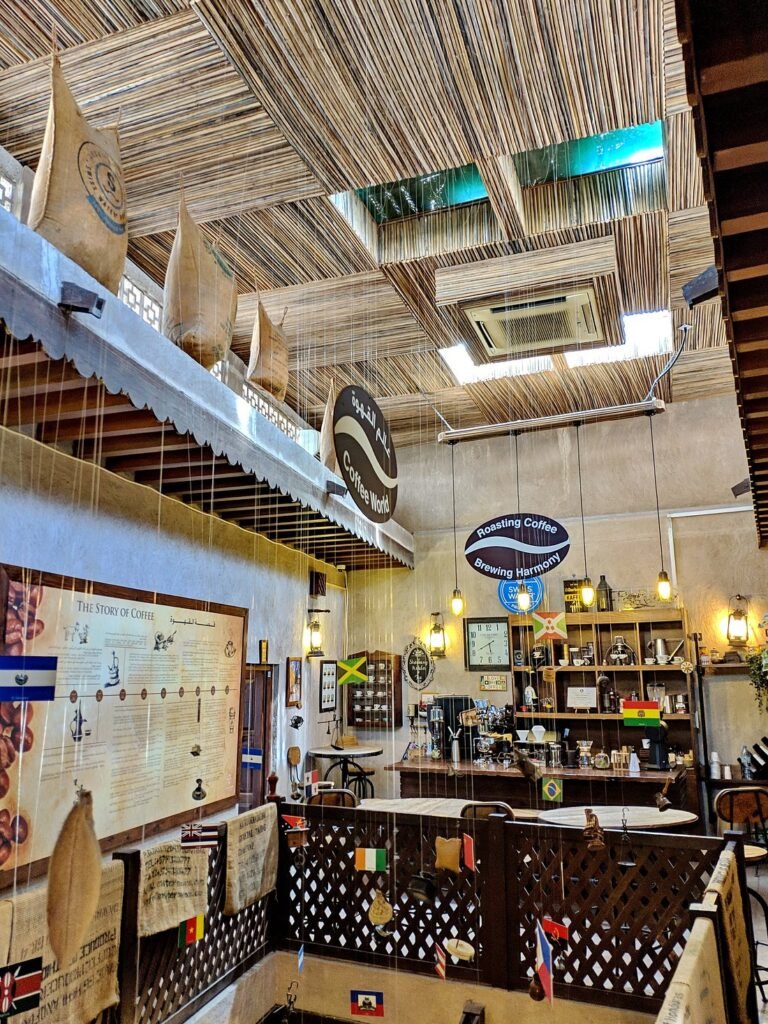
Most people walk straight past the Coffee Museum’s unmarked door on Al Fahidi Street, assuming it’s just another heritage house. Inside is one of the most carefully assembled collections of coffee culture in the Arab world — antique brass dallah pots from across the Gulf, an Ethiopian jebena clay pot used in the original coffee ceremony, Yemeni roasting pans, Ottoman copper grinders, and a timeline tracing coffee’s journey from the Ethiopian highlands through Yemen to the Arabian Peninsula and on to the world.
The museum was founded by Mohammed Al Qahtani, a Saudi coffee enthusiast who spent years collecting artefacts before opening here in 2013. It remains independently run and largely unknown to casual visitors. The back room serves freshly brewed Arabic qahwa and Ethiopian coffee prepared traditionally — the taste difference from a café approximation is significant.
📌 Address: Al Fahidi Street, Al Fahidi Historical Neighbourhood, Bur Dubai
🕐 Hours: Sat–Thu 9am–5pm; Fri 2pm–5pm
💰 Cost: AED 10–20 entry; coffee served inside
⭐ Insider tip: Visit on a weekday morning when the lane is quiet and you can hear the coffee being roasted
2. XVA Art Hotel and Gallery (Al Fahidi Historical Neighbourhood)
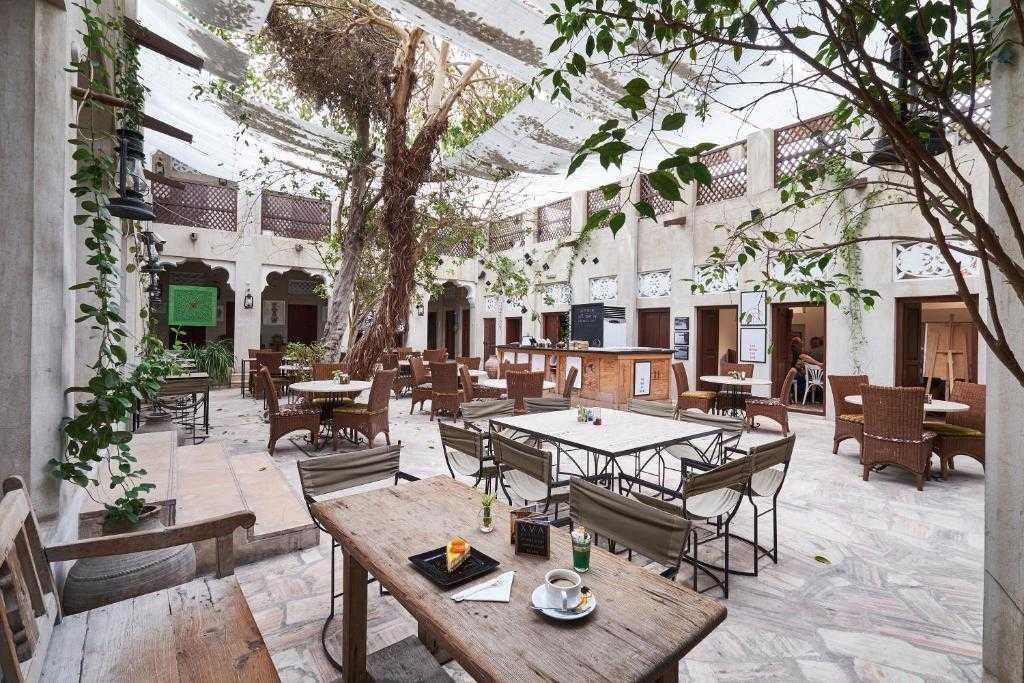
XVA is both a boutique hotel and a working contemporary art gallery, housed in a restored 1950s wind-tower building in the heart of the Bastakiya quarter. The gallery has been showing regional and international contemporary art since 2003, making it one of Dubai’s oldest independent art spaces — in a city where most galleries open and close within a few years, that longevity says something.
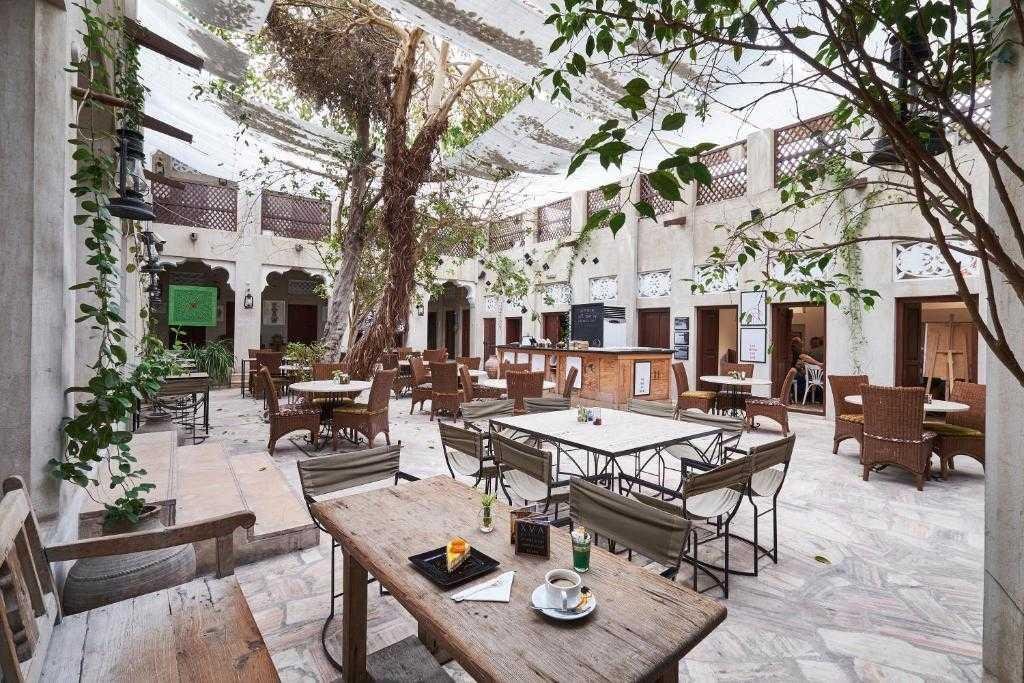
The ground-floor café is entirely vegetarian — unusual here — and serves a menu of Turkish eggs, XVA thali, and mezze platters that attracts a mixed crowd of artists, architects, expats, and clued-in tourists. The inner courtyard, shaded by a sail canopy and surrounded by heritage walls, is one of the most peaceful places to sit in all of Dubai.
📌 Address: Al Fahidi Historical Neighbourhood — look for the painted wooden sign
🕐 Hours: Gallery Sat–Thu 10am–6pm; café daily 8am–10pm
💰 Cost: Gallery free; café mains AED 50–90
⭐ Insider tip: Book a courtyard table for dinner — fairy lights, wind towers, no traffic noise. Reservation essential on weekends
3. Sheikh Mohammed Centre for Cultural Understanding (SMCCU) (Al Fahidi Historical Neighbourhood)
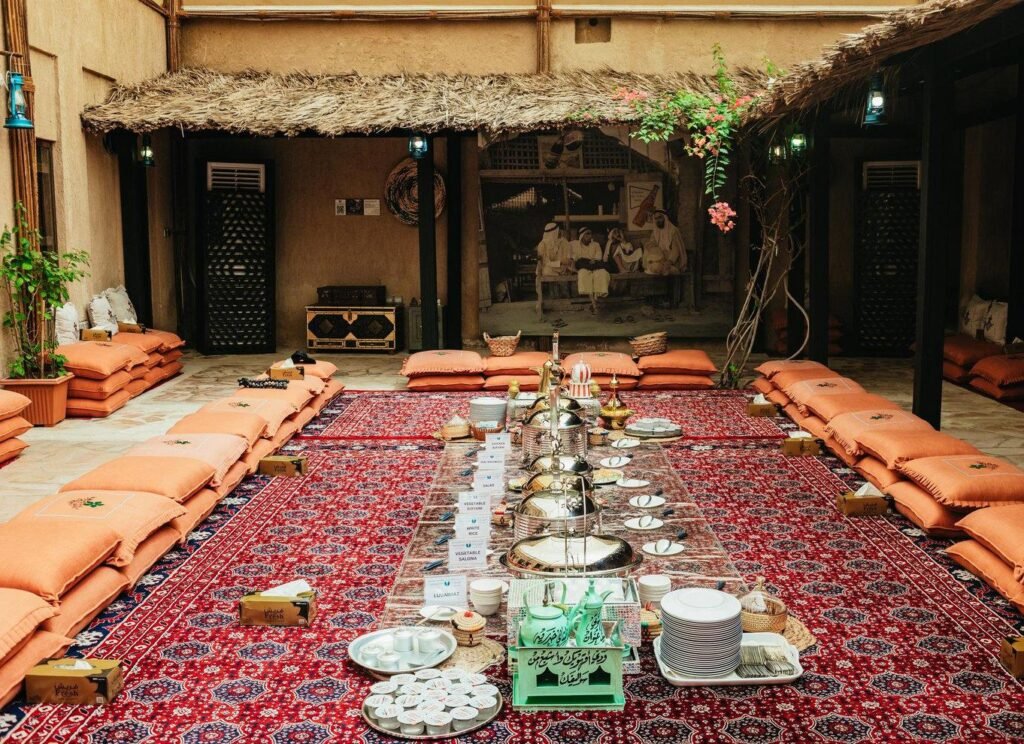
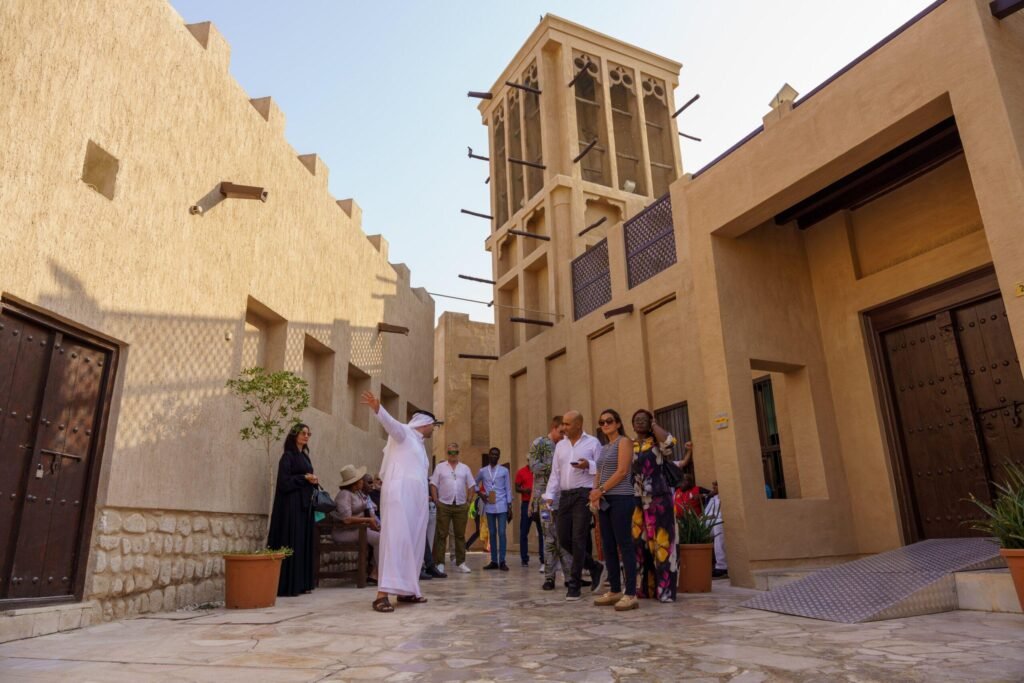
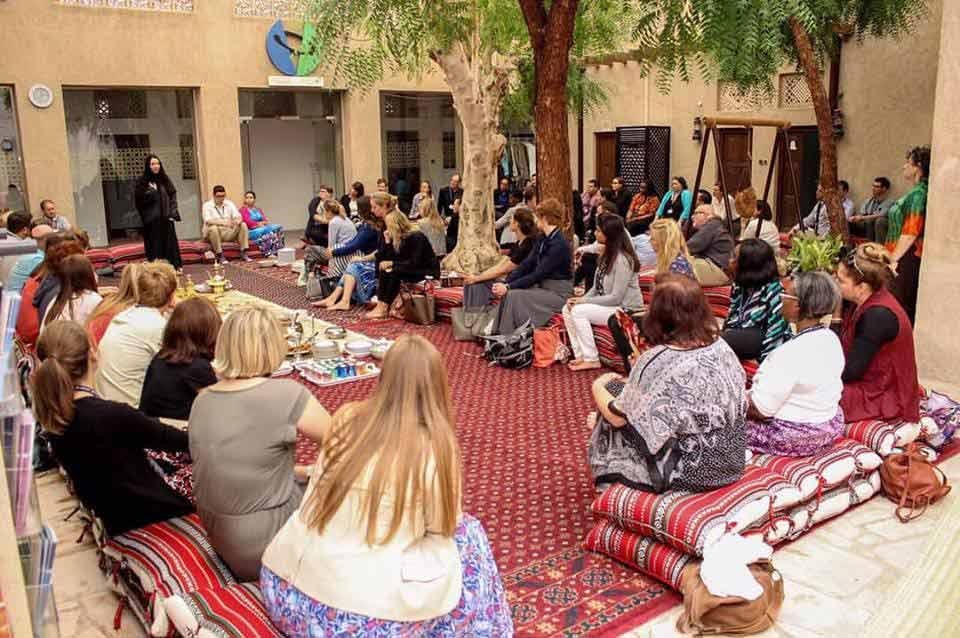
The SMCCU operates on a simple principle: open doors, open minds. Founded in 1998, it offers cultural meals, heritage tours, and mosque visits led by Emirati hosts who answer questions about religion, culture, and daily life with a directness no guidebook can replicate. The cultural meals’,’https://cultures.ae — held in a heritage courtyard — include traditional Emirati dishes followed by an open Q&A that regularly runs over its scheduled time because the conversations get genuinely interesting.
The mosque visits, which run on Sunday, Tuesday, and Thursday mornings, are among the only opportunities for non-Muslims to enter a functioning Dubai mosque with proper explanation and context. The Al Fahidi mosque tour is more intimate than the tourist-facing Jumeirah Mosque option and considerably less managed.
📌 Address: Al Musalla Road, Al Fahidi Historical Neighbourhood
🕐 Hours: Cultural meals Sat & Sun 10am–12pm; Tue & Thu 1pm for lunch
💰 Cost: Cultural meals AED 150–180; mosque tours AED 25
⭐ Insider tip: Book at least a week ahead — the meals consistently sell out October to April
4. The Crossroads of Civilizations Museum (Al Fahidi Historical Neighbourhood)
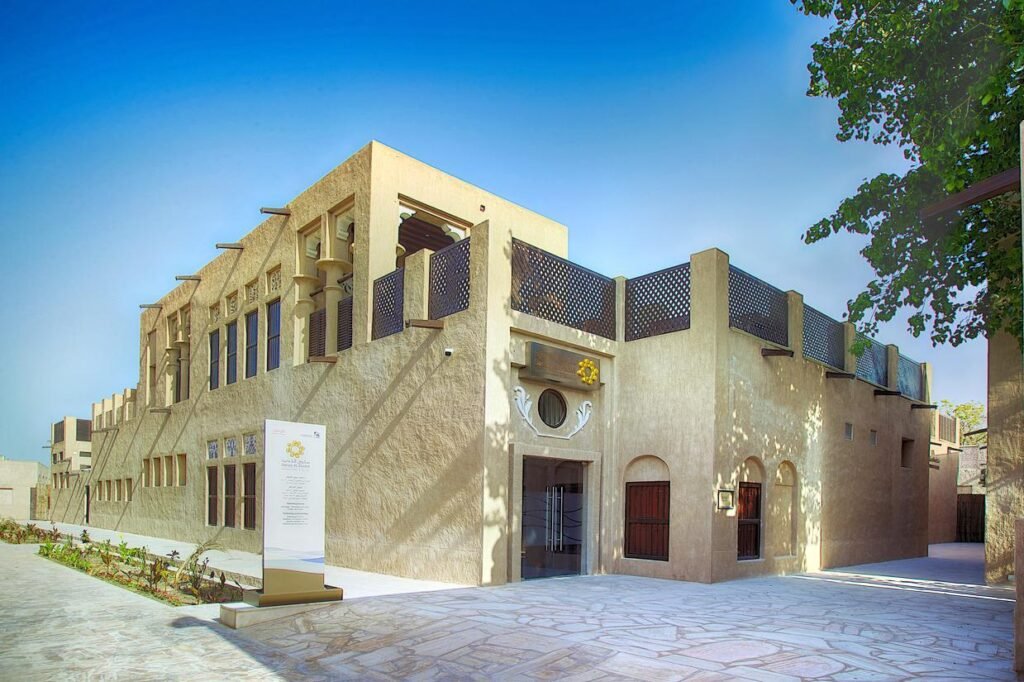
This small private museum in a restored Bastakiya house covers a specific and genuinely fascinating subject: the history of writing, trade, and cross-cultural exchange across the ancient world, with particular focus on the role of the Arabian Gulf as a conduit between civilisations. The collection includes Mesopotamian clay tablets, early Islamic manuscripts, Persian miniatures, and objects from the ancient Indian Ocean trade routes that made Dubai Creek significant long before oil.
It has almost no online presence and no visible street signage — most people find it by accident or not at all. Founded by Ahmed Al Mansoori, it is privately funded and reflects a personal passion for the region’s pre-modern history. Entry is AED 10 and the guides speak in remarkable depth about every object on display.
📌 Address: Al Fahidi Street, Al Fahidi Historical Neighbourhood
🕐 Hours: Sat–Thu 9am–5pm
💰 Cost: AED 10 entry
⭐ Insider tip: Ask the guide about the dhow trade routes — they will talk for as long as you want to listen
5. The Bastakiya Street Art Walk (Al Fahidi Historical Neighbourhood)
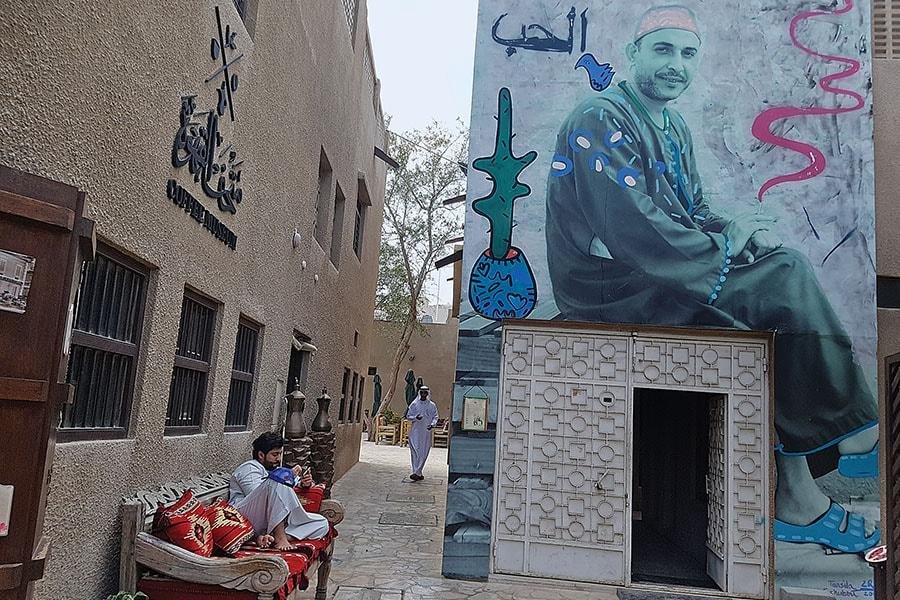
Between the heritage museums and the tourist cafés, Al Fahidi’s lanes contain a slowly accumulating collection of large-scale street murals by regional artists, commissioned by the district’s management authority and rotated every few years. The current 2026 rotation includes a striking portrait series of Old Dubai’s working communities — Bangladeshi fishermen, Iranian spice merchants, Emirati pearl divers — painted in a photorealistic style that stops people mid-stride.
Combined with the organic texture of the wind-tower lanes themselves, the effect is of an open-air gallery that doesn’t announce itself as one. There are no entrance fees, no opening hours, no queues at 8am. The lane running parallel to the Creek has the highest concentration of works.
📌 Location: Throughout Al Fahidi Historical Neighbourhood lanes
🕐 Hours: Always accessible
💰 Cost: Free
⭐ Insider tip: 7am–9am is the best window — quiet lanes and soft morning light for photography
Al Shindagha & Al Seef (Gems 6–10)
Al Shindagha was where Dubai’s ruling Al Maktoum family lived from the mid-19th century until the 1950s. The area sits at the mouth of Dubai Creek and its buildings — low, thick-walled, wind-tower structures — represent the oldest surviving architecture in the emirate. Dubai Municipality has invested heavily in transforming the district into a museum complex since 2016, and the result is one of the most ambitious heritage interpretation projects in the Gulf.
6. Al Shindagha Museum (Al Shindagha District)
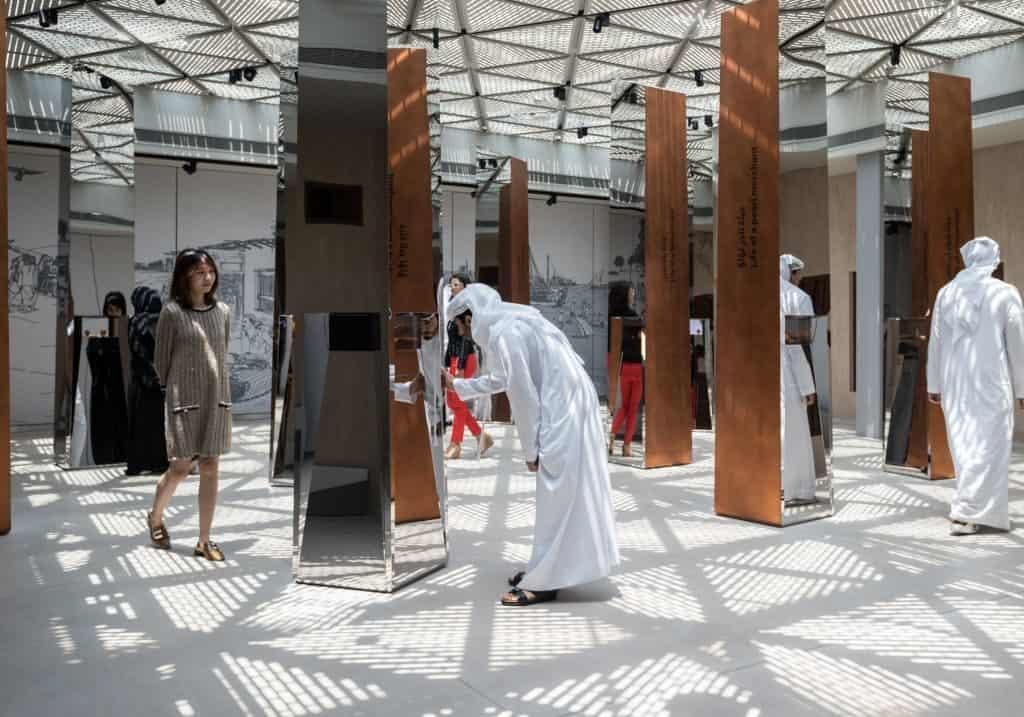
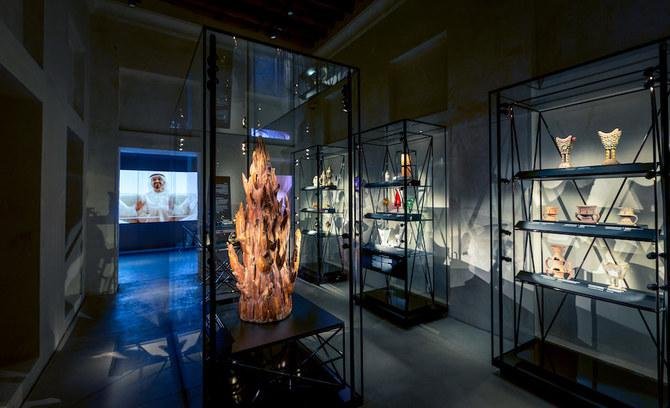
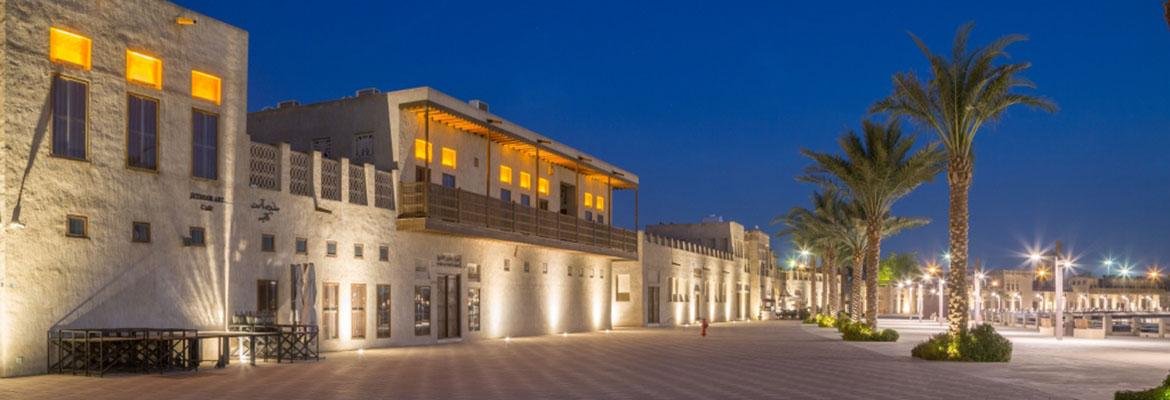
Al Shindagha Museum is one of the most underrated heritage destinations in the UAE. Spread across 22 pavilions within 80 restored historic houses, it covers everything from the history of perfume and incense trade along the Gulf to the technology of falconry, the social structure of pearl-diving communities, and the evolution of Dubai from a small fishing settlement to a global trading city. Most visitors allocate 45 minutes and stay for three hours.
The Perfume House pavilion alone justifies the visit: it documents the history of oud and frankincense in Gulf culture with actual trade vessels, historical records, and accounts going back to the 10th century. At AED 30, it is among the best-value cultural experiences in the city.
📌 Address: Al Shindagha Historical District, Bur Dubai
🕐 Hours: Sat–Thu 10am–8pm; Fri 2pm–8pm
💰 Cost: AED 30 adults; AED 15 children; under 3 free
⭐ Insider tip: Download the museum app before arriving — the audio guides for each pavilion significantly deepen the experience
7. Saruq Al-Hadid Archaeology Museum (Al Shindagha District)
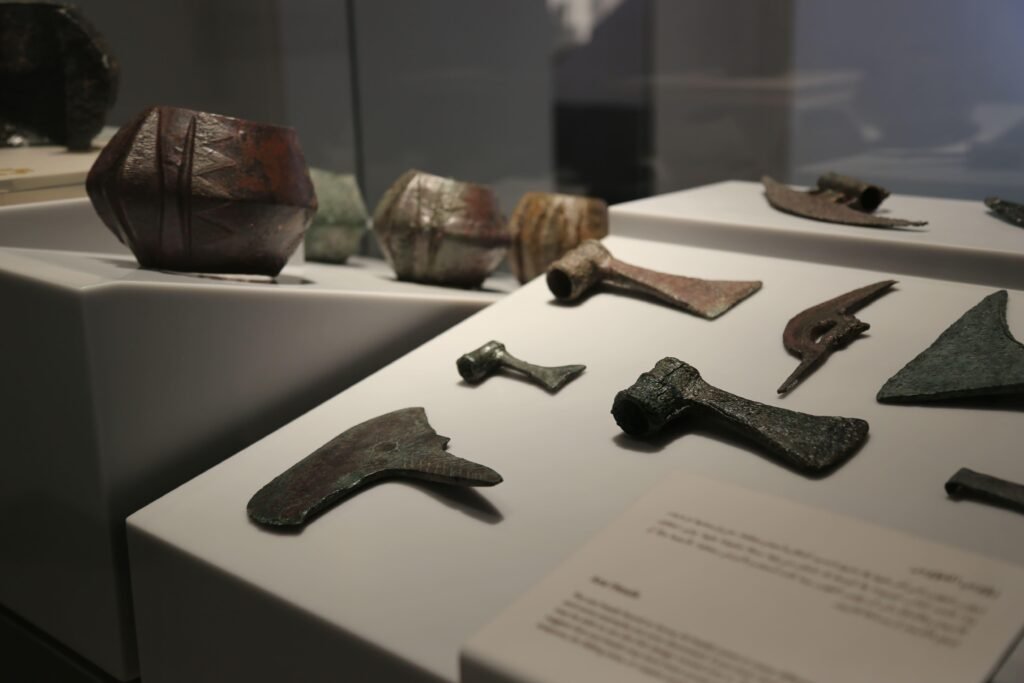
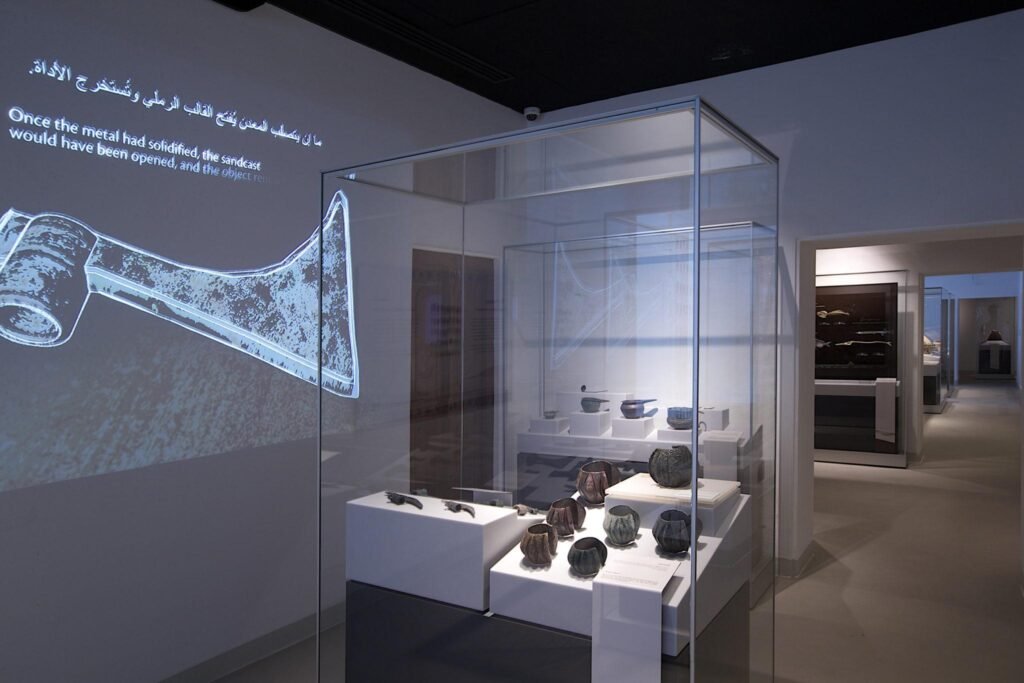
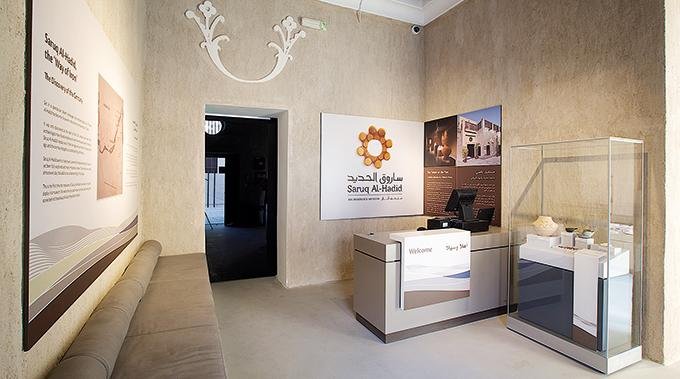
Most visitors to Dubai operate on the assumption that the emirate has no meaningful pre-oil history. Saruq Al-Hadid makes a compelling argument otherwise. The museum is built around artefacts recovered from a single Dubai desert site: a cache of Bronze Age and Iron Age objects — copper weapons, gold jewellery, ivory figurines, carnelian beads — discovered by Sheikh Mohammed bin Rashid Al Maktoum during a falcon-hunting trip in 2002 and subsequently excavated by the Dubai Museum of the Future Foundation. The objects date from 3,000 BCE to 600 CE and document continuous human habitation in the region across three millennia.
The museum’s interactive design is particularly well-executed — artefacts are displayed in digitally enhanced cases that show their archaeological context and geographical origin. It receives a fraction of the footfall of the Dubai Museum despite being arguably more significant historically.
📌 Address: Al Shindagha Historical District, adjacent to Al Shindagha Museum
🕐 Hours: Sat–Thu 10am–8pm; Fri 2pm–8pm
💰 Cost: AED 20 adults; children under 12 free
⭐ Insider tip: The copper collection from the Iron Age site is the standout — the metallurgical sophistication is genuinely unexpected for the period and location
8. The Dhow Wharfage (Deira Waterfront, Creek North Bank)
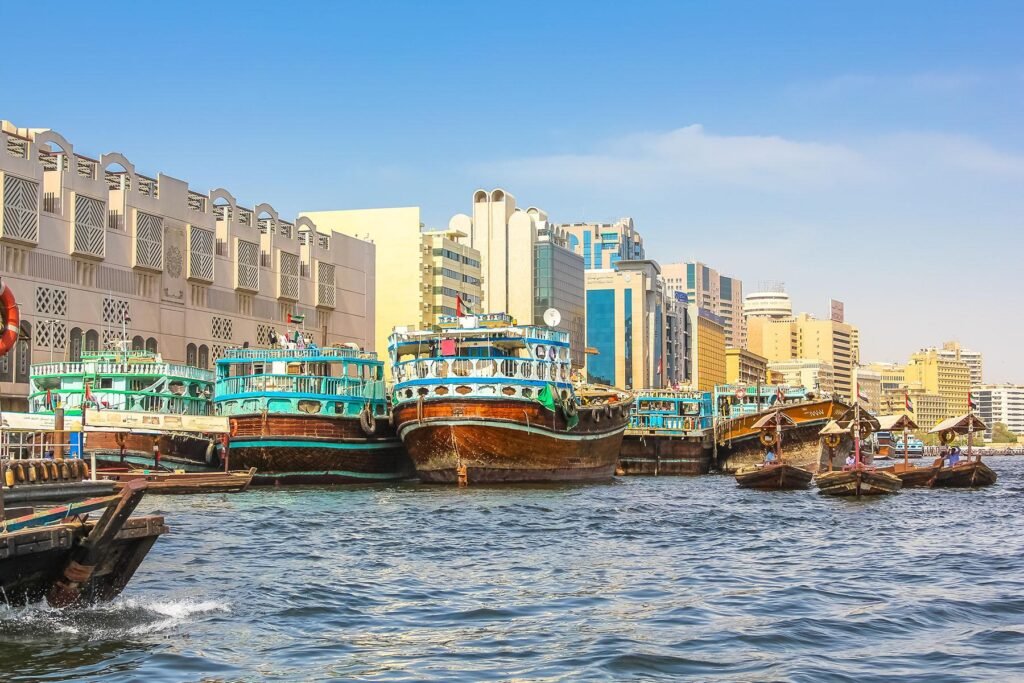
The wooden dhow wharfage stretching along the Deira bank of Dubai Creek is one of the few places in the city where a centuries-old commercial practice continues completely unchanged. Every morning, traditional wooden dhows — some over 30 metres long — are loaded with goods destined for Iran, Oman, Somalia, India, and East Africa: refrigerators, electronics, bolts of fabric, bags of cement. The trade is fully legal, largely cash-based, and has been running in some form since the 18th century.
The loading activity happens between 6am and 10am — well before most tourists arrive. Walking the wharfage at 7am, watching the wooden boats being loaded under floodlights with goods for ports across the Indian Ocean, is a more affecting experience of Dubai’s commercial history than any museum exhibit. Walk to the far northern end where the oldest dhows are moored — some have been in service for over 40 years.
📌 Location: Baniyas Road waterfront, Deira (north bank of Dubai Creek)
🕐 Best time: 6am–10am for active loading; sunset for photography
💰 Cost: Free
⭐ Insider tip: Thursday mornings see the largest cargo movements ahead of the Friday break
9. Al Seef Heritage District — The Quiet End (Al Seef, Bur Dubai)
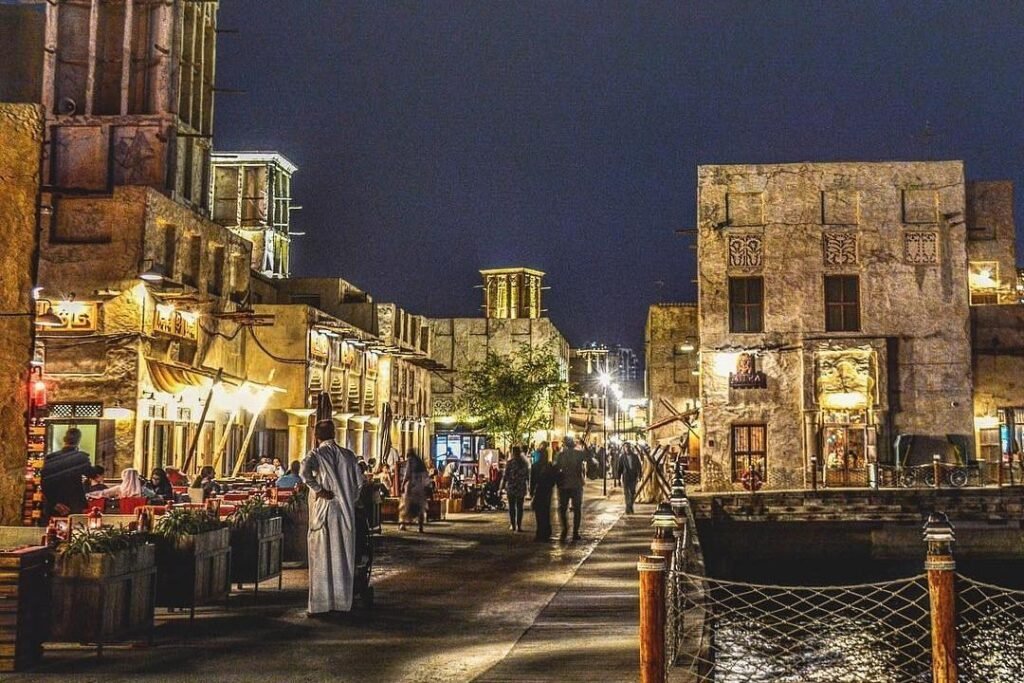
Al Seef is a 1.8km waterfront development reopened in 2017 as a reimagined heritage promenade. Most visitors photograph the well-known stretch near the abra docks and leave. The quiet end, stretching further south along the Creek, is where Al Seef becomes genuinely interesting: smaller independent shops, family-run Emirati cafés, and unobstructed creek views with no tour groups in the frame. According to Dubai’s Urban Development Authority, the southern zone was specifically designed for residents rather than tourists, which explains the deliberate absence of large food chains there.
At golden hour, when the light catches the Creek and the call to prayer sounds from the Shindagha mosques, the southern end of Al Seef is one of the most atmospheric places in the whole city. The contrast between heritage dhow silhouettes on the water and the distant Downtown skyline captures something true about what Dubai actually is.
📌 Location: Al Seef Road, Bur Dubai — walk south from the main Al Seef hub
🕐 Best time: 4pm–7pm (Oct–Apr) or 5pm–8pm (May–Sep) for sunset
💰 Cost: Free; café prices AED 15–50
⭐ Insider tip: The small Emirati café near the southern end has no sign — follow the karak smell and look for the plastic chairs facing the Creek
10. Frying Pan Adventures Food Tours (Deira & Bur Dubai Souks)
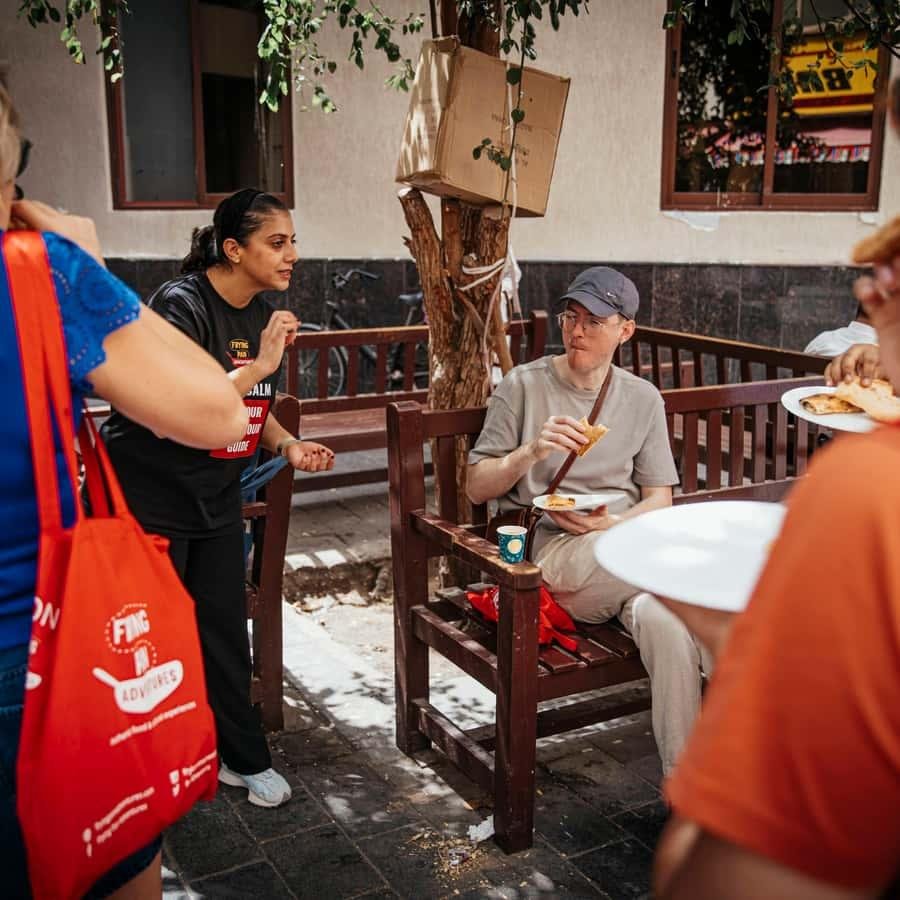
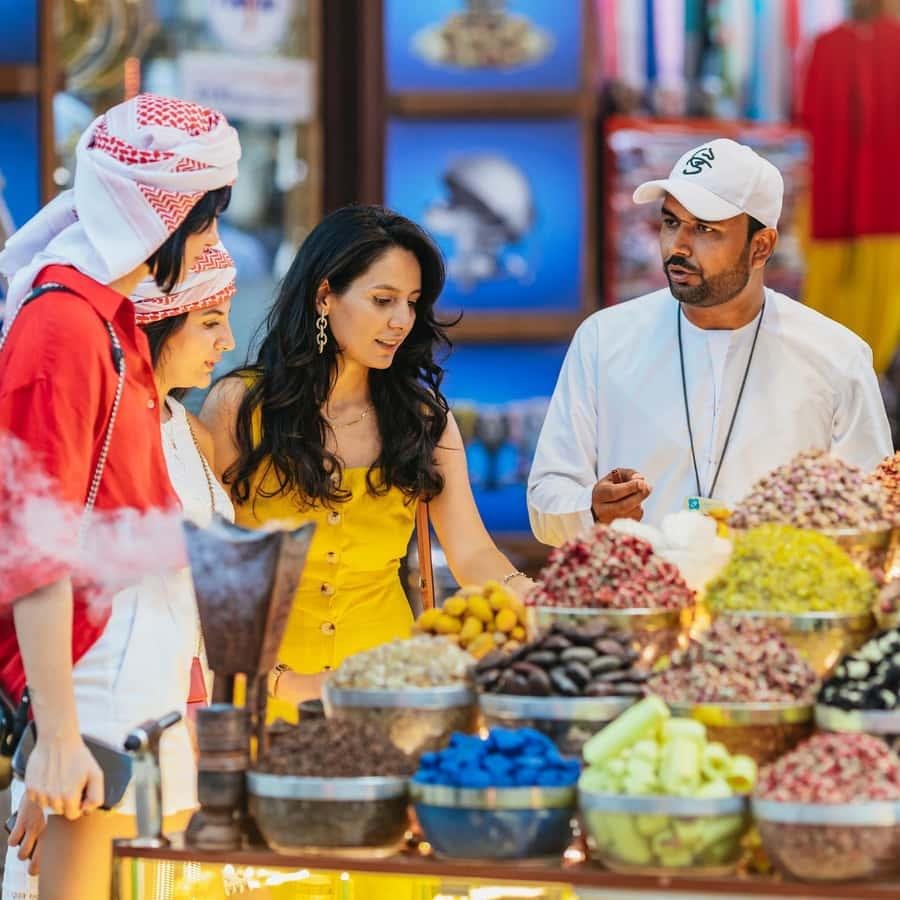
Founded in 2013 by sisters Arva and Farida Ahmed — who grew up in Dubai when the city still had a more village-like character — Frying Pan Adventures runs small-group food tours through Old Dubai’s souks and streets that are widely regarded as the best food experience in the city. Their tours do not take you to restaurants. They take you to a Syrian hummus stall in the same location for 25 years, a Yemeni fish shop at the Deira Fish Market, a Pakistani bakery frying samboosa to order at 7am, an Iranian pickle shop behind the Spice Souk.
The guides explain not just the food but the communities that produce it — the Indian workers who arrived in the 1960s construction boom and never left, the Iranian merchants who crossed the Creek by dhow, the Yemeni fishermen who have worked these waters for generations. Tours run most evenings from 4:30pm and cost AED 350–400 per person including all food.
📌 Booking: fryingpanadventures.com — advance booking essential
💰 Cost: AED 350–400 per person; all food included
🕐 Best tour: Dubai Souks and Creekside Food Walk (3.5 hours) for first-timers
⭐ Insider tip: The Ramadan evening souk tour books out weeks in advance and is the single best food experience in Dubai — plan ahead
Deira: North of the Creek (Gems 11–15)
Cross the Creek by abra — one dirham, roughly two minutes, worth doing at least twice — and you enter a different Dubai entirely. Deira is denser, louder, more fragrant, and considerably less curated than Bur Dubai. According to the Dubai Statistics Centre, Deira is home to residents from over 100 nationalities, making it one of the most diverse square kilometres of urban space anywhere in the world. The streets around the souks are a functioning commercial district: wholesale spice traders, Pakistani phone repair shops, Iranian sweet stores, Indian fabric merchants, gold dealers conducting business in four languages simultaneously.
11. The Perfume Souk (Deira, Al Ras)
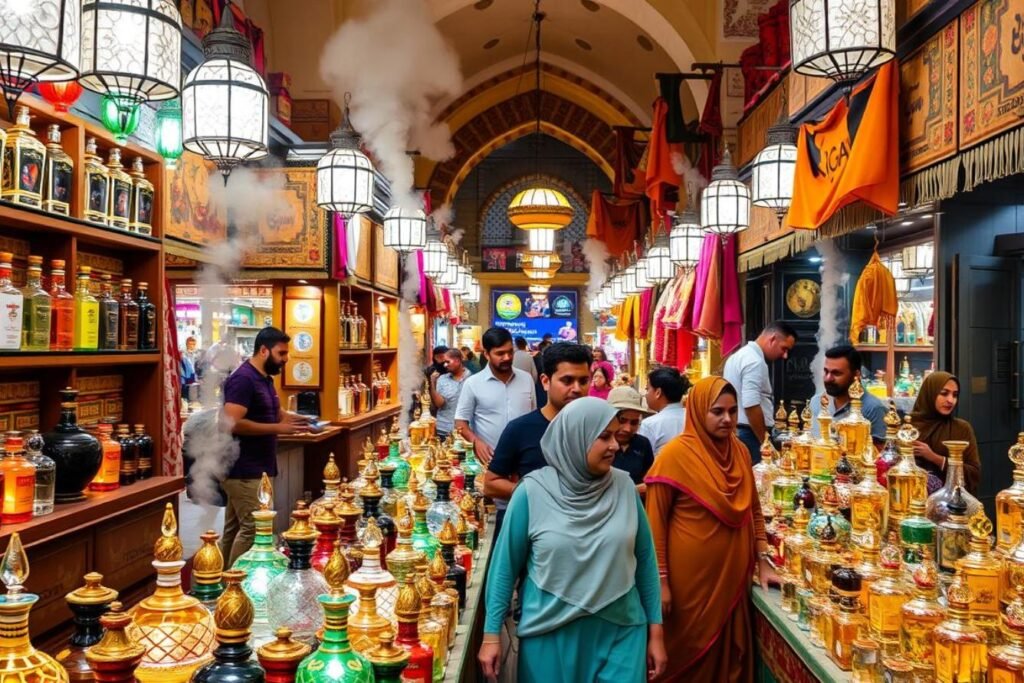
Most visitors to the Gold and Spice Souks walk straight past the Perfume Souk, which occupies a stretch of Sikkat Al Khail Street adjacent to the Gold Souk. The most interesting shops here are the ones run by Omani and Yemeni families who import raw oud wood and distil their own oils on the premises. The smell in these shops is extraordinary — a dark, resinous warmth that is as far from synthetic Western perfume as it is possible to get.
Most shops will let you try 20 different oud oils before any expectation of purchase. Prices for quality oud oil start at AED 80–150 for a small vial and rise steeply; the most prized Cambodian and Indian grades cost thousands of dirhams per tola. Even if you are not buying, spending an hour with these vendors — who can tell you the country, region, and tree age of every oil in their collection — is one of the most educational experiences Old Dubai offers.
📌 Location: Sikkat Al Khail Street, adjacent to Deira Gold Souk
🕐 Hours: Sat–Thu 10am–10pm; Fri 4pm–10pm
💰 Cost: Free to browse; oud oils from AED 80
⭐ Insider tip: Ask specifically for Hindi oud (Indian origin) — among the finest grades, often kept behind the counter rather than on display
12. The Deira Covered Souk (Al Souk Al Kabeer) (Deira, Al Ras)
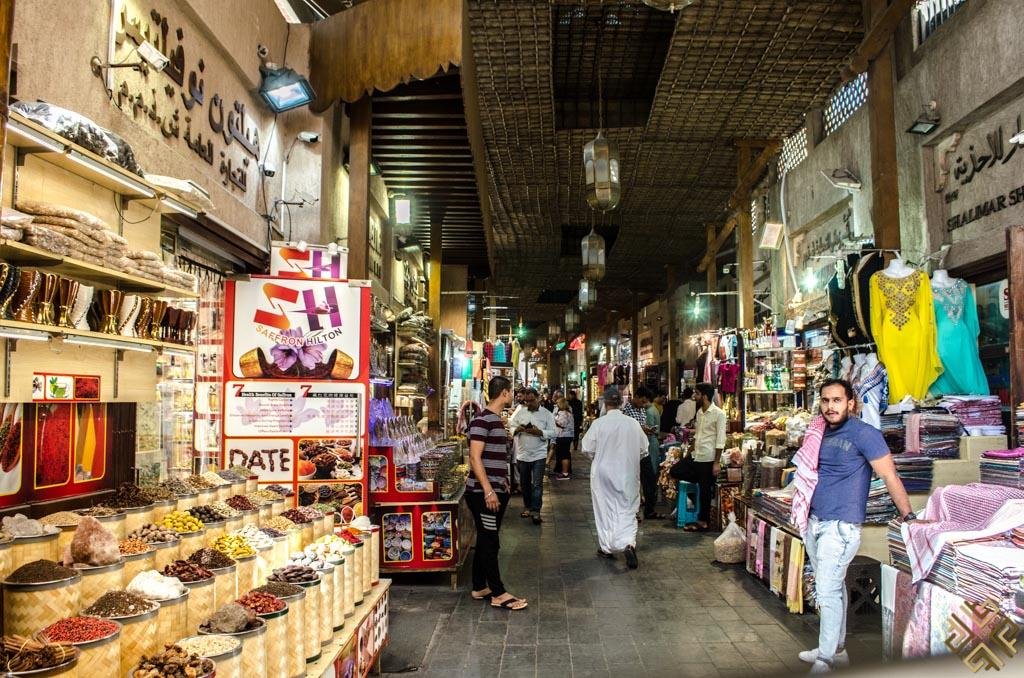
The Deira Covered Souk — properly Al Souk Al Kabeer — is the sprawling market most visitors enter briefly from the Gold Souk end and quickly abandon because it’s confusing and doesn’t have obvious things to photograph. This is exactly why it is one of the best places in Old Dubai. The souk is a genuinely working market: rolls of polyester fabric for Indian wedding guests, stainless steel pots the size of car tyres, 47 varieties of prayer beads, plastic sandals, fresh jasmine garlands, traditional Emirati incense burners, Pakistani spices in bulk quantities.
The covered section dates to the 1970s and the original wooden structure it replaced was there from the early 1900s. Walking it in the early evening — when the stalls are fully lit and the lanes are busy with local residents — produces a sensory density that no heritage museum can replicate. A single purchase — a bag of dates, a handful of saffron — connects you to a commercial tradition that has run on this site for over a century.
📌 Location: Al Ras area, Deira — enter from Baniyas Road or via the Gold Souk
🕐 Hours: Sat–Thu 10am–10pm; Fri 4pm–10pm
💰 Cost: Free to walk; bargain confidently on all goods
⭐ Insider tip: The section selling traditional Emirati kandura and abaya fabric is at the western end near the creek — rarely visited by tourists
13. Meena Bazaar and Temple Lane (Bur Dubai, near the Textile Souk)
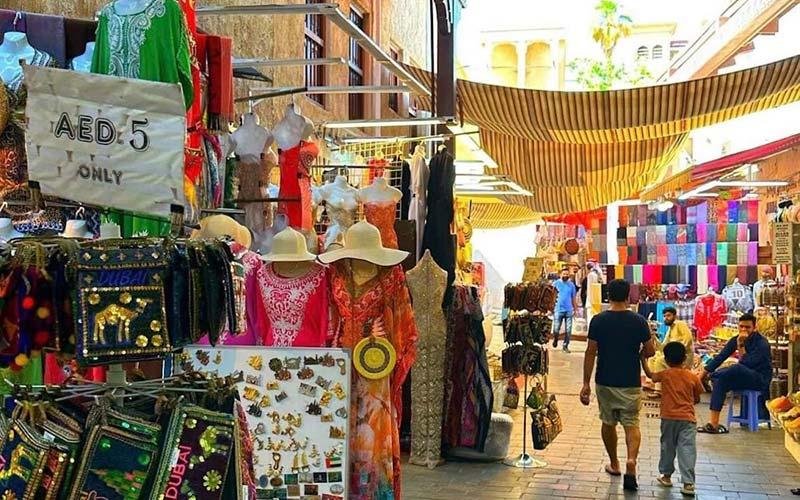
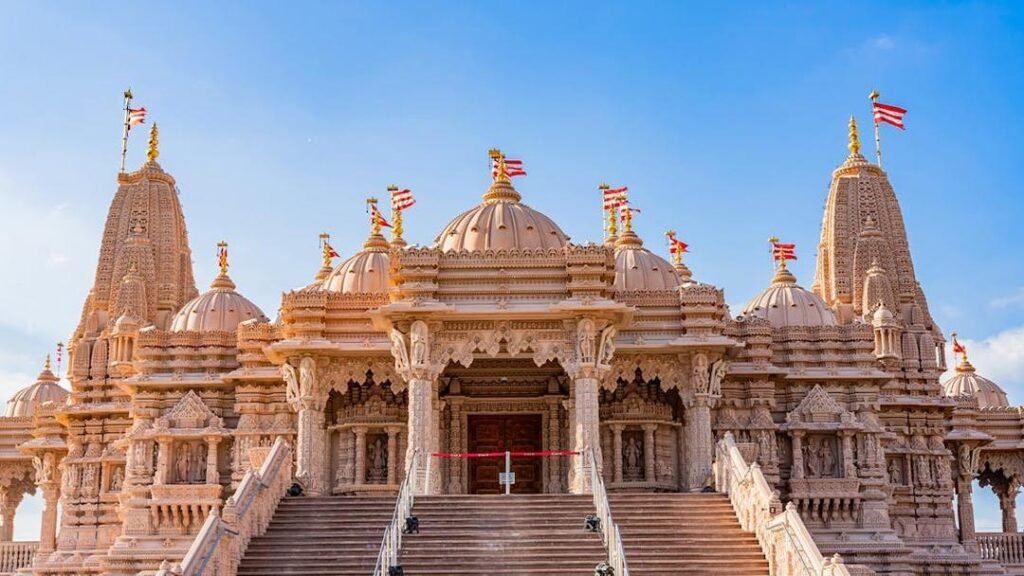
Meena Bazaar is the commercial and cultural heart of Dubai’s South Asian community — a dense cluster of fabric shops, gold jewellers, street food stalls, and bridal boutiques around the Textile Souk in Bur Dubai. Most visitors are directed away from it towards more photogenic destinations. The most remarkable feature is Temple Lane — a narrow alley where a Hindu temple, a Sikh gurdwara, and a small Jain temple stand within metres of each other, surrounded by flower sellers hawking jasmine and marigold garlands for religious offerings.
The flowers and incense, the sound of devotional music from the temple interiors, and the presence of worshippers conducting daily practice in the middle of a busy commercial district create an experience of everyday religious coexistence that is genuinely moving and completely unmarketed. This is one of those places in Dubai that reminds you the city’s diversity isn’t a branding exercise — it’s just how people live here.
📌 Location: Al Souk Al Kabir area, Bur Dubai — follow the flower garland sellers
🕐 Hours: Temples typically 6am–12pm and 5pm–9pm daily
💰 Cost: Free; small donation appropriate if entering a temple
⭐ Insider tip: Arrive before 8am for the daily puja ceremony alongside the flower market in full operation
14. The Deira Fish Market (Al Ras Fish Market) (Deira, Al Ras)
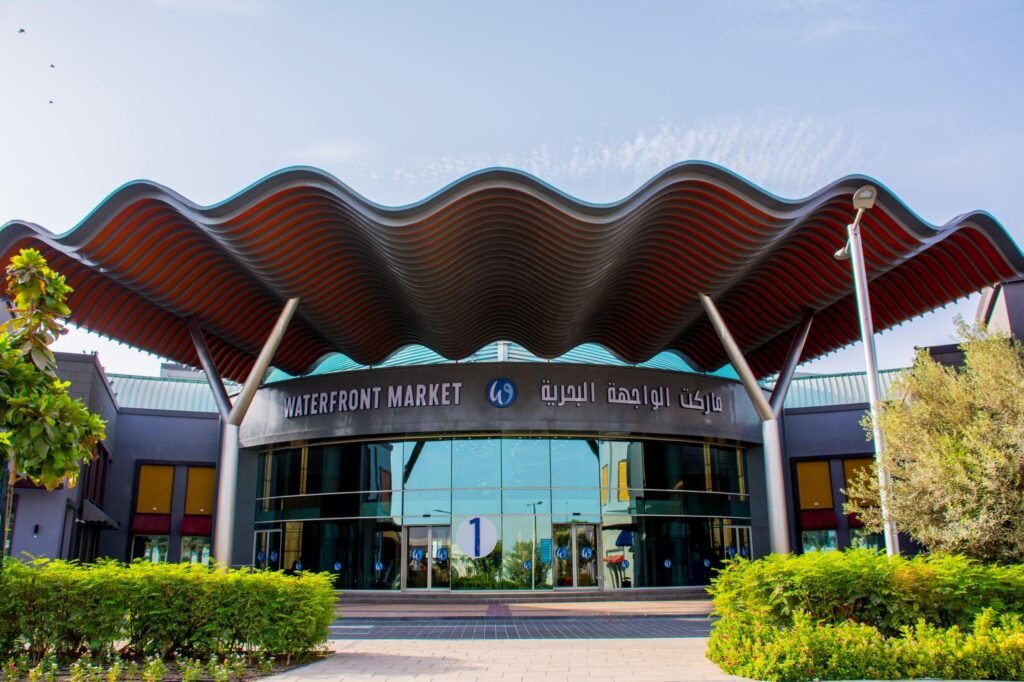
Dubai has a fish market that almost no tourist visits, for the simple reason that it opens at 5am and the most interesting activity is over by 8am. The Al Ras Fish Market is one of the largest in the Gulf: a covered hall where the morning’s catch from the Arabian Gulf is auctioned and sold wholesale to restaurants and retailers across the city. The fish — hammour, kingfish, safi, barracuda, fresh tuna — arrive from overnight fishing dhows and the auction happens in a mixture of Arabic, Hindi, and Urdu at a pace and volume that is startling.
The retail section, which opens slightly later, sells fish at prices approximately 40% lower than supermarkets charge for the same species. The fishmongers will clean, fillet, and bag your purchase for free. Visiting before 8am and then walking the Deira waterfront to watch the dhow loading is one of the most complete immersions in Old Dubai’s working character available.
📌 Location: Al Khaleej Road, Al Ras, Deira — near the abra docks
🕐 Hours: 5am–12pm for auction; retail until 2pm daily
💰 Cost: Free to visit; fish from AED 15/kg
⭐ Insider tip: Thursday mornings see the largest catch of the week — Emirati families traditionally buy fish for Friday family lunch
15. Arabian Tea House — The Emirati Breakfast (Al Fahidi Historical Neighbourhood)
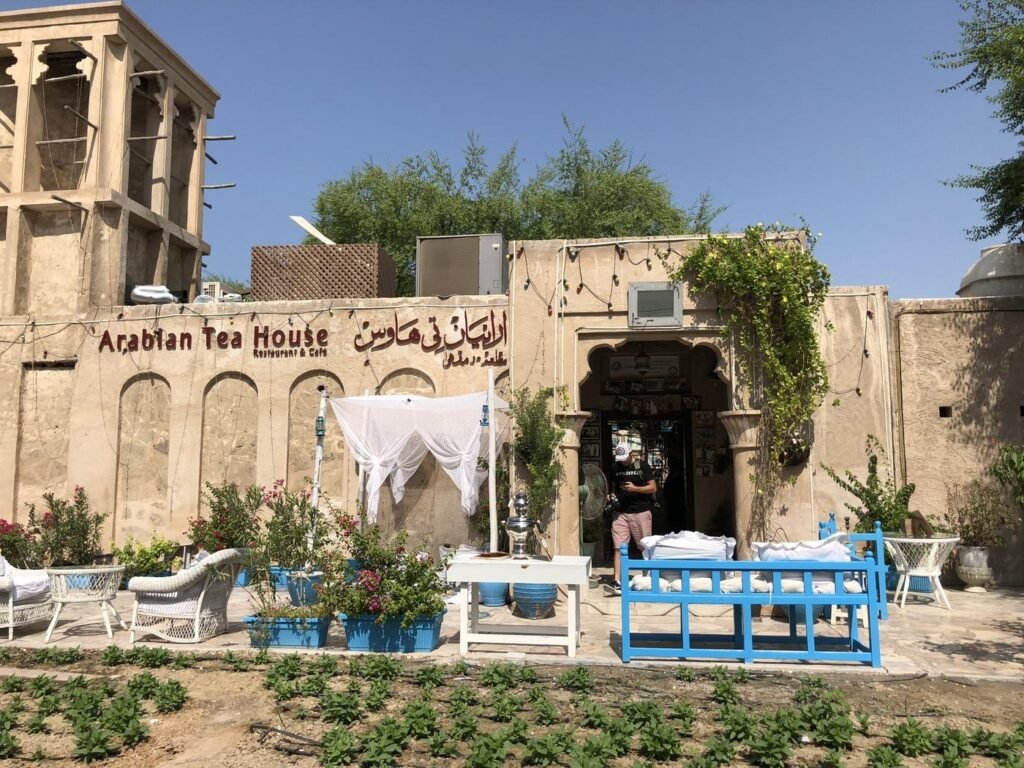
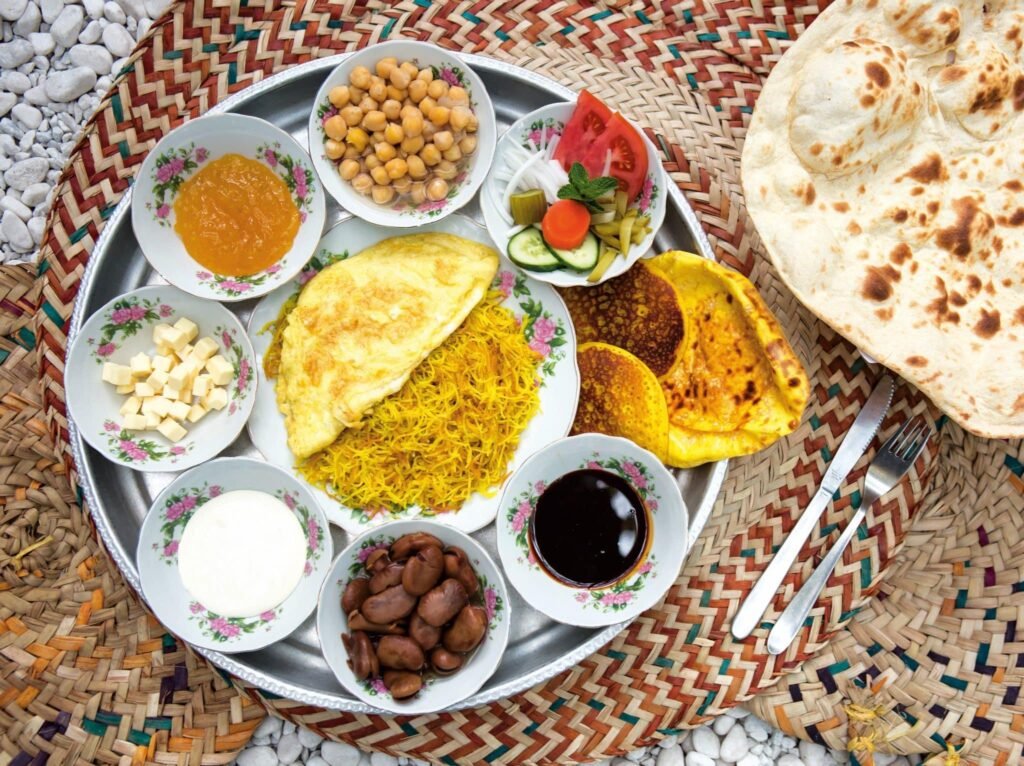
Arabian Tea House is well-known enough to require weekend reservations — but most visitors eat from the international menu and miss the point entirely. The Emirati breakfast tray, offered only until 11am and only if you ask specifically, is one of the most complete introductions to traditional Gulf breakfast culture available anywhere in Dubai: chebab (saffron pancakes) with date syrup and cream cheese, khameer bread with honey, balaleet, fried eggs with tomatoes, dates, laban, and a pot of cardamom coffee.
Eating this breakfast in the courtyard — where wind-tower walls create shade and the only sounds are Arabic music from somewhere inside and the occasional call to prayer from the nearby mosque — is a genuinely transportive experience. It costs AED 65–85 per person and takes about an hour if you are eating properly rather than photographing for social media. It is the best possible start to a day in Old Dubai.
📌 Address: Al Fahidi Street, Al Fahidi Historical Neighbourhood, Bur Dubai
🕐 Hours: Daily 7am–11pm; Emirati breakfast until 11am only
💰 Cost: Emirati breakfast tray AED 65–85 per person
📞 Booking: +971 4 353 5071 — recommended on weekends
⭐ Insider tip: Ask for a courtyard table and arrive at 7:30am — best light, quietest atmosphere, the full breakfast still available
Quick Reference: All 15 Hidden Gems in old Dubai at a Glance
| Gem | Area | (AED) | Best Time |
| The Coffee Museum | Al Fahidi | 10–20 | Weekday morning |
| XVA Art Hotel & Gallery | Al Fahidi | Free / 50–90 | Any time |
| SMCCU Cultural Meal | Al Fahidi | 150–180 | Book ahead |
| Crossroads of Civilizations | Al Fahidi | 10 | Morning |
| Bastakiya Street Art Walk | Al Fahidi | Free | 7am–9am |
| Al Shindagha Museum | Shindagha | 30 | Any time |
| Saruq Al-Hadid Museum | Shindagha | 20 | Any time |
| Dhow Wharfage | Deira waterfront | Free | 6am–10am |
| Al Seef — Quiet End | Al Seef | Free | Sunset |
| Frying Pan Adventures | Deira & Bur Dubai | 350–400 | Evening |
| The Perfume Souk | Deira | Free to browse | Evening |
| Deira Covered Souk | Deira | Free | Late afternoon |
| Meena Bazaar & Temple Lane | Bur Dubai | Free | Early morning |
| Deira Fish Market | Deira | Free | 5am–8am |
| Arabian Tea House Breakfast | Al Fahidi | 65–85 | Before 11am |
Planning Your Visit: Practical Notes for 2026
The Dubai Metro Green Line serves Old Dubai directly — Al Fahidi and Al Ghubaiba stations for Bur Dubai; Union and Al Ras for Deira. An abra crossing (AED 1) connects the two banks in under two minutes. From Downtown Dubai the journey is 15–20 minutes by metro.
October through April offers the most comfortable walking conditions — mid-20s during the day, cool evenings. May through September requires an early start (before 9am), a midday retreat to air-conditioned spaces, and a return in the early evening. The souks are open until 10pm year-round.
| ⚠️ Bargaining Protocol Prices in the souks are negotiable for almost everything except food and museum entry. A reasonable counter-offer is 60–70% of the asking price. Vendors near the Gold Souk entrance price with negotiation built in. Vendors deeper in the covered souk often give genuine first prices — read the context before you start. Never open negotiations unless you are genuinely considering a purchase. |
Old Dubai does not need defending against the rest of the city. It is not a preservation project or a nostalgia exercise — it is a functioning district where real commerce happens every morning, where families live in buildings their grandparents lived in, and where the convergence of Gulf, Persian, South Asian, and East African culture that gave Dubai its character still plays out daily. These fifteen gems won’t give you all of it. But they’ll give you enough to understand that the skyline visible from here did not come from nowhere. It came from this: the dhows, the spice trade, the abra boatmen who crossed the Creek for one dirham a hundred years before the first skyscraper broke ground.
| ✦ Go early. Walk slowly. Don’t photograph everything — look at some of it. And take the abra home at sunset, when the minarets catch the last light and the Creek smells of salt and diesel and oud. That combination exists nowhere else on earth. |