Tips to keep your pets safe in the UAE’s summer heat: From reading the warning signs early to rethinking the evening walk — the small habits that keep dogs and cats safe once the mercury climbs past 40°C
Summer in the UAE doesn’t just make daily life uncomfortable for people. Dogs and cats feel it more, and they can’t tell you when something’s wrong until it’s already serious.
On the worst days, the heat index — how the air actually feels once humidity is factored in — has pushed well past 60°C in parts of the country. That’s not a number pets can safely be out in for long, and most heat emergencies come down to a handful of habits owners didn’t think to change. Here’s what actually matters this time of year.
1. Learn the Warning Signs Before You Need Them
Dogs cool down mainly by panting, with a much smaller assist from sweat glands in their paws, which makes regulating body temperature genuinely difficult once it’s hot enough outside. Cats tolerate heat somewhat better but aren’t immune to the same risks.
Watch for heavy panting that doesn’t ease up, drooling, lethargy, disorientation, vomiting, or a reluctance to move. Bright red gums, stumbling, or visible confusion mean it’s an emergency, not a wait-and-see situation — heatstroke can escalate from mild to life-threatening within a short window, and by the time symptoms look obvious, the underlying damage may already be serious.
Flat-faced breeds like pugs and bulldogs are especially vulnerable, since their narrower airways make panting a far less effective cooling method. Senior pets, puppies, and overweight animals all run hotter for longer too, so they’re worth watching a little more closely on the harshest days.
Related : Dog Training Dubai (Guide) – Facilities, Trainers, Programmes & More.
2. Move Walks to the Edges of the Day
Midday walks are one of the most common mistakes owners make. Surfaces like asphalt and tiled pavement absorb heat all day and can climb well past air temperature, hot enough to burn a paw pad in under a minute. Early morning, before around 8am, and after sunset once the ground has had time to cool, are the only genuinely safe windows.
If a walk isn’t possible in those windows, a short indoor play session is a far better substitute than pushing through the heat of the day.
3. Test the Ground Before Your Pet Does
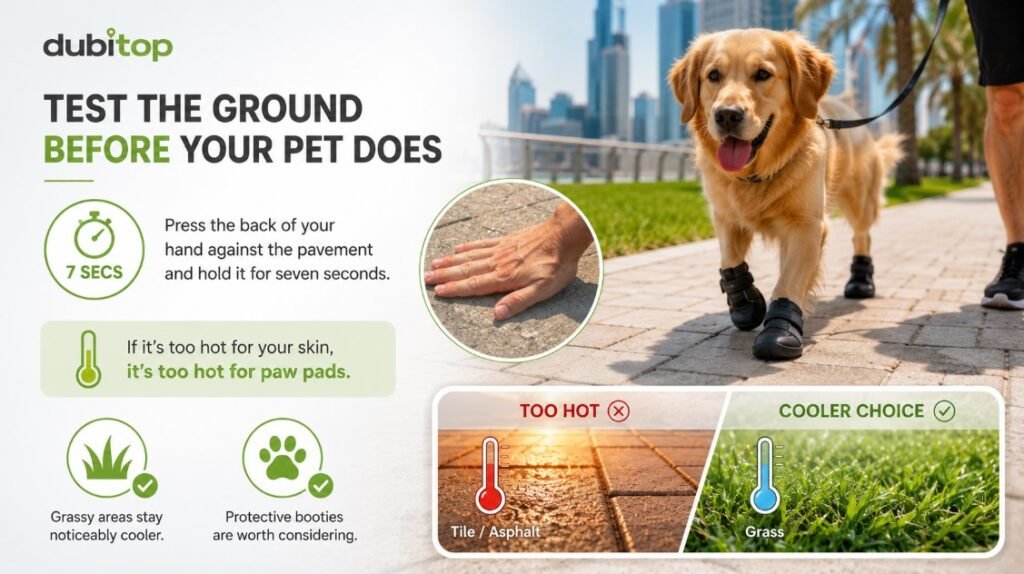
A simple check: press the back of your hand against the pavement and hold it for seven seconds. If it’s too hot for your skin, it’s too hot for paw pads. Grassy areas stay noticeably cooler than tile or asphalt, and protective booties are worth considering for dogs that spend a lot of time outdoors.
4. Never Leave a Pet in a Parked Car
Not even for a two-minute errand. Car interiors climb dramatically within minutes, even with windows cracked or the car parked in shade, reaching temperatures that cause fatal heatstroke well before the outside air feels unbearable to a person walking past.
If a pet can’t come inside with you, the safer choice is leaving it at home with water and shade rather than risking even a short stop. This applies just as much to short school runs or quick grocery trips as it does to longer errands — the interior temperature climbs fast regardless of how long you plan to be gone.
5. Rethink How Water Is Offered, Not Just How Often
Fresh water needs to be available constantly, but bowls should be checked and properly refreshed several times a day rather than just topped up — dust and food particles build up fast and can put pets off drinking altogether.
Cats in particular tend to prefer moving water over a still bowl, so a pet fountain can make a real difference to how much they actually drink. Watch for early dehydration signs too: reduced appetite, low energy, or sunken eyes. If any of these last more than a day, it’s worth a vet visit rather than waiting it out.
6. Build a Genuinely Cool Retreat Indoors
Fans and cooling beds help at the margins, but air conditioning does the real work of keeping a pet’s environment safe during the hottest stretch of the day — a fan alone just moves hot air around rather than actually lowering it. Closing curtains to block direct sun through windows and keeping a shaded, quiet corner available both make a noticeable difference too, especially for pets left home alone for long stretches.
A damp towel, a cooling mat, or an elevated bed that lets air circulate underneath are all worth adding to a pet’s regular spot. For animals that spend any time in a garden or on a balcony, a portable evaporative cooler is a reasonably cheap way to bring the immediate air temperature down without running full AC outdoors.
Small additions like these don’t replace a properly cooled indoor space, but they add up meaningfully over a long, hot afternoon, particularly for pets that can’t be brought inside all day.
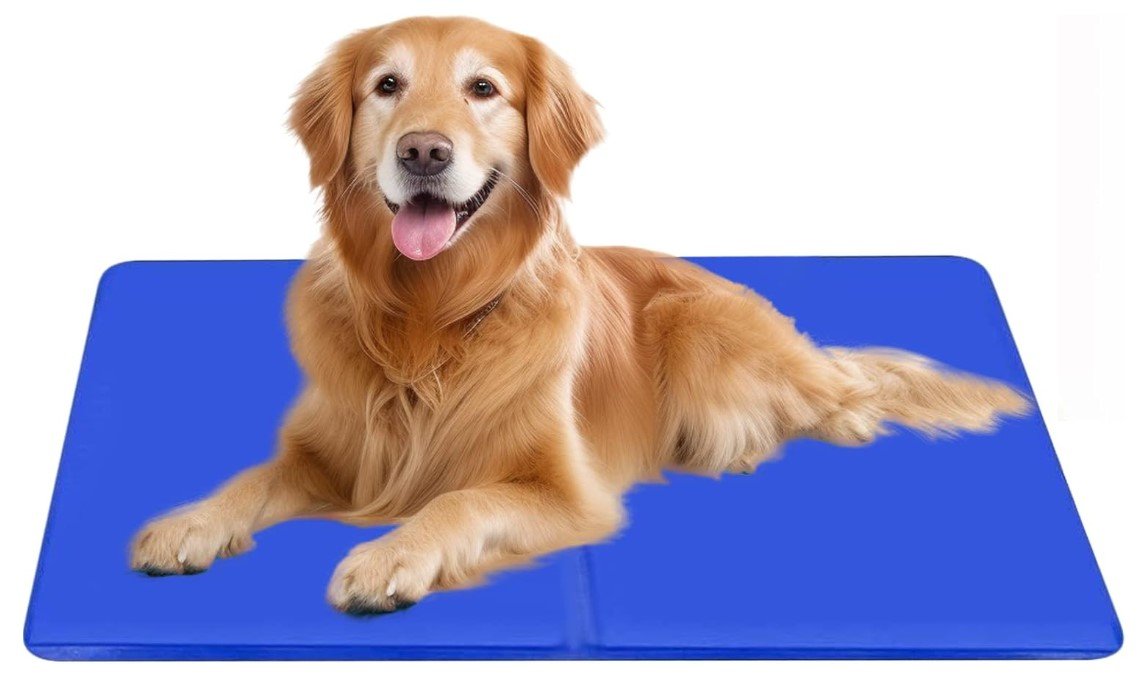
Keep your pet safe from summer heat and dehydration. Activated by self-cooling gel, this mat drops 4-8 C below room temperature to give your pet instant, cooling comfort on hot days.
7. Don’t Forget Sunburn Is a Real Risk
Pets with light or thin coats, pink skin, or areas of exposed skin — ear tips, the bridge of the nose, the belly — can genuinely sunburn, and repeated sun damage raises the risk of skin cancer over time. Pet-safe sunscreen exists for exactly this reason; human sunscreen isn’t a substitute and can be harmful if licked off.
Dogs recovering from a shave, or breeds with naturally short or pale coats, tend to need this kind of protection the most.
8. Resist the Urge to Shave the Coat Down
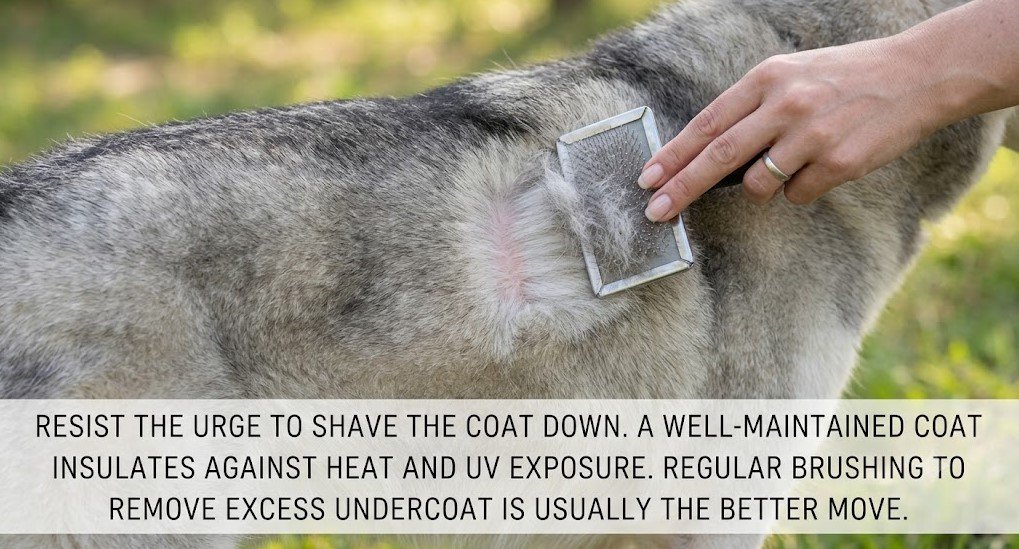
It feels counterintuitive, but a well-maintained coat insulates most pets against both heat and UV exposure rather than trapping warmth against the skin. A full shave can actually leave a pet more exposed to sunburn, not less. Regular brushing to remove excess undercoat is usually the better move — check with a vet or groomer before deciding either way.
9. Stay Ahead of Fleas, Ticks and Mosquitoes
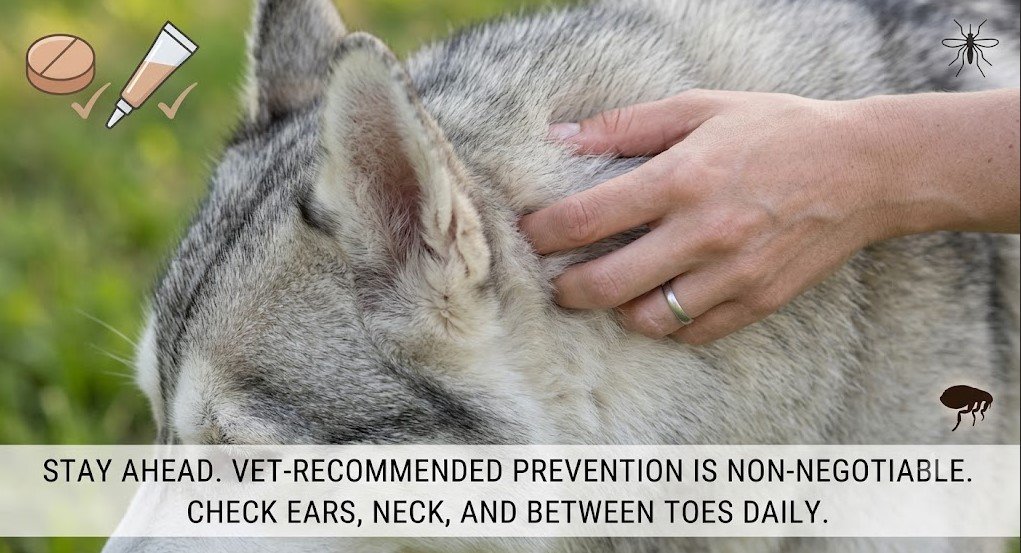
Parasite activity rises sharply once the weather warms up. After any time outdoors, check ears, neck, and between the toes for ticks — they’re small, easy to miss, and tend to settle in exactly those spots first.
Vet-recommended flea and tick prevention is worth treating as a non-negotiable during summer rather than an optional extra, whether that’s a topical treatment, an oral medication, or a collar. Washing bedding regularly in hot water and vacuuming living areas often are simple habits that keep an infestation from taking hold in the first place, well before it becomes a visible problem.
10. Keep Treats as a Small Part of the Diet, Not a Filler
It’s tempting to reach for extra biscuits or a spoonful of peanut butter when a pet is stuck indoors more than usual, but overdoing it adds up. Treats should generally make up no more than 10 percent of a dog’s daily calories, with the rest coming from a complete, balanced diet.
The extra weight isn’t just a cosmetic issue — it makes it measurably harder for a pet to regulate body temperature when it counts, on top of the usual strain on joints. It’s worth thinking of summer treats the same way you would year-round, rather than loosening the rules just because a pet is spending more time cooped up.
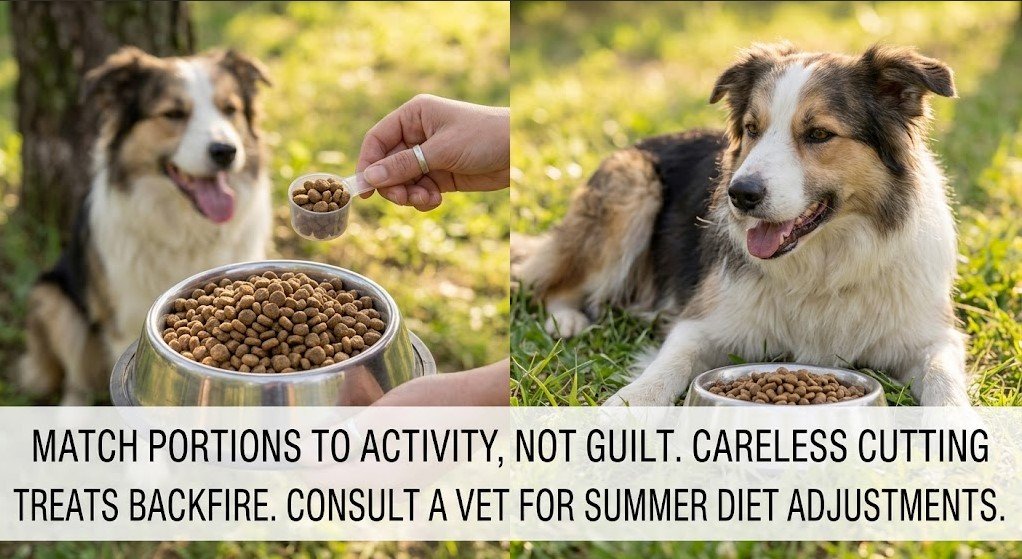
11. Match Portions to Activity, Not Guilt
Many pets naturally slow down when it’s this hot, and that’s normal. But cutting portions carelessly, or overcompensating with extra treats to make up for a shorter walk, tends to backfire the same way — either under-fuelling a pet or adding weight that makes the heat harder to cope with. Adjustments to diet during summer are worth a quick chat with a vet rather than guesswork.
12. Call the Vet When Something Feels Off
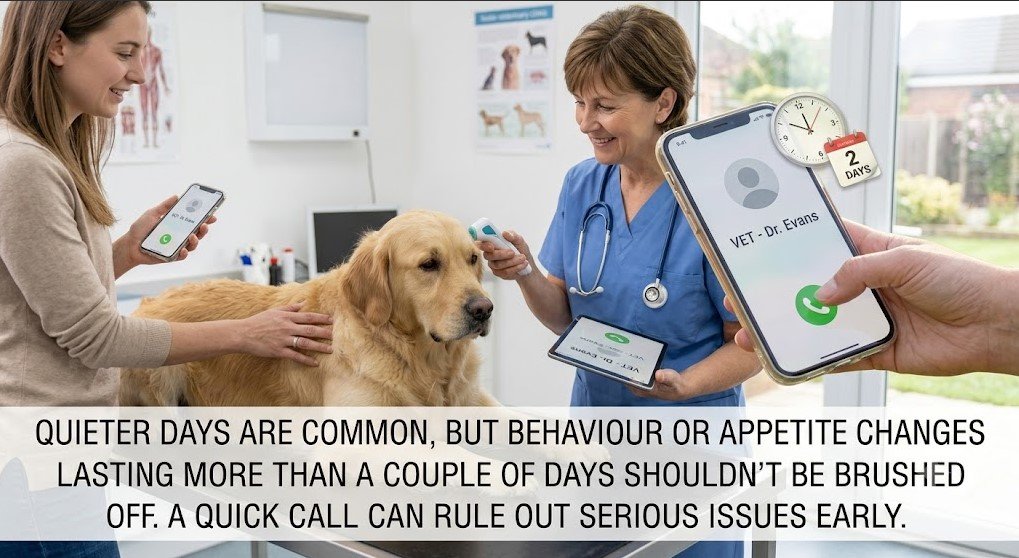
A quieter day, a smaller appetite, or slightly lower energy are common and usually harmless adjustments to the heat. But changes in behaviour, appetite, or mobility that last more than a couple of days shouldn’t be brushed off as “just the weather.” A quick call can rule out anything serious early, when it’s easiest to treat.
The Bottom Line
None of this requires a complete overhaul of how a pet’s day runs — mostly it’s a handful of small, consistent habits: cooler walk times, better water hygiene, a genuinely shaded retreat, and paying attention when something seems slightly off rather than waiting for it to become obvious. Get those right and most pets get through the summer without any drama at all.
This article is for general guidance and isn’t a substitute for veterinary advice. If a pet shows signs of heatstroke, treat it as an emergency and contact a vet immediately.