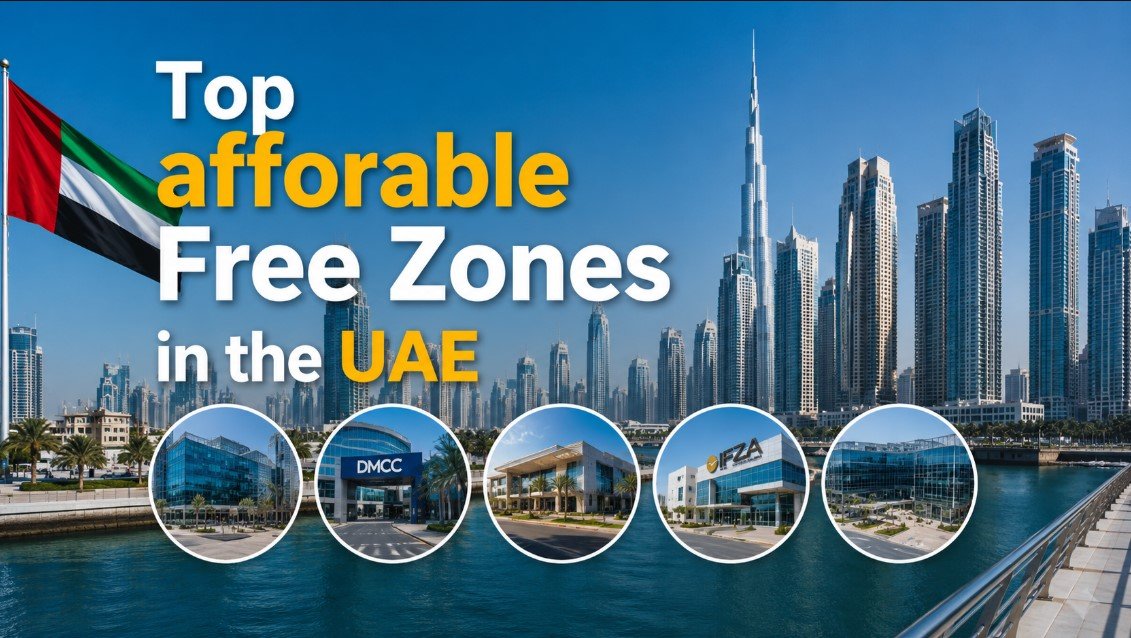
Setting up a business in the UAE doesn’t have to break the bank, but finding a truly low-cost free zone requires looking closely at the full financial picture.
The advertised “license-only” price is rarely what you actually pay to get up and running. A functional corporate setup requires factoring in essential variables: mandatory establishment cards, physical or virtual workspace allocations, and the multi-step residency visa process (which includes medical fitness tests, Emirates ID registration, and visa stamping). These mandatory requirements typically add AED 3,500 to AED 7,000 per visa on top of the base license.
To find the setups that actually save you money, you have to look beyond the initial registration discount and calculate the total, fully loaded cost of your first year. Here is how the UAE’s 12 most financially competitive free zones break down when you calculate the true cost of doing business.
Related : Freezone vs Mainland UAE – The Real Cost Breakdown
The Top 12, Ranked
All figures are the official zero-visa licence fee onlyfor the top low cost free zones in the UAE, before office space, visas, or registration add-ons — and several free zones quote different numbers depending on which package tier or promotional period you land on, so treat these as a reliable planning range rather than a quote.
| Free Zone | Location | Base License (Approx.) | Best For |
|---|---|---|---|
| Ajman Free Zone | Ajman | AED 4,888 – 6,000 | Absolute lowest entry cost in the UAE |
| UAQ FTZ | Umm Al Quwain | AED 5,000 – 5,750 | General trading & services on a tight budget |
| SPC Free Zone | Sharjah | AED 4,999 – 5,750 | Startups, e-commerce, and dual-licensing |
| SHAMS | Sharjah | AED 5,750 | Freelancers, media, and fully remote setups |
| RAKEZ | Ras Al Khaimah | AED 6,000 | Scaling into physical trade and warehousing |
| KEZAD | Abu Dhabi | AED 9,450 – 15,000 | Large-scale logistics and heavy manufacturing |
| SAIF Zone | Sharjah | AED 10,200 – 10,800 | Light manufacturing and re-exporting |
| Dubai Silicon Oasis | Dubai | AED 12,000 – 13,000 | Accessing a true Dubai tech ecosystem |
| Meydan Free Zone | Dubai | AED 12,500 | Cheapest genuine Dubai corporate address |
| IFZA | Dubai | AED 12,900 | Broadest activity list for a budget Dubai zone |
| ADGM Tech Startup | Abu Dhabi | USD 1,000 (Seed) | Common-law prestige for early-stage tech |
| DIFC Innovation | Dubai | USD 1,500 | Top-tier fintech ecosystem at a fraction of list price |
1. Ajman Free Zone / Ajman Media City
Location: Ajman
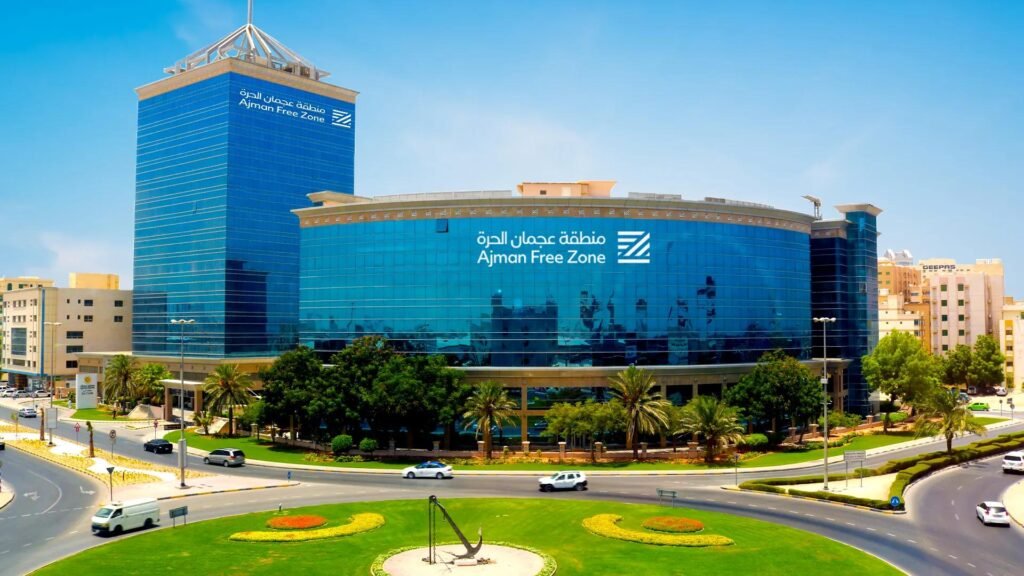
Correcting the record up front: this, not RAKEZ, is the cheapest entry point into the UAE. Ajman actually runs three separate free zone authorities under one umbrella, the Free Zones Authority of Ajman, formed in 2021: the original Ajman Free Zone (AFZA, established 1988), Ajman Media City (launched 2018 for creative and media businesses), and the newest entrant, Ajman NuVentures Centre, which launched in October 2024 and reportedly attracted more than 6,500 companies in its first year. Zero-visa packages across the three run from roughly AED 4,888 to AED 6,000, making this the most aggressively priced corner of the entire country.
The trade-off is the one every Northern Emirates zone shares: a licence here carries less weight with some banks and enterprise clients than a Dubai address, and account opening can take longer. For a solo consultant, freelancer, or holding company invoicing overseas clients, that rarely matters. For a business chasing Dubai mainland contracts, it might.
2. UAQ FTZ (Umm Al Quwain Free Trade Zone)
Location: Umm Al Quwain
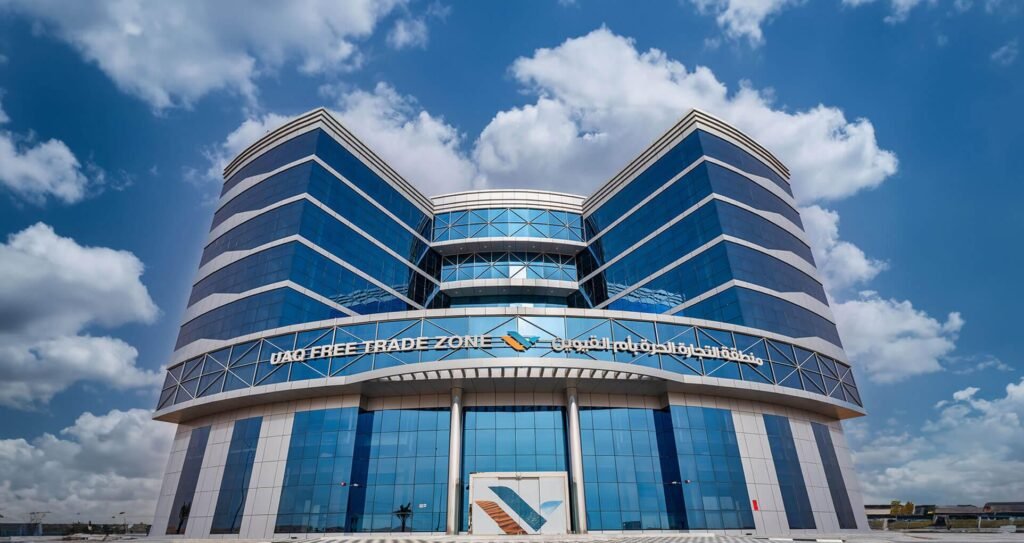
UAQ FTZ is the quietest of the bargain zones, largely because Umm Al Quwain doesn’t have the marketing budget of its neighbours. Zero-visa licences run from around AED 5,000, registration is fully digital, and the zone covers a wide range of general trading, consulting, and e-commerce activities without requiring paid-up share capital. It’s a sensible pick for anyone who wants a legitimate, low-cost UAE entity purely for invoicing and doesn’t need a physical presence.
3. SPC Free Zone (Sharjah Publishing City)
Location: Sharjah
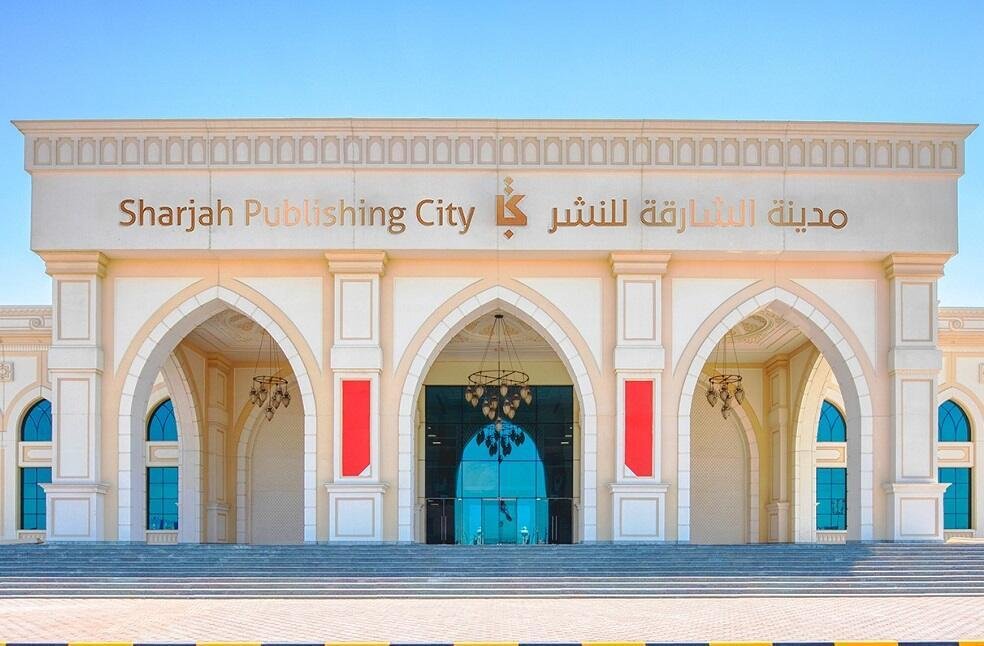
Despite the name, SPC stopped being just a publishing zone years ago — it now licenses well over a thousand activities spanning e-commerce, consulting, marketing, and general trading. Licences start around AED 4,999 to AED 5,750 for zero visas, climbing to roughly AED 13,000 to AED 22,000 once one to three residence visas are added. Its standout feature is the dual-licence option: SPC can issue a combined free zone and Sharjah mainland licence under one roof, useful for anyone who eventually wants to sell directly to UAE mainland clients without restructuring.
4. SHAMS (Sharjah Media City)
Location: Sharjah
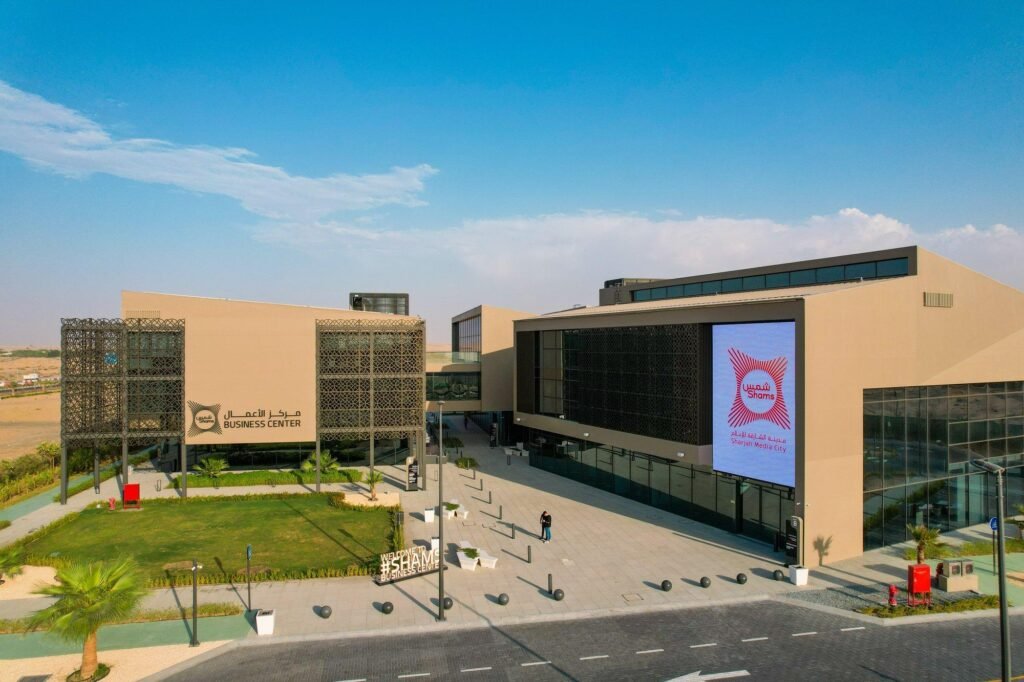
SHAMS earned its reputation as one of the most-recommended budget zones because the entire process is built for remote setup — no physical office is required for most licence types, and it offers a dedicated freelancer permit alongside standard company packages. Pricing starts at AED 5,750 for a zero-visa licence. It suits media professionals, consultants, and content businesses well, which is also why it shows up constantly in “cheapest free zone” round-ups; the popularity is earned rather than purely promotional.
5. RAKEZ (Ras Al Khaimah Economic Zone)
Location: Ras Al Khaimah
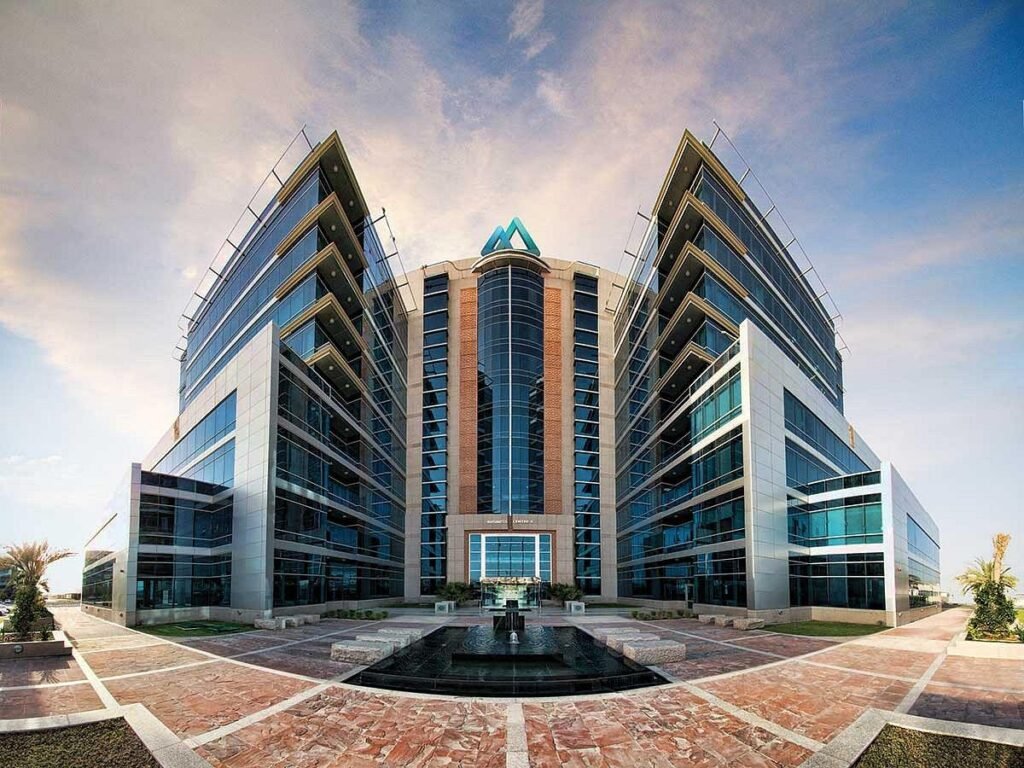
RAKEZ is not, despite what a lot of marketing copy claims, the single cheapest licence in the UAE — several zones above beat its roughly AED 6,000 zero-visa starting price. What RAKEZ actually offers is depth: it hosts more than 15,000 companies from upwards of 100 countries, and industrial land is available from around AED 10 per square foot, which matters enormously if your business plan involves a warehouse rather than a flexi-desk. Where it earns the “saves you money” framing isn’t the entry ticket, it’s the room to scale without relocating once a small trading licence turns into something that needs storage and staff.
6. SAIF Zone (Sharjah Airport International Free Zone)
Location: Sharjah
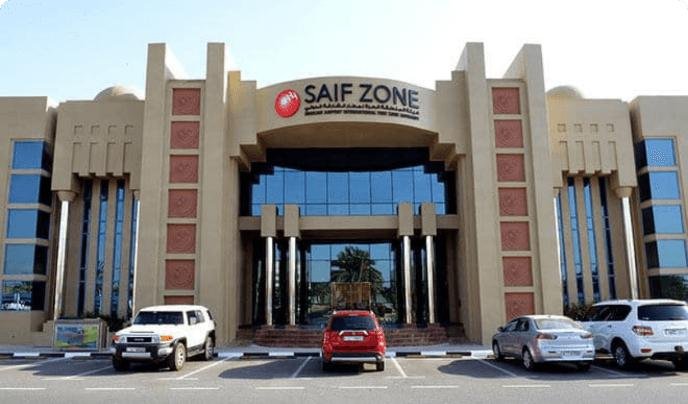
SAIF Zone is one of the genuinely historic entries on this list: established in 1995 next to Sharjah International Airport, it was the world’s first ISO 9001-certified free zone, and the first free zone located inside an airport anywhere in the UAE. It now hosts more than 8,000 companies from 165 countries and includes a dedicated Gold, Diamond and Commodities Park that ranks among the larger gold-refining hubs in the Gulf. Standard licences with a flexi-desk and room for up to three visas run from roughly AED 10,200 to AED 10,800 — noticeably more than SHAMS or SPC, but still 30 to 40 percent below comparable Dubai packages, and with stronger industrial and warehousing infrastructure behind it.
7. Meydan Free Zone
Location: Dubai
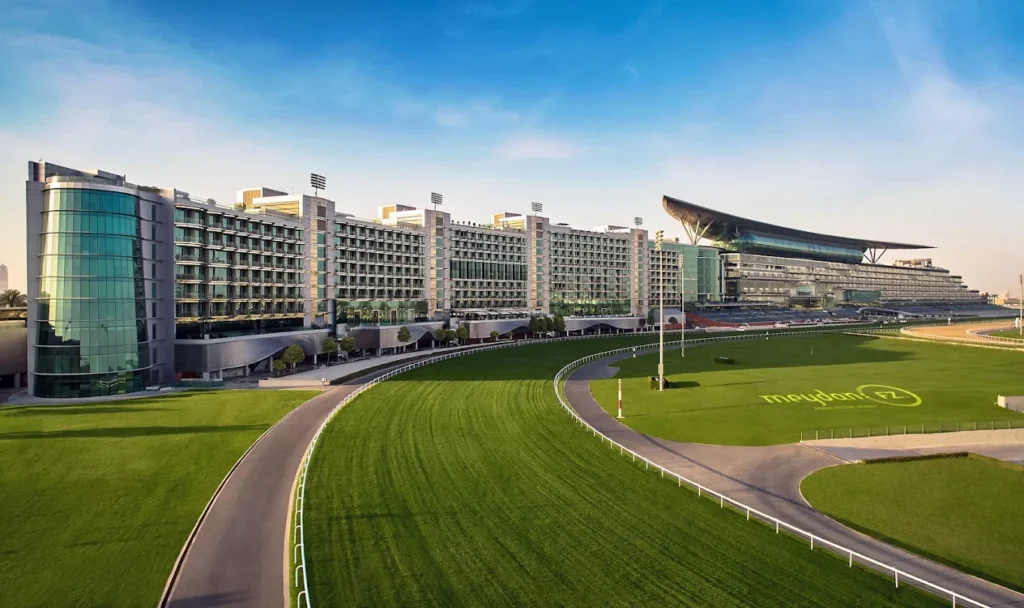
If a Dubai-issued licence specifically matters to your business — for credibility with clients, or simply because “Dubai” opens doors that “Ajman” doesn’t — Meydan is the cheapest legitimate way to get one, starting around AED 12,500 for a zero-visa package. It includes a virtual office as standard and scales up to six visas under some packages, which is generous compared with most budget zones. The digital-first registration process typically issues a licence within three to five working days.
8. IFZA (International Free Zone Authority)
Location: Dubai
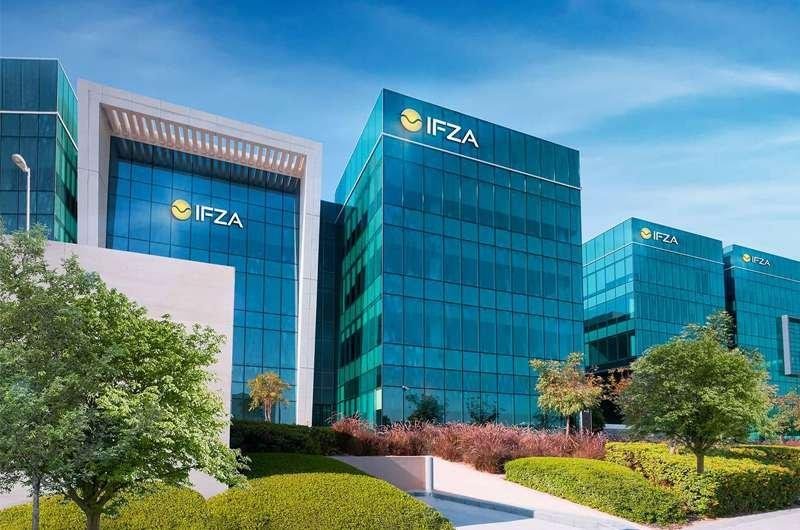
IFZA is the most popular budget free zone in Dubai by company count, and its history is worth knowing: it was originally founded in Fujairah in 2018, relocated to Dubai Silicon Oasis in 2020, and now hosts roughly 5,000 companies. Zero-visa licences start at AED 12,900, broadly tied with Meydan as Dubai’s cheapest option, and it supports one of the widest activity lists of any zone on this list, over 1,500 permitted activities. The one structural quirk worth knowing: IFZA operates exclusively through accredited “Professional Partner” agents rather than direct registration, so you’ll always be setting up through a third party rather than IFZA itself.
9. Dubai Silicon Oasis (DSO)
Location: Dubai
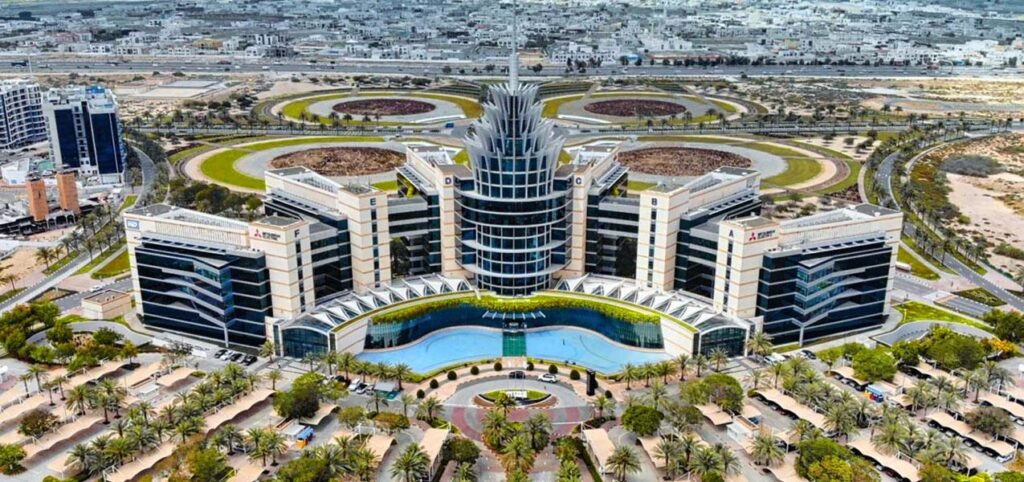
DSO sits in the same rough price band as Meydan and IFZA, around AED 12,000 to AED 13,000 for an entry-level licence, but its pitch is different: a genuine technology-park ecosystem under the Dubai Integrated Economic Zones Authority, with Dtec, its dedicated tech co-working hub, as the on-ramp for early-stage founders. For software, IT services, and hardware-adjacent businesses, it offers a more focused community than a generalist budget zone, at a similar price point.
10. ADGM Tech Startup Licence
Location: Abu Dhabi
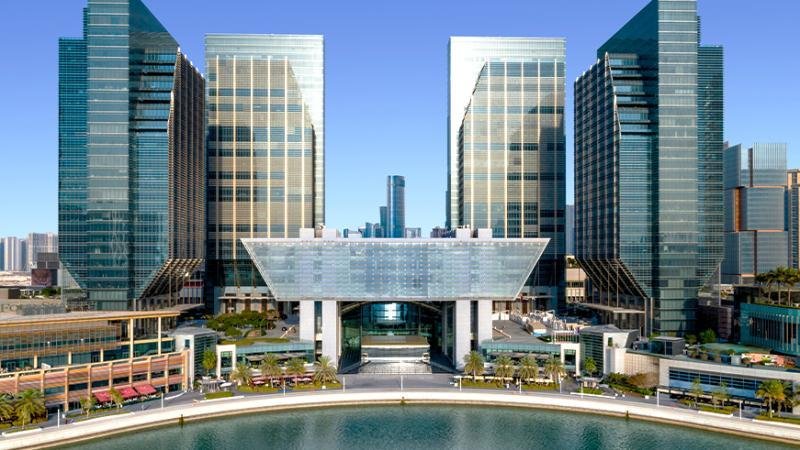
This is the first of two genuine surprises on this list. The Abu Dhabi Global Market is normally priced for banks, asset managers, and fintechs, with standard commercial licences running USD 5,500 or more. But its Tech Startup Licence specifically subsidises early-stage technology companies: USD 1,000 a year at “seed stage,” renewable once, before stepping up to roughly USD 4,000 a year at “emergent stage” for up to three to five years of discounted operation, depending on which year you read ADGM’s own materials. It’s a full commercial licence, not a sandbox, so you can invoice clients without restriction. The catch is real: it requires a Hub71 approval letter, a dedicated desk or office on Al Maryah Island (hot-desking doesn’t qualify), and it’s restricted to genuinely tech-driven business models rather than general trading.
11. DIFC Innovation Licence
Location: Dubai
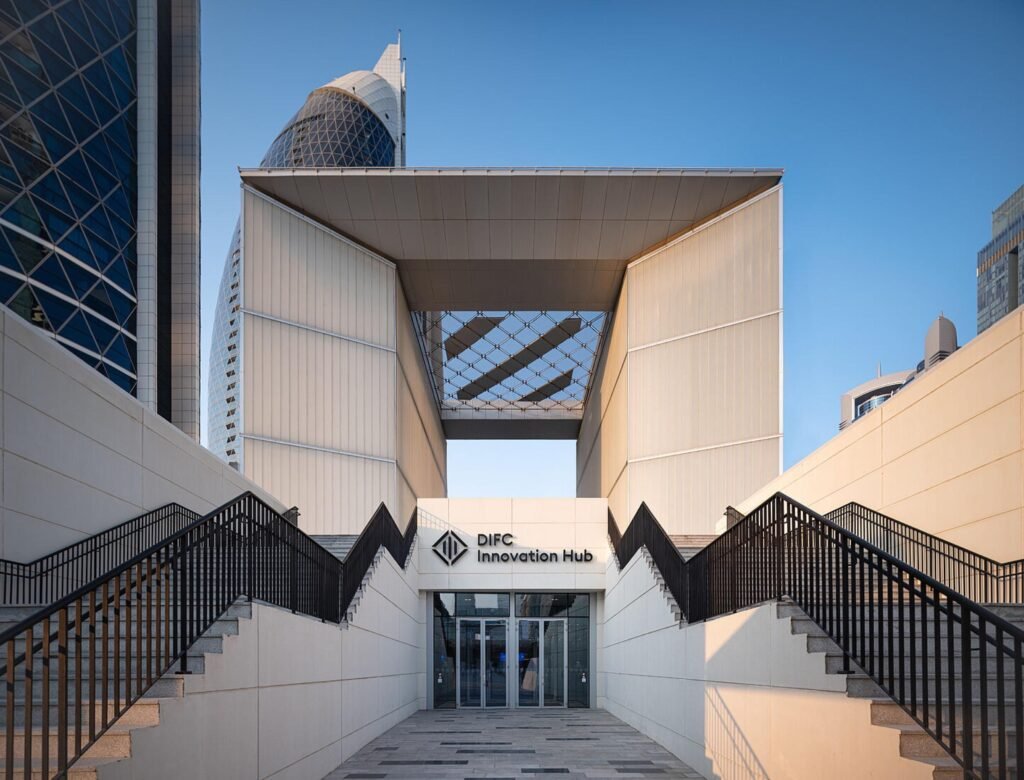
The bigger surprise. The Dubai International Financial Centre is the most prestigious, and normally one of the most expensive, free zones in the country — full commercial licences there can run USD 12,000 a year and up. Its Innovation Licence, aimed at fintech, AI, Web3, and other tech-driven startups, drops that to USD 1,500 a year, a subsidy DIFC describes as roughly 90 percent off the standard rate.
Sources differ on exactly how many years the discount lasts — some DIFC-linked materials say two years, others cite four to seven years following recent extensions — so confirm the current term directly with DIFC before counting on it long-term.
You’ll also need a minimum co-working desk in the Innovation Hub, roughly USD 250 to 500 a month, and the licence excludes payment services, crypto trading, and financial advice, since those fall under DIFC’s regulated activities instead. For a tech startup that genuinely wants the DIFC ecosystem and investor network, it’s an unusually good deal; for a general trading business, it’s the wrong door entirely.
12. KEZAD (formerly KIZAD)
Location: Abu Dhabi
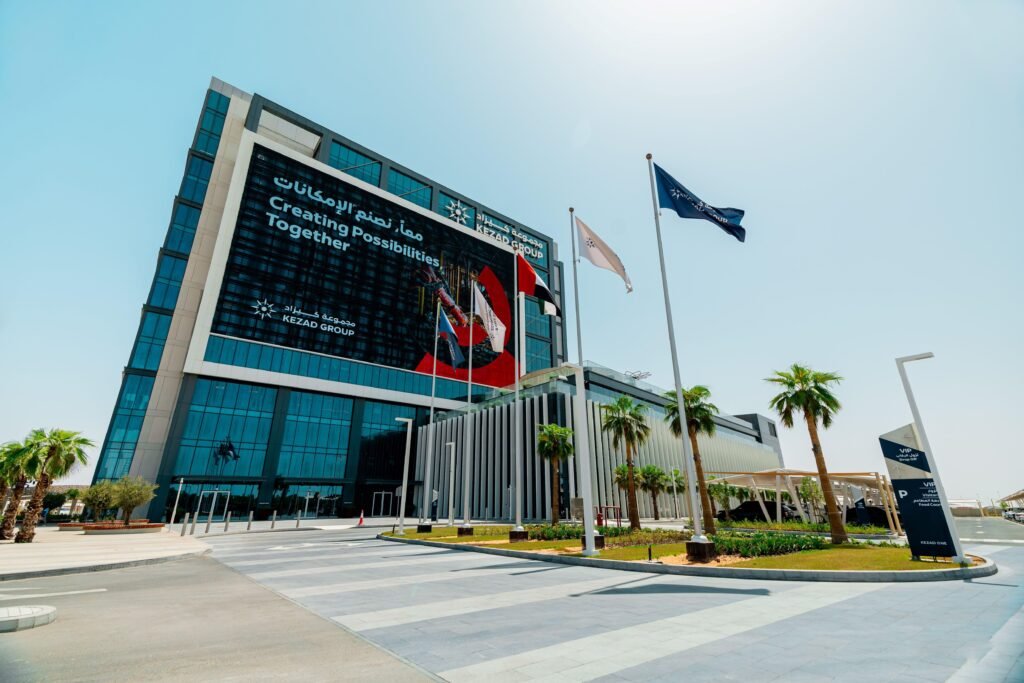
Khalifa Industrial Zone Abu Dhabi was rebranded KEZAD, Khalifa Economic Zones Abu Dhabi, in 2022, so treat “KIZAD” as the old name still in wide informal use. It is Abu Dhabi’s flagship industrial and logistics zone, spanning roughly 410 square kilometres, managed by AD Ports Group, and directly connected to Khalifa Port with more than 1,000 port-to-port shipping connections worldwide.
Pricing varies sharply by tier: official incubator-style packages with a bundled flexi-desk start from around AED 9,450, while standard trade and industrial licences for established manufacturing or logistics operations run closer to AED 14,000 to 15,000 and up. It’s not the cheapest entry point on this list, but for aluminium, steel, food processing, polymers, or pharmaceuticals at real scale, nothing else here matches its infrastructure.
Honourable Mentions Worth a Look
A handful of zones didn’t make the ranked twelve but came close enough to mention, depending on what you need:
- SRTIP (Sharjah Research, Technology and Innovation Park) — licences from around AED 5,500, government-backed, dual-licence eligible, built specifically for R&D and applied-technology businesses near University City.
- Fujairah Creative City — from around AED 4,900 to 7,500, no mandatory physical office, popular with consultants and creative businesses.
- Dubai South — a “pay-as-you-grow” Dubai zone from roughly AED 11,000 to 12,000, positioned near Al Maktoum International Airport and Jebel Ali Port, useful for logistics and aviation-adjacent businesses.
- Masdar City Free Zone — Abu Dhabi’s sustainability-focused zone, from around AED 7,000, a genuinely cheaper Abu Dhabi alternative to ADGM for non-financial businesses.
- Hamriyah Free Zone (HFZA) — Sharjah’s other major industrial zone, packages from around AED 11,000, a direct alternative to SAIF or RAKEZ for manufacturing.
What “0% Tax” Actually Means Here
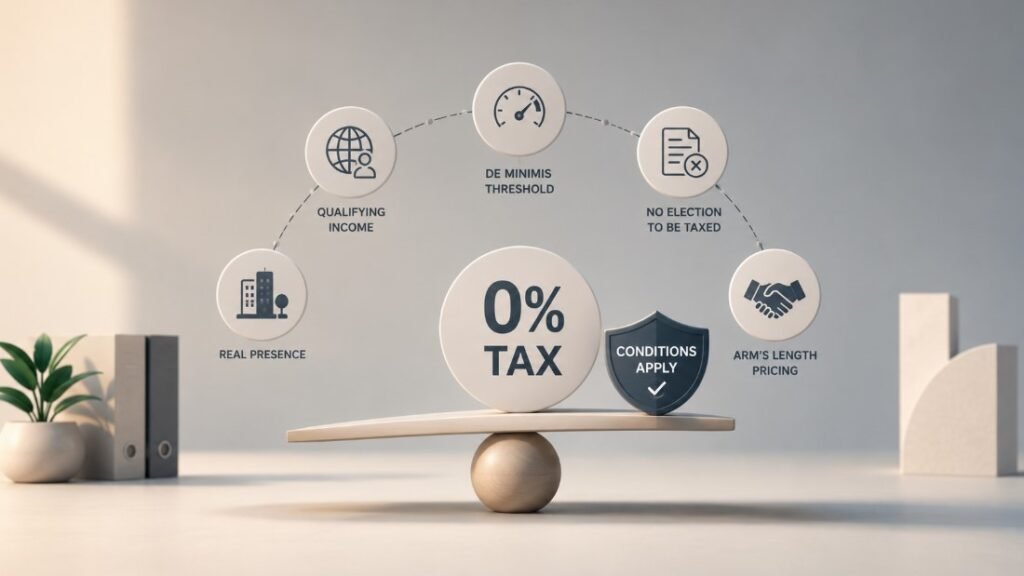
Almost every free zone landing page promises 0% corporate tax, and almost none of them explain the conditions attached. Since 2023, every company registered in a UAE free zone, regardless of price, is a taxable person under Federal Decree-Law No. 47 of 2022 and must register with the Federal Tax Authority. The 0% rate only applies to businesses that qualify as a Qualifying Free Zone Person, or QFZP, which requires meeting five conditions simultaneously:
- Maintaining adequate economic substance inside the free zone — real staff, assets, and operating expenditure, not just a registered address.
- Earning “qualifying income,” which is largely income from other free zone entities or from clients outside the UAE; revenue from UAE mainland clients generally does not qualify.
- Staying under the de minimis threshold for non-qualifying income — the lower of 5 percent of total revenue or AED 5 million.
- Not electing to be taxed under the standard regime.
- Pricing any related-party transactions at arm’s length.
Miss any one of these and the business loses QFZP status entirely, for the current tax year and the following four years, with 9 percent tax applying to all income, not just the non-qualifying portion. Separately, the UAE’s Small Business Relief lets companies with total revenue at or below AED 3 million elect to be treated as having zero taxable income, but this must be actively claimed through EmaraTax each period — it is not automatic, and it currently applies only to tax periods ending on or before 31 December 2026.
A mainland company, for context, also pays 0 percent on its first AED 375,000 of taxable income regardless of free zone status, which is worth knowing before assuming a free zone licence is automatically the cheaper tax position.
How to Actually Compare Them
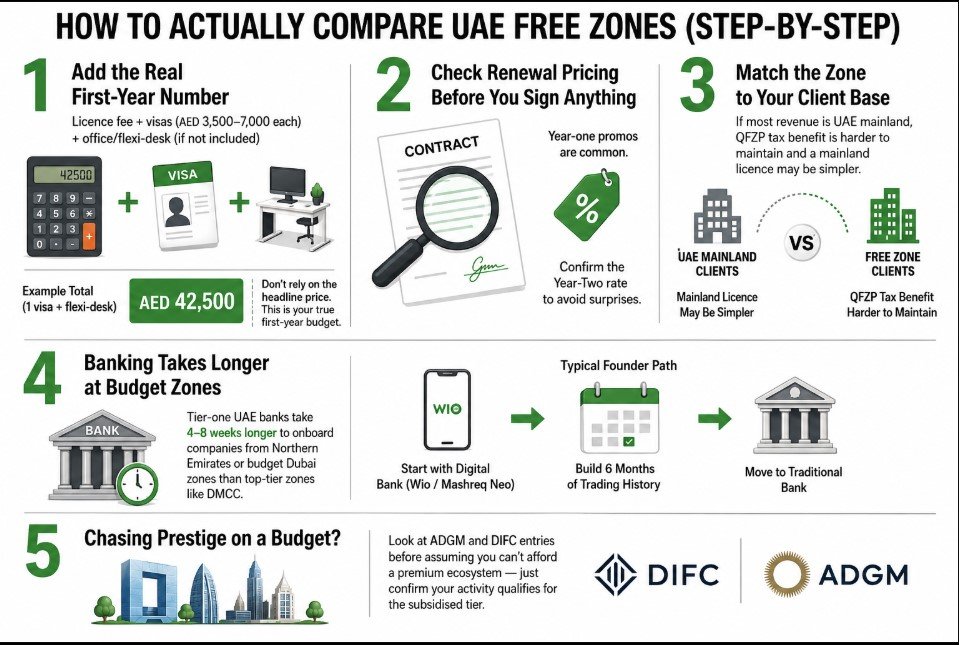
- Add the real first-year number, not the headline one: licence fee, plus AED 3,500–7,000 per visa you actually need, plus a flexi-desk or office if your package doesn’t already include one.
- Check renewal pricing before you sign anything. Year-one promotional pricing is common; some zones renew at a similar rate, others quietly drop the new-incorporation discount in year two.
- Match the zone to your client base. If most of your revenue comes from UAE mainland companies, a free zone’s QFZP tax benefit is harder to maintain, and a mainland licence may end up simpler overall.
- Banking takes longer at budget zones. Tier-one UAE banks routinely take four to eight weeks longer to onboard a company from a Northern Emirates or budget Dubai zone than one from an established name like DMCC. Several founders start with a digital bank such as Wio or Mashreq Neo and migrate to a traditional bank after six months of trading history.
- If you’re chasing prestige on a budget, look at the ADGM and DIFC entries above before assuming you can’t afford a premium ecosystem — just confirm your activity actually qualifies for the subsidised tier.
Frequently Asked Questions
Which free zone in the UAE is actually the cheapest?
On pure headline price, the Ajman-based zones and Umm Al Quwain FTZ are the cheapest in the country, with zero-visa licences from roughly AED 4,888 to 5,750. RAKEZ, often cited as the cheapest, is a strong value option but not the single lowest price on the market.
Is the cheapest free zone always the best choice?
No. A lower licence fee can come with slower bank account opening, less recognition with enterprise clients, and a narrower activity list. For a freelancer invoicing overseas clients, that rarely matters. For a business chasing UAE mainland enterprise contracts or fast banking, it often does.
Do free zone companies automatically get 0% tax?
No. Every free zone company is a taxable person by default and must register with the Federal Tax Authority. The 0% rate only applies to qualifying income for businesses that meet all five Qualifying Free Zone Person conditions, and that status must be actively maintained every tax period.
Can I really get into DIFC or ADGM cheaply?
Yes, but only through their dedicated startup tracks — the DIFC Innovation Licence and the ADGM Tech Startup Licence — and only for genuinely tech-driven business activities. General trading, retail, or financial services don’t qualify for either discounted tier.
How much does adding a visa really cost?
Budget roughly AED 3,500 to AED 7,000 per residence visa, covering the entry permit, medical test, Emirates ID, and visa stamping, on top of whatever the zone’s visa-inclusive package already adds to the base licence fee.
Final Thought
The honest version of this list is less dramatic than most of the marketing copy floating around: there isn’t one single cheapest free zone, there’s a cheapest zone for your specific situation.
If you’re a solo freelancer who never needs a UAE bank’s full trust, Ajman or UAQ will save you the most money outright. If your business needs to look credible to mainland Dubai clients, Meydan or IFZA earn their higher price. And if you’re building something genuinely tech-driven, the fact that DIFC and ADGM both quietly offer their ecosystems at a steep discount is, frankly, the most underused fact in this entire space.