Dubai changes coming in September 2026: discover the latest updates affecting schools, rents, transport, payments, business and everyday life in the UAE.
September is one of the busiest months for changes in Dubai, and 2026 is no exception. The heat starts to ease, schools reopen, and a cluster of regulatory and infrastructure changes land within the same few weeks. Some will affect almost every resident — others are specific to business owners, tenants or families with children. Here is what is confirmed for the month.
September at a glance
- September 1: Schools reopen for the 2026–27 academic year (most Dubai private schools)
- September 15: Dubai Mallathon endsSeptember 30: Etihad Rail Dubai station (Al Yalayis, Jumeirah Golf Estates) opens
- September 30: UAE corporate tax returns due for companies with December 31, 2025 year-endOngoing through
- DLD Flexi Rent scheme expanding to more buildings
- Ongoing: UAE e-invoicing — large businesses must have their Accredited Service Provider in implementation phase
1. Etihad Rail Opens Dubai’s First Station — September 30
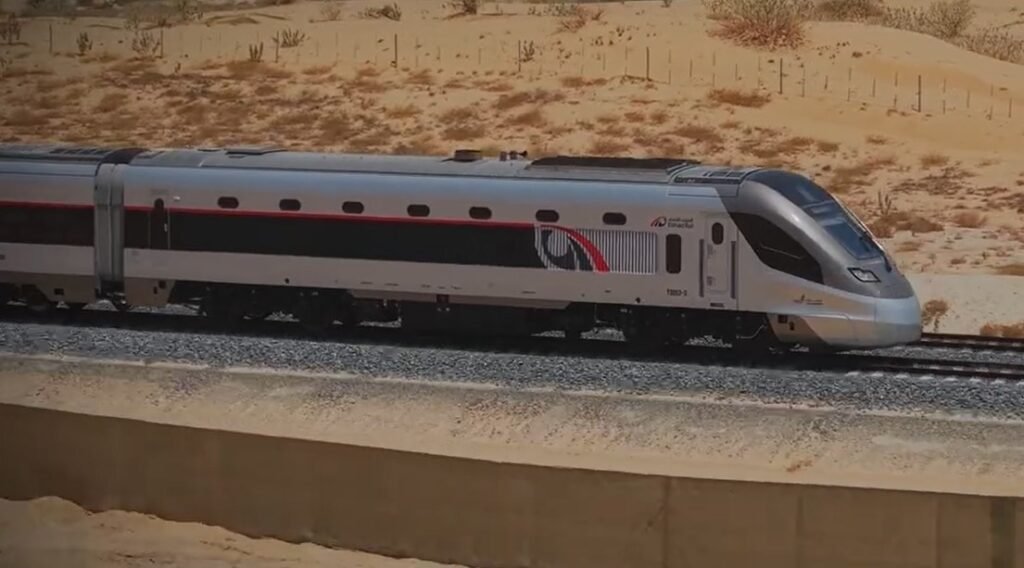
September 30 is the date most Dubai residents have been waiting for since the Abu Dhabi-Fujairah route launched on June 30. Dubai’s first Etihad Rail station opens on the same day, officially named Dubai Al Yalayis Station, located inside Jumeirah Golf Estates along Sheikh Mohammed Bin Zayed Road.
What makes this station different from any other rail stop in the UAE is the transport layering. A footbridge is already under construction directly connecting the Etihad Rail station to the existing Dubai Metro Red Line station at Jumeirah Golf Estates — four minutes apart on foot. The future Gold Line metro, due around 2032, is also planned to terminate here. Three confirmed transport systems converging on one site.
From September 30, passengers will be able to travel by Dubai Metro, transfer to Etihad Rail, and reach Abu Dhabi or Fujairah in a single connected journey. Existing nol cards are accepted for the Metro leg of the trip. Etihad Rail tickets for the Dubai route will be bookable through the Etihad Rail app and website — no separate ticketing system.
Al Dhaid station in Sharjah also opens on the same date, making September 30 the most significant expansion of the Etihad Rail passenger network since launch.
2. Schools Reopen With Frozen Fees and a New Inspection Model
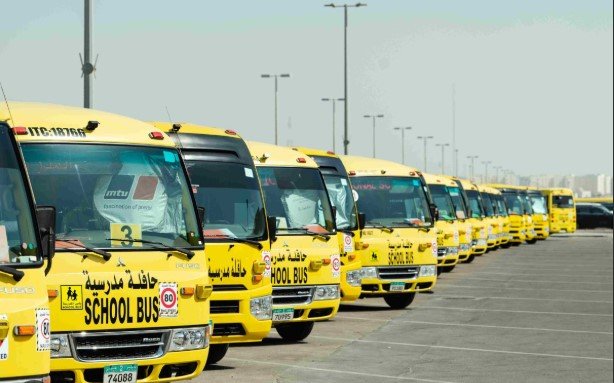
Most Dubai private schools return to class in the first week of September for the 2026-27 academic year. Parents heading back this term get some genuinely good news: KHDA confirmed in May that private school fees will not increase for the 2026-27 year, under directives from Sheikh Hamdan bin Mohammed bin Rashid Al Maktoum and as part of Dubai’s AED 2.5 billion economic incentives package. Schools that would normally have been eligible to raise fees by up to 2.35 percent under the Education Cost Index are frozen at last year’s rates.
The school inspection model is also changing this year. KHDA is introducing a two-tier system: a full inspection for some schools, and a shorter monitoring visit focused on specific areas identified from performance data for others. Inspectors will give no more than 24 hours’ notice before arriving — the stated aim is to assess everyday teaching rather than a prepared show. Schools in their third year of operation automatically receive a full inspection. Parents will see results published in the usual KHDA format.
3. New School Admission Age Cut-Off Rules Take Effect

A rule change that catches some families off guard this September: the UAE has updated its age cut-off date for kindergarten and school admissions. For schools whose academic year starts in September, children must reach the required age by December 31 of that school year — not by the start of term.
This matters for families whose children have birthdays in the October to December window. A child turning four in November can now start KG1 in September under the new rule, where previously they may have had to wait an extra year. The change applies across all schools on the August-September academic calendar and is designed to align the UAE with international admission standards.
A one-time exception period applies during 2026-27 for families whose plans were made under the old rules. If your child is in the affected age window — roughly two to six years old — check directly with your school about how the transition applies to their specific intake.
4. DLD Flexi Rent Scheme Rolls Out Further

The Dubai Land Department launched the Flexi Rent scheme on June 30, and September is the period when it is expected to expand meaningfully beyond its initial 12 participating real estate companies. The scheme allows tenants to pay rent in monthly, quarterly or semi-annual instalments rather than the traditional one, two or four-cheque system that has defined Dubai renting for decades.
The total rent amount does not change — a tenant paying AED 80,000 per year still pays AED 80,000 — but the payment can now be split into monthly amounts of approximately AED 6,667 rather than requiring a large upfront cheque. Payments are accepted by credit card, debit card and bank transfer in addition to cheques. Participating developers can also offer grace periods, redesigned payment schedules and, in some cases, waive rent increases for the current year.
The initial twelve companies include Deyaar, Wasl, Dubai Investment Real Estate and Driven Properties. The DLD has indicated that more companies will be added to the scheme. For tenants in properties managed by non-participating companies, the traditional payment system still applies for now.
Dubai Land Department: dubailand.gov.ae
5. Corporate Tax Returns Due September 30 for FY2025 Companies
This is the one that catches business owners off guard if they haven’t been tracking it. UAE corporate tax came into effect in June 2023, and the filing clock is tied to each company’s financial year-end. For businesses whose financial year ended on December 31, 2025 — the most common year-end for UAE companies — the corporate tax return must be filed with the Federal Tax Authority by September 30, 2026. That is nine months after the financial year-end, which is the standard UAE filing window.
This is the first full-year corporate tax return for many UAE businesses. The 9% rate applies to taxable income above AED 375,000. Free zone entities that qualify as Qualifying Free Zone Persons pay 0% on qualifying income, but they still need to file a return confirming their qualifying status — zero tax owed does not mean zero filing obligation.
If your company uses a December year-end and you have not already started preparing the return, the deadline is September 30. Late filing penalties apply from day one after the deadline under the Federal Tax Authority’s administrative penalty framework.
| September 30 is a hard deadline — no grace period has been announced. If your financial year ended December 31, 2025, your corporate tax return is due on this date regardless of whether tax is owed. Speak to a registered UAE tax agent if you have not already filed or begun the process. |
Federal Tax Authority — corporate tax portal: tax.gov.ae
6. UAE E-Invoicing: Large Businesses Must Be in Implementation

The UAE’s mandatory e-invoicing programme moved into its next phase on July 1, 2026, with the Taxpayer Working Group pilot launch. For businesses with annual revenue above AED 50 million, the deadline to appoint an Accredited Service Provider was July 31, 2026. September is the period those businesses should be in active implementation — configuring their systems, connecting to the Peppol network and preparing for the January 1, 2027 full go-live date.
E-invoicing replaces PDF invoices and paper records with structured digital invoices exchanged through accredited technology providers. The underlying standard is the Peppol five-corner model, widely used across Europe and Southeast Asia. Businesses that have not yet appointed an ASP or started their impact assessment are running behind the intended timeline.
Smaller businesses and government entities follow later in 2027. If your revenue is below AED 50 million, September is the right time to understand what’s coming rather than act urgently — but understanding the framework now avoids a more compressed scramble next year.
Ministry of Finance e-invoicing guidance: mof.gov.ae
7. Dubai Mallathon Ends September 15

The second edition of the Dubai Mallathon — an indoor running programme held across Dubai’s major malls during the summer months to keep active residents moving despite the heat — wraps up on September 15. Running from June 15 to September 15, the event allows participants to log routes through air-conditioned mall corridors during peak summer hours.
It’s a smaller note in a busy month, but for the communities of residents who’ve been using it as their primary outdoor exercise alternative since June, the closing date on September 15 coincides almost exactly with Dubai temperatures becoming manageable enough for outdoor running again. From mid-September through November, morning runs in parks and along the waterfront are back on the table.
Also Worth Knowing
Dubai’s Golden Visa property threshold changed earlier this year — completed properties now require a minimum purchase value of AED 2 million, up from AED 1 million. Off-plan buyers need to have paid at least 50% of the purchase price to qualify. If you acquired a property under the old threshold and are coming up for visa renewal, the new rules apply at renewal. This did not change in September specifically, but September is the month many families with the academic year-end structure revisit their residency arrangements, so it is worth flagging here.
The Shared Housing Law (Law No. 4 of 2026) is also now in effect, tightening rules around which properties can be used for shared accommodation. Landlords renting rooms within a unit to multiple individual tenants rather than to a single household need to ensure their arrangements comply with the new framework. The DLD has expanded its digital Ejari services this year and compliance monitoring is increasing.